

“We’re so glad you’re here.”
I’ve heard those words many times.
One Sunday, my family visited a church for the first time. As we walked in, the pastor’s son greeted us with genuine enthusiasm. He asked our names, welcomed us warmly, and made us feel as though we mattered. At the end of the service, he saw us again, smiled, and greeted us by name.
I remember thinking, “Wow. That was impressive.”
We felt seen.
We’ve now attended that church for about a year.
And I can honestly say that was the only time anything like that happened.
He’s generally quiet and reserved—which isn’t wrong. Not everyone is naturally outgoing. In fact, I suspect he had simply been taught the importance of welcoming newcomers. Many churches encourage their leaders and volunteers to remember visitors’ names and make them feel comfortable.
There is nothing wrong with that.
The problem is when the welcome never becomes a relationship.
The Difference Between Being Welcomed and Belonging
Churches often work very hard to create a welcoming first impression.
Greeters smile.
People shake your hand.
Someone tells you they’re glad you’re here.
Visitors receive a gift.
Announcements encourage newcomers to get connected.
All of these things are good.
But they’re only the beginning.
A handshake is not friendship.
Learning someone’s name is not knowing them.
Greeting someone at the door is not inviting them into your life.
Real belonging begins after the first Sunday.
“If You Need a Friend…”
I’ve heard people stand on stage and say things like:
“If you’re looking for a friend, come talk to me.”
Those are beautiful words.
But one day, since I serve on one of the ministry teams, I actually walked over and introduced myself.
Within moments, it was obvious that while the words had been sincere enough, there wasn’t really space for another friendship.
Again, I don’t believe the person was being dishonest.
Perhaps they were tired.
Perhaps they were introverted.
Perhaps they already had a full social life.
Perhaps they genuinely wished they had more time than they actually did.
But whatever the reason, the experience was the same.
The invitation sounded much larger than the reality.
Hospitality Is Easy. Community Is Expensive.
This has made me realize something.
Many churches have become excellent at hospitality.
Far fewer have become excellent at community.
Hospitality costs a few minutes.
Community costs your life.
Hospitality remembers a name.
Community remembers a story.
Hospitality smiles on Sunday.
Community calls on Tuesday.
Hospitality serves coffee.
Community shares a dinner table.
Hospitality says, “We’re glad you came.”
Community says, “There’s room for you in our lives.”
Those are very different things.
The New Testament Vision
When we read the New Testament, we don’t see believers simply attending the same meetings.
We see people sharing meals.
Opening their homes.
Carrying each other’s burdens.
Praying together.
Giving financially to those in need.
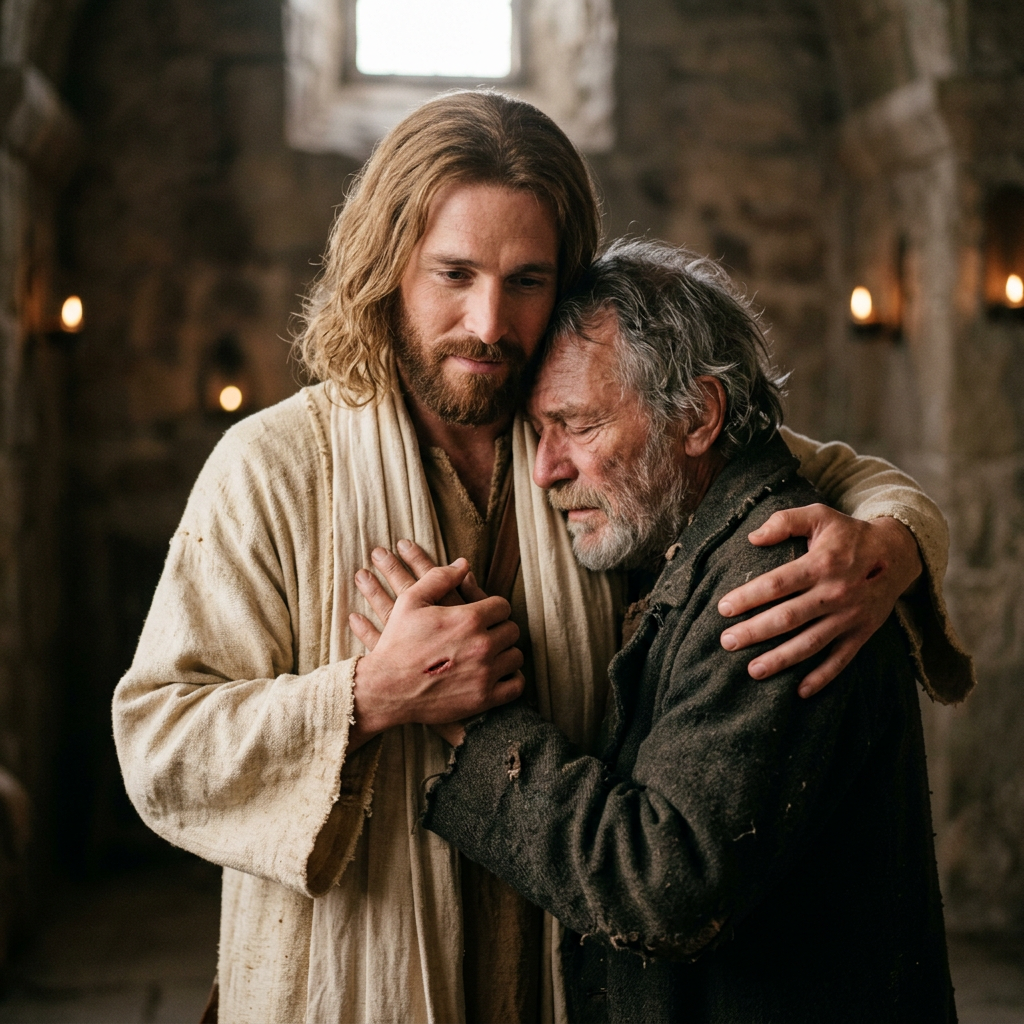
Treating one another as family.
The church wasn’t merely a gathering.
It was a people.
It wasn’t built on polished greetings but on sacrificial relationships.
Jesus said:
“By this everyone will know that you are my disciples, if you love one another.”
(John 13:35)
That kind of love can’t be manufactured in a greeting line.
It has to be lived.
Perhaps We’ve Settled for the Appearance of Community
I don’t think most churches are intentionally fake.
Most believers genuinely want to be loving people.
Life is busy.
Families are stretched.
Schedules are full.
Making new friendships requires time, emotional energy, and vulnerability—all things that seem increasingly scarce.
But perhaps that’s precisely why we need to rethink what biblical fellowship actually means.
We can become very good at looking welcoming without becoming genuinely accessible.
We can become experts at making visitors feel comfortable for an hour while never making room for them in our lives.
And if we’re honest, people notice the difference.
A Challenge for All of Us
This isn’t merely a challenge for church leaders.
It’s a challenge for every Christian—including me.
How many people have I warmly greeted without ever inviting them for coffee?
How many visitors have I smiled at but never followed up with?
How many lonely people have left church thinking everyone was kind but no one actually wanted to know them?
Perhaps genuine Christian hospitality begins where programmed hospitality ends.
Not with another welcome speech.
But with an open calendar.
An extra chair around the dinner table.
A text message during the week.
An invitation to become part of our lives.
Because people don’t simply need a friendly church.
They need a family.
And families are built one genuine relationship at a time.
Continue reading
Related reading:
One response to “When “Welcome” Isn’t Belonging”
-
Excellent article on church hospitality
Have attended many churches but cannot find a home.
Everyone nice at first but do not want you to be part of there clicks. So sad. Some even look at you when u sit in seat and talk to others around you and don’t even say hi. Very awkward.
I now stay at home and watch church on tv.
I have also written to the pastor and don’t even get a reply. I am so disappointed in these unfriendly churches.
I would just like to find a small group in a home setting to talk about the Bible.
Thank u again for the article



Leave a Reply