

It’s one of the most painful contradictions in the church today.
A nation of immigrants.
A faith built on welcoming strangers.
A gospel that tears down dividing walls…
Yet, in many places, immigrants are treated as threats—not neighbors.
And sadly, some of that fear is justified in the name of Christianity.
This is what happens when Christian nationalism replaces the gospel.
1. When National Identity Becomes an Idol
Christian nationalism doesn’t just say, “I love my country.”
It says, “My country is God’s chosen nation, and its survival is part of God’s plan.”
That’s when the trouble starts.
Because once your nation becomes the mission, anyone who doesn’t “fit in” becomes the enemy—even if they bear the image of God.
And often, that means immigrants—especially undocumented ones—are seen not as people to love, but as problems to solve.
2. But the Bible Is Shockingly Pro-Immigrant
God’s heart for the foreigner isn’t a footnote in Scripture—it’s a theme.
“You are to love the foreigner, for you yourselves were foreigners in Egypt.” (Deuteronomy 10:19)
“Do not mistreat or oppress a foreigner, for you were foreigners in Egypt.” (Exodus 22:21)
“I was a stranger, and you welcomed me.” – Jesus (Matthew 25:35)
God constantly reminds Israel: you were outsiders once too.
Your identity isn’t tied to land, border, or culture. It’s tied to grace.
3. Christian Nationalism Forgets Our True Citizenship
As Christians, we are not first citizens of Canada, America, or any earthly nation.
“Our citizenship is in heaven.” (Philippians 3:20)
And guess what?
Heaven isn’t divided into nations, flags, or immigration statuses.
It’s filled with “every tribe and tongue and nation” (Revelation 7:9).
If that’s what heaven looks like, our churches—and our hearts—should reflect it now.
4. What About “Following the Law”?
Some Christians say, “But it’s illegal. We can’t support breaking the law.”
Fair question. But let’s not forget:
- Mary, Joseph, and baby Jesus were refugees in Egypt, fleeing an evil king.
- Paul and Silas were imprisoned for preaching illegally.
- Moses broke Egyptian law by standing up to Pharaoh.
This doesn’t mean laws don’t matter. But it does mean we should be cautious when we use lawfulness to excuse lovelessness.
Because legality is not the same as morality.
5. Immigrants Aren’t a Threat—They’re the Mission Field
The Great Commission wasn’t “Go into all the world and tighten your borders.”
It was:
“Go and make disciples of all nations…” (Matthew 28:19)
And sometimes, God brings the nations to us.
Immigrants—legal or not—are not obstacles to be managed.
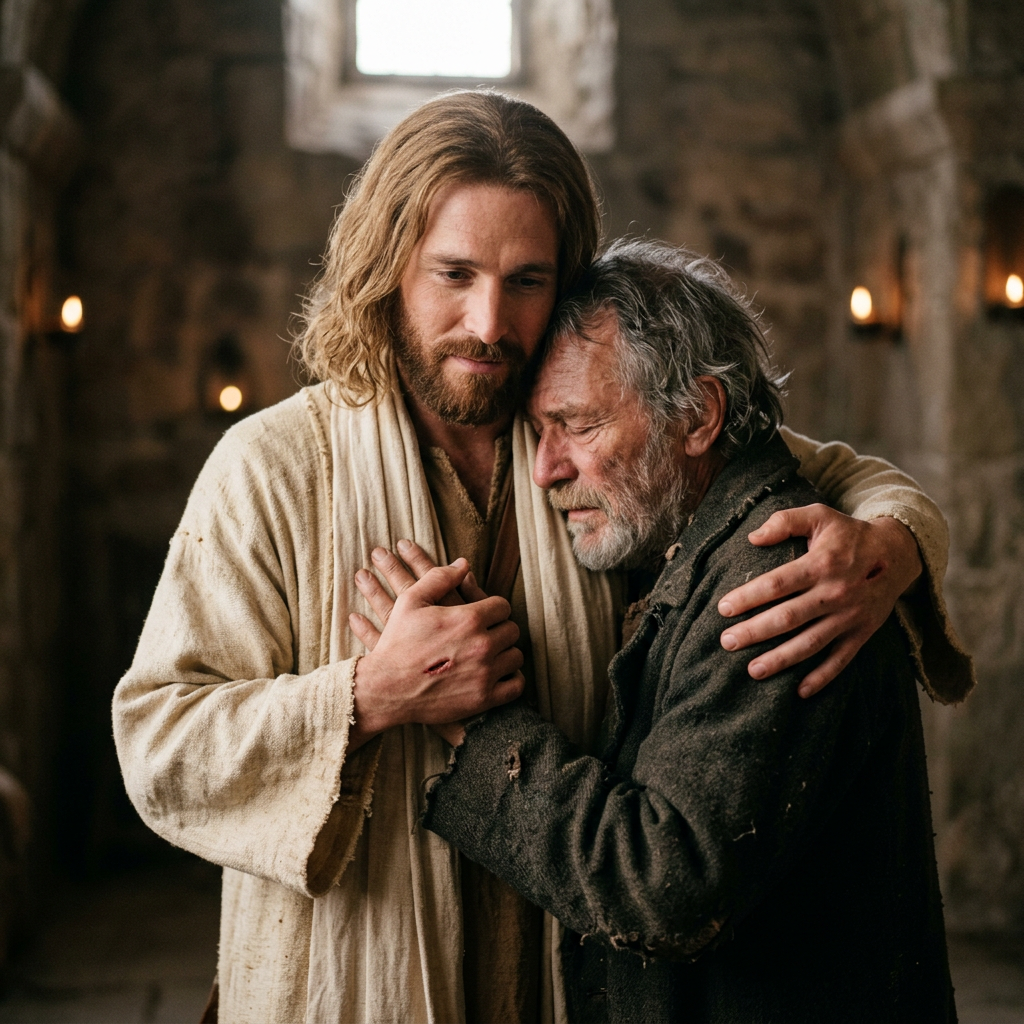
They are souls to be loved, welcomed, discipled, and embraced.
When the church lets politics decide who belongs, we shut the door Jesus opened. I’ve heard a lot of complaints about UK being invaded by immigrants and all that, and yet a recent report showed a rise in church-going. They called it the quiet-revival.
Final Thought
Christian nationalism draws lines.
The gospel draws near.
Jesus didn’t ask where you were from before He saved you.
He asked, “Will you follow Me?”
So let’s stop seeing immigrants as political issues—and start seeing them the way Jesus does:
As people worth dying for.


Leave a Reply