

“…circumcised the eighth day, of the nation of Israel…”
— Philippians 3:5
In Philippians 3, Paul runs through a list of impressive credentials—his spiritual and cultural résumé—and then calls it all rubbish.
Not sinful.
Just flesh.
And confidence in the flesh, Paul says, has no place in the life of a believer.
Let’s talk about one of the most normalized, even celebrated forms of flesh in our modern world:
Patriotism.
“Of the Nation of Israel…”
That phrase in Paul’s list should grab our attention. He doesn’t just mention it—he puts it near the top of his list.
Being a citizen of Israel wasn’t a bad thing. It was a privilege. It meant history, covenant, identity.
But Paul says: “I count it all loss.”
Not just sin. Not just empty works.
Even his national pride.
When Nationalism Masquerades as Faith
In many parts of the world—especially in the West—patriotism has become a spiritual virtue. People wave their flags in the sanctuary, claim their nation is “God’s chosen,” and believe political allegiance is somehow tied to eternal destiny.
Sermons sound more like campaign rallies.
Testimonies are peppered with phrases like “Proud to be a [insert nationality].”
People talk about “taking back the nation for God” more than they talk about the Gospel.
This is not just confusing—it’s flesh.
What’s the Problem with Patriotism?
Let’s be clear:
You can be grateful for your country.
You can pray for its leaders.
You can participate in civic life.
But once you begin to derive your identity, superiority, or value from your nationality, it becomes flesh.
And flesh always leads to division, pride, and self-righteousness.
Paul warns: if he—a citizen of the covenant nation—didn’t boast in his national heritage, what makes us think we should?
Do You Look Down on Other Nations?
Paul had every reason to brag about his bloodline and background. But he didn’t.
He knew the Gospel didn’t elevate Israel above the nations—it fulfilled Israel’s purpose to bless the nations (Genesis 12:3).
Today, many believers are subtly taught that their nation is superior.
That God’s work is somehow more active there.
That revival and righteousness are tied to their borders.
But here’s a question:
Do you secretly think less of believers from other nations?
Do you trust a preacher more when he’s from your country?
Do you assume other countries are spiritually weaker or more corrupt?
If so, that’s not faith—it’s flesh.
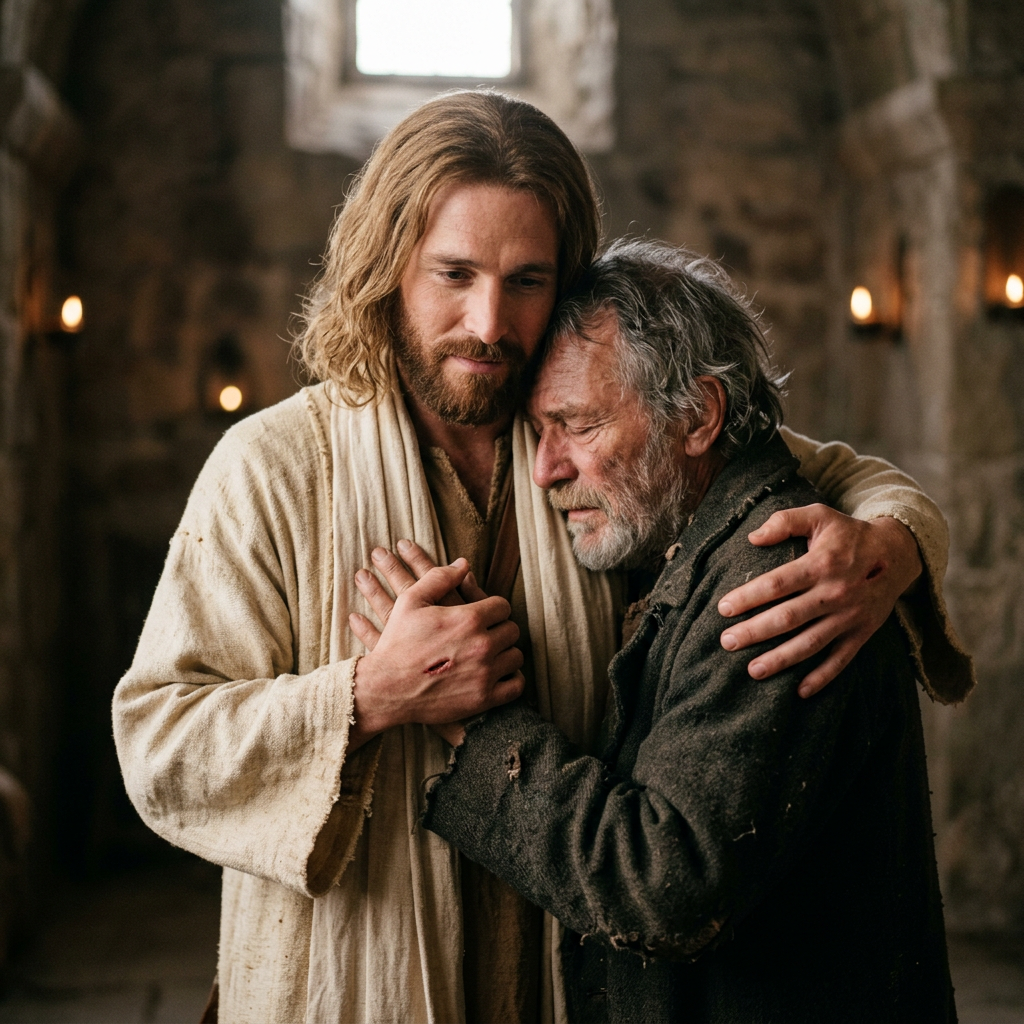
Jesus Didn’t Die for Flags
Jesus didn’t die to make any one country “great.”
He didn’t die to elevate one race, one culture, or one flag.
He died for the world.
And in His kingdom, there is no Jew or Gentile, no American or Asian, no Western or Eastern dominance—only one new man in Christ (Ephesians 2:15).
Let’s Detox from National Pride
Your value doesn’t come from the place of your birth.
It comes from the blood of Christ.
Yes, thank God for freedom.
Yes, pray for your leaders.
Yes, vote with wisdom.
But never confuse your national identity with your spiritual one.
Because when the flag replaces the cross,
we don’t become more faithful—
we just become more fleshly.
Continue reading
Previous in the Philippians series: Paul’s CV
Next in the Philippians series: Christian Nationalism Is Just Another Name for Confidence in the Flesh
Related reading:


Leave a Reply