

“By faith we understand that the universe was created by the word of God, so that what is seen was not made out of things that are visible.” — Hebrews 11:3
None of us were present when God created the universe.
No scientist observed it.
No prophet watched the first moment of creation.
No historian recorded it.
Yet every Christian confidently says:
“In the beginning, God created the heavens and the earth.”
How do we know?
The author answers:
“By faith we understand…”
Faith Begins Where Sight Ends
Notice what Hebrews does not say.
It does not say,
“By faith we imagine.”
Nor does it say,
“By faith we ignore evidence.”
Instead, it says,
“By faith we understand.”
Isn’t that interesting? Faith is not irrational. It is a way of knowing.
How?
Not because we personally witnessed creation, but because we trust the One who did.
Faith begins with God’s revelation. That has been the pattern throughout Scripture.
God speaks. People respond. That is faith.
The Unseen Explains the Seen
The verse continues:
“So that what is seen was not made out of things that are visible.”
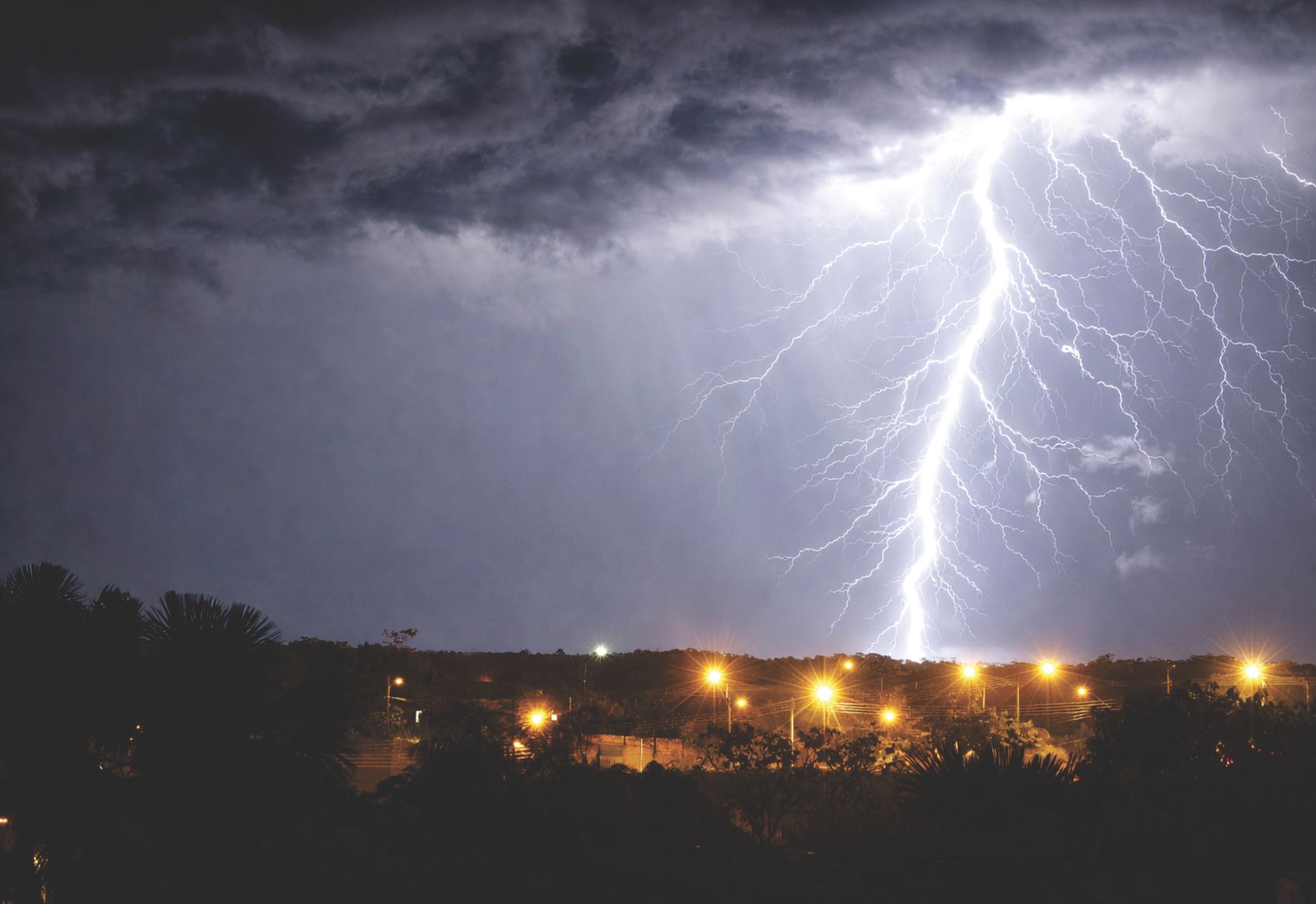
The visible universe ultimately came from the invisible activity of God.
Everything we see has its ultimate origin in the God whom we cannot see.
This has profound implications.
Our culture often assumes that only what can be measured, weighed, or observed is truly real.
Hebrews turns that thinking upside down.
The visible world itself exists because of an invisible God.
The unseen is not less real than the seen.
In fact, according to Hebrews, the unseen is the very reason the seen exists.
Faith Has Always Begun With God’s Word
Notice carefully what the author says.
The universe was framed:
“by the word of God.”
Creation began with God speaking.
The first act was not human observation.
It was divine revelation.
That pattern continues throughout Hebrews 11.
God speaks to Abel.
God warns Noah.
God calls Abraham.
God promises Sarah.
God speaks to Moses.
Every act of faith in this chapter begins the same way.
God speaks. People trust Him. Faith is always a response. It is never self-generated optimism.
This Connects Beautifully With Hebrews 10
Remember how chapter 10 ended:
“My righteous one shall live by faith.”
The question naturally becomes:
What does living by faith actually look like?
Chapter 11 begins answering that question.
First, faith trusts God’s testimony about creation.
Then faith trusts God’s promises.
Then faith obeys God’s instructions.
Then faith perseveres through suffering.
Faith is not merely believing that God exists.
Faith is living as though what God has said is more certain than what our eyes currently see.
The Finished Work Perspective
From a finished-work perspective, this verse becomes deeply encouraging.
None of us saw Christ bear our sins.
None of us watched Him rise from the dead.
None of us witnessed our old self being crucified with Him.
None of us saw ourselves become new creations.
Yet we confidently believe all these things.
Why?
Because God has spoken.
The same faith that believes God created the universe by His word also believes God’s declaration that:
- our sins have been forgiven,
- we have been made righteous,
- we have been reconciled to God,
- we have been blessed with every spiritual blessing,
- Christ lives in us,
- we are complete in Him.
Many of these realities are invisible.
You cannot place forgiveness under a microscope.
You cannot photograph righteousness.
You cannot measure adoption with scientific instruments.
Yet they are no less real because they are unseen.
In fact, Hebrews teaches us that some of God’s greatest realities are invisible.
Faith Is Trusting God’s Interpretation of Reality
Perhaps this is one of the simplest ways to define biblical faith.
Faith is trusting God’s interpretation of reality above our own limited observation.
When God says,
“You are forgiven,”
faith says,
“Amen.”
When God says,
“You are My child,”
faith says,
“Amen.”
When God says,
“You have every spiritual blessing in Christ,”
faith says,
“Amen.”
Faith is not pretending something is true.
Faith is agreeing with the One who cannot lie.
We Live By What God Has Said
Hebrews 11 does not invite us to manufacture certainty.
It invites us to trust the God who has already spoken.
Creation is the author’s first example.
Not because it is the most important event in Hebrews 11.
But because it reminds us that faith has always begun the same way.
God speaks.
Faith believes.
The Christian life is no different.
We did not see Christ die.
We did not see Him rise.
We did not see our sins removed.
We did not watch ourselves become new creations.
But God has spoken.
And that is enough.
Because faith is not confidence in what we can see.
Faith is confidence in the God who has spoken.
And the God who spoke the universe into existence is the same God who speaks over every believer today:
“You are Mine.”
Continue reading
Previous in the Hebrews series: What Is Faith? Hebrews 11:1–3 Explained Contextually
Next in the Hebrews series: Abel’s Faith Still Speaks
Related reading:
Leave a Reply