
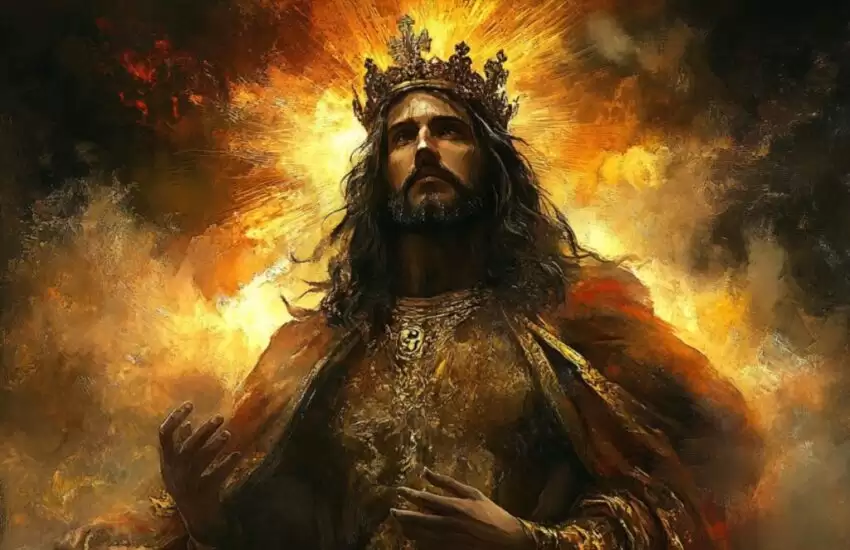
Understanding Eternal Sonship vs. Messianic Sonship
One of the most important questions in Christology is this:
Was Jesus always the Son, or did He become the Son at His resurrection?
Certain passages—especially Psalm 2:7, Acts 13:33, and Romans 1:4—sometimes cause believers to wonder if “Sonship” began in time. But Scripture makes a clear distinction between Eternal Sonship (who Jesus is in His divine nature) and Messianic Sonship (how He functions in the plan of redemption).
Understanding the difference resolves the confusion.
1. Jesus Did Not Become the Son at the Resurrection
From eternity past, Jesus is the Son:
- Before creation
John 1:1–2
“The Word was with God… and was God.” - Before the incarnation
John 17:5
“Glorify Me with the glory I had with You before the world existed.” - From all eternity
Hebrews 1:3
“The radiance of His glory… the exact representation of His nature.” - Sent as Son into the world
1 John 4:9
“God sent His Son.”
Jesus was already the Son before His birth, baptism, ministry, death, and resurrection.
He did not become Son—He revealed His Sonship in history.
2. The Resurrection Declared Him “Son of God With Power”
Romans 1:4 says Jesus was:
“Declared to be the Son of God with power by the resurrection.”
This does not mean:
❌ He became the Son for the first time
❌ Sonship began at resurrection
❌ He was promoted into deity
It means:
✔ His Sonship was publicly vindicated
✔ His kingly authority was revealed
✔ He entered His royal role with power
Before the resurrection, on earth → Son in humility
After the resurrection → Son in glory and dominion
This is revelation, not origin. Coronation, not creation.
3. Psalm 2:7 — “Today I Have Begotten You” Is About Enthronement
Psalm 2 is a royal enthronement psalm.
“Today I have begotten You” is coronation language, meaning:
- “Today I install You as King”
- “Today You enter Your royal office”
Acts 13:33 applies this verse to the resurrection because that is when the Father publicly enthroned the risen Messiah as King over all nations.
This is Messianic begetting.It does not mean the Son began to exist.
It means He began to rule visibly as the risen Davidic King.
4. Two Types of Sonship
To avoid confusion, we must distinguish:
Eternal Sonship — Identity in the Godhead
- The Son is eternally begotten of the Father. (Read What Does It Mean That the Son Is Eternally Begotten?)
- No beginning, no becoming, no change
- Divine Sonship is Who He is
- The Father is eternally Father because the Son is eternally Son
Messianic Sonship — Role in redemption
- Declared at incarnation
- Affirmed at baptism
- Vindicated at resurrection
- Exercised in heavenly enthronement
The Bible uses “Son” in both ways.
When Paul and the Psalms speak of the Son being “declared,” “installed,” or “begotten,” they are referring to His royal office, not His divine nature.
5. Why This Matters
This distinction preserves:
✔ the Deity of Christ
✔ the eternal Trinity
✔ the integrity of the gospel
If Jesus only became Son at some point in time, then:
- the Father was not eternally Father
- the Trinity collapses
- the Son would be a creature
- salvation is impossible
But Scripture is clear:
Jesus is eternally Son by divine nature,
and He was declared Son in power at His resurrection.
This is why Hebrews 1 contrasts:
- eternal identity → “the radiance of His glory”
- historical enthronement → “today I have begotten You”
Both truths describe the same Son.
Conclusion:
Jesus Did Not Become Son — He Was Revealed as Son. The resurrection did not create Christ’s Sonship. It crowned it.
What He always was by nature
He was revealed to be in glory.
He is:
- eternally Son in deity
- declared Son in resurrection
- enthroned Son in ascension
- ruling Son in heaven
- returning Son in power
And because He is eternally Son,
we who believe are welcomed into His Sonship and inheritance forever.
Continue reading
Previous in the Hebrews series: The Son Enthroned Above Angels
Next in the Hebrews series: When, How and Why was Jesus Begotten
Related reading:


Leave a Reply