

When we read through the Bible, there are stories that can leave us scratching our heads. One common question is: “If God is loving, why did He allow or send things like vipers to punish the Israelites in the wilderness?”
To answer that, we have to step back, look at the bigger story of Scripture, and understand the difference between life under the Law and life under the New Covenant in Christ.
The Fall of Man and God’s First Promise
Everything begins in Genesis. When Adam sinned, something catastrophic happened: humanity experienced spiritual death. People didn’t stop existing, but they became disconnected from God—like a room plunged into darkness when the light goes out.
Because God is perfectly righteous, He couldn’t have fellowship with sin. But He didn’t leave humanity without hope. In Genesis 3:15, God promised a Redeemer—the first prophecy about Jesus, who would one day crush the serpent’s head and restore what was broken.
Later, God chose Abraham—not because of Abraham’s works, but purely out of grace. Through Abraham, God promised to bless the nations. Yet, as Paul explains in Romans 9:6–8, not all who descended physically from Abraham belonged to the true “Israel.” The promise always belonged to those who would live by faith.
Why Some Israelites Perished
So why did many Israelites die in the wilderness, even though they were descendants of Abraham?
Paul tells us plainly: “Not all who are descended from Israel are Israel.” Many of them hardened their hearts in unbelief. Faith was missing. Instead of trusting God, they grumbled, doubted, and rejected His promises.
And under the Law, failure came with severe consequences. God, as a righteous Judge, had to deal with sin. When the people turned from Him, they fell under the Law’s curse, which included judgment—even in the form of serpents (Numbers 21:4–9).
But here’s the key: God’s heart was never to destroy them. His desire was always to bring them into the Promised Land. Their unbelief kept them out.
The New Covenant: Our Position in Christ
Fast forward to us today. The cross changes everything.
- We are complete in Christ (Colossians 2:10).
- We are blessed with every spiritual blessing in the heavenly places (Ephesians 1:3).
- We are made righteous because Jesus bore the punishment for our sin (2 Corinthians 5:21).
That means God no longer sends punishment like He did under the Old Covenant. Jesus took it all on Himself. What remains for us is discipline, but it’s the loving correction of a Father—not judgment, sickness, or wrath.
God’s Discipline vs. Punishment
It’s important to separate discipline from punishment.
- Punishment is about paying for sin. Jesus already paid that price in full.
- Discipline is about training us to maturity. Hebrews 12:6 says, “The Lord disciplines the one He loves.”
God doesn’t discipline with sickness or tragedy. Jesus showed us His Father’s heart: He healed every sickness He encountered. If sickness were from God, Jesus would have been working against Him. Instead, Jesus revealed God’s nature as healer, restorer, and life-giver.
Where Does Sickness Come From?
Jesus left no doubt:
- “The thief comes only to steal and kill and destroy; I came that they may have life, and have it abundantly” (John 10:10).
Sickness, death, and destruction come from the enemy, not God. God’s will is life and wholeness.
What About Job?
Many point to Job as proof that God causes suffering. But Job lived before Abraham, before any covenant. He didn’t even know the devil existed—which is why he attributed his suffering to God.
The truth? It was Satan who afflicted Job. And unlike Job, we live under a better covenant, sealed in Jesus’ blood. God will never break it.
God’s Love and Our Growth
God’s love doesn’t shield us from every hard thing—but it does promise that nothing is wasted. Even our mistakes can become lessons that shape us when surrendered to Him. Consequences may come from our choices, but they’re not God’s punishment—they’re opportunities to grow under His loving guidance.
Ultimately, eternal separation from God happens only when someone refuses His gift of salvation. God provides the way, but He honors human choice.
Conclusion: Faith, Love, and God’s Character
When we wrestle with the tough parts of the Old Testament—like the vipers in the wilderness—we have to remember:
- God is righteous and cannot ignore sin.
- God is love and always provides a way of escape (Numbers 21:8; John 3:14–15).
- In Christ, judgment has been poured out once for all.
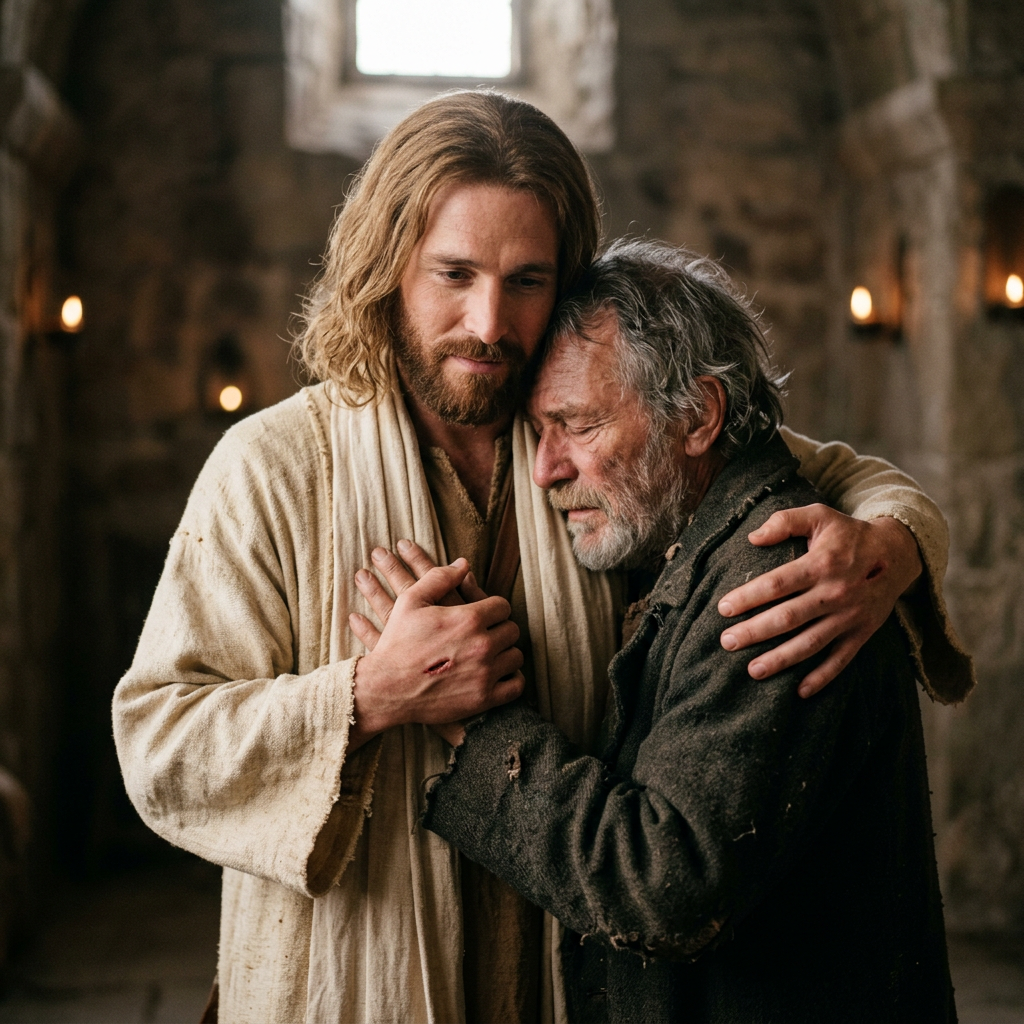
Through Jesus, we see God’s true nature revealed: a compassionate Father who heals, restores, and rescues. His desire is always that we come to Him in faith, receive His grace, and live in the fullness of His love.
Continue reading
Related reading:


Leave a Reply