

Introduction: Fear or Finished Work?
Few topics generate as much speculation as “the Antichrist.” Books, movies, and prophecy charts often paint him as a future global dictator who plunges the world into chaos during a 7-year tribulation.
But is that what Scripture actually says? And how should we understand the Antichrist from a Finished Work, Amillennial perspective?
1. What the Bible Says About Antichrist
Surprisingly, the word “antichrist” appears only in John’s letters:
“Children, it is the last hour; and just as you heard that antichrist is coming, so now many antichrists have appeared.” (1 John 2:18)
“Who is the liar? It is whoever denies that Jesus is the Christ. Such a person is the antichrist.” (1 John 2:22)
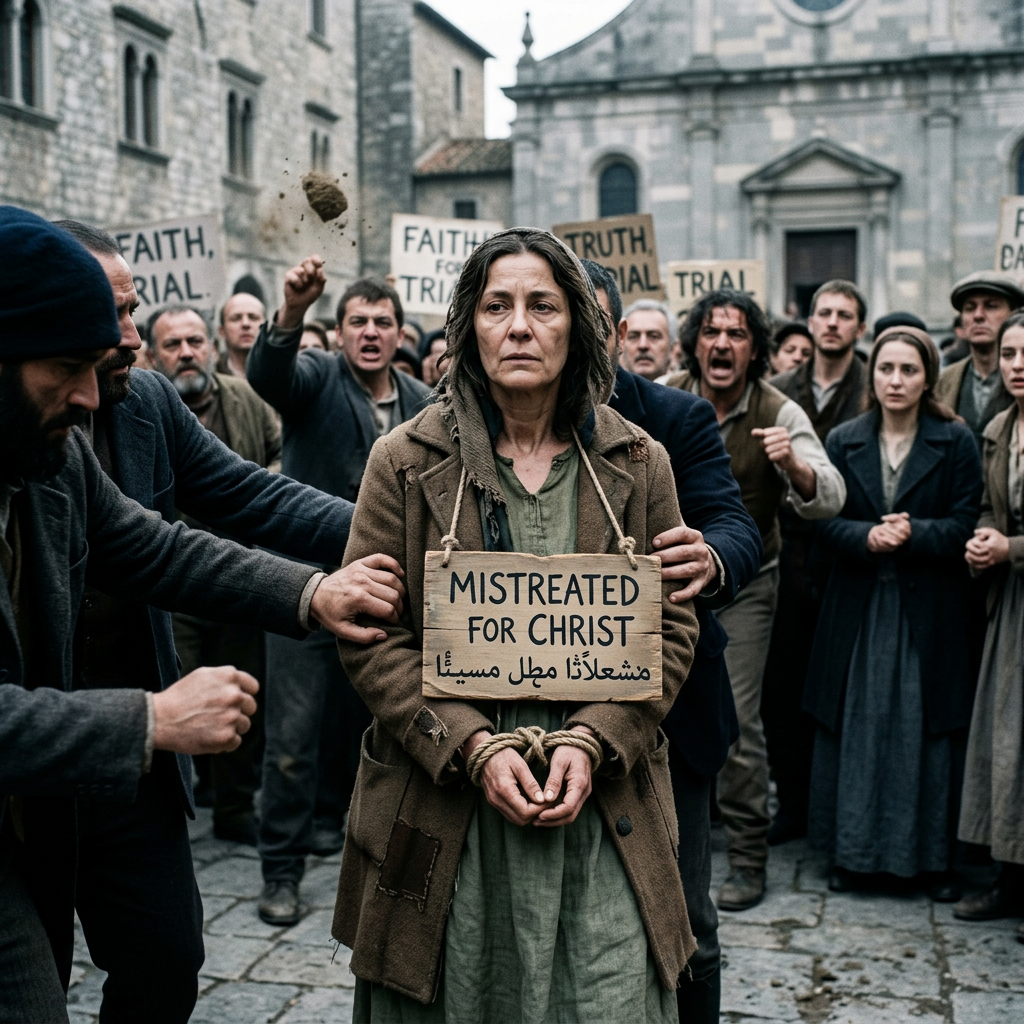
John doesn’t speak of one future figure, but of a recurring spirit of deception already active in his time. Anyone denying Christ is, by definition, antichrist.
2. The Dispensational Antichrist
Dispensationalism builds a whole system around a single, future Antichrist:
- He will sign a covenant with Israel for 7 years (Daniel 9:27).
- Midway, he breaks it and sets up the “abomination of desolation.”
- He dominates the tribulation period until Christ’s visible return.
This view turns eschatology into a fearful waiting game, where believers look for signs of this man’s arrival.
3. The Finished Work Perspective
Finished Work theology and Amillennialism interpret these passages differently:
- Antichrist = spirit of opposition to Christ, not a future superman.
- This spirit is already at work in false teachers, corrupt systems, and unbelief.
- Christ’s cross already defeated the powers that stand against Him:
“He disarmed the rulers and authorities and put them to open shame, by triumphing over them in him.”(Colossians 2:15)
In other words, believers are not called to fear an Antichrist, but to rest in Christ’s victory.
4. Daniel and Revelation Through Finished Work Eyes
- Daniel 9:27 — “covenant with many” points to Christ’s New Covenant, not Antichrist’s treaty.
- Revelation’s beast imagery — represents oppressive powers (Rome in John’s day, and any empire opposing Christ), not one end-time dictator.
- The focus is Christ’s triumph, not Antichrist’s rise.
5. Why This Matters
- Dispensationalism: believers anticipate Antichrist and tribulation, then Christ.
- Finished Work Amillennialism: believers anticipate Christ alone. The Antichrist spirit is real, but it’s a present deception, not the climax of God’s story.
Conclusion: Look to Christ, Not Antichrist
The New Testament points us not to fear, but to confidence in Jesus:
“You, dear children, are from God and have overcome them, because the one who is in you is greater than the one who is in the world.” (1 John 4:4)
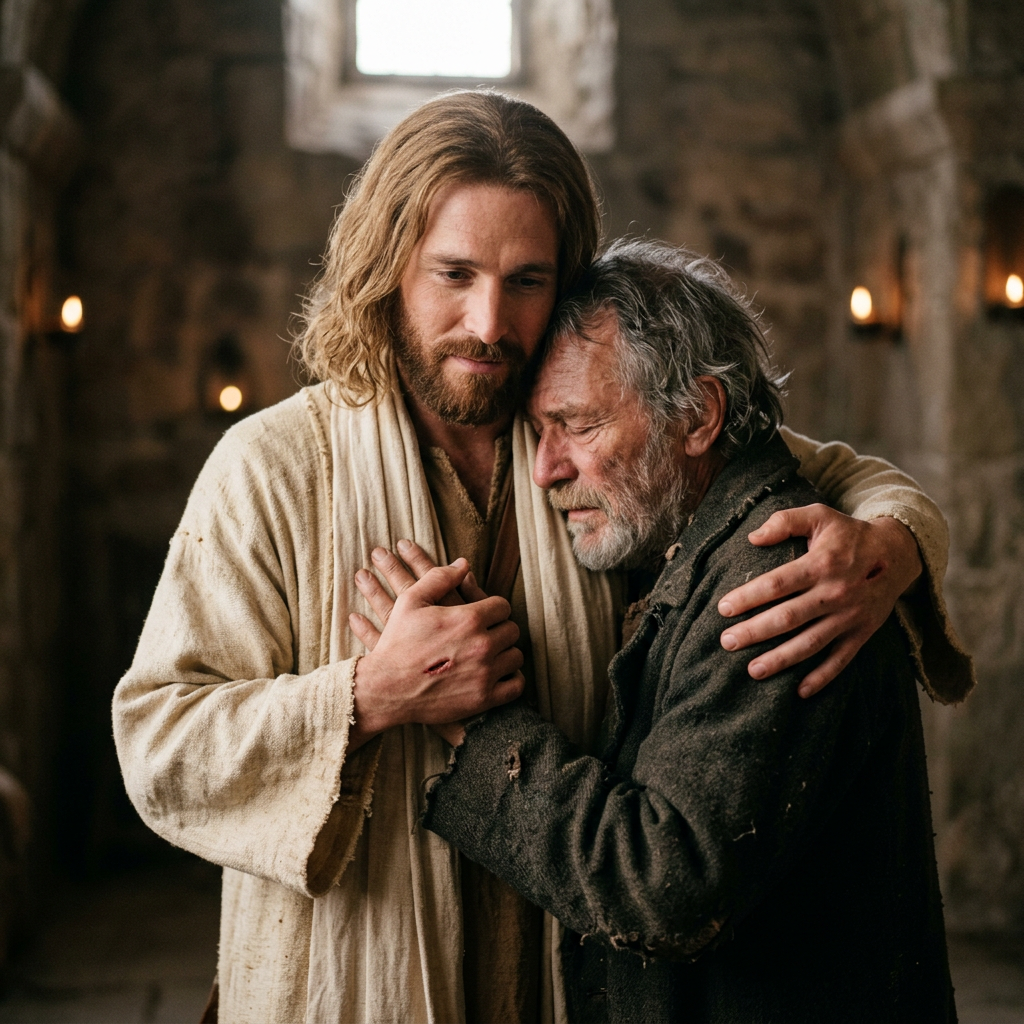
The real story is not about Antichrist’s power, but about Christ’s finished work. Our hope is not waiting for an enemy to appear, but for our Savior to return.
Continue reading
Related reading:

Leave a Reply