
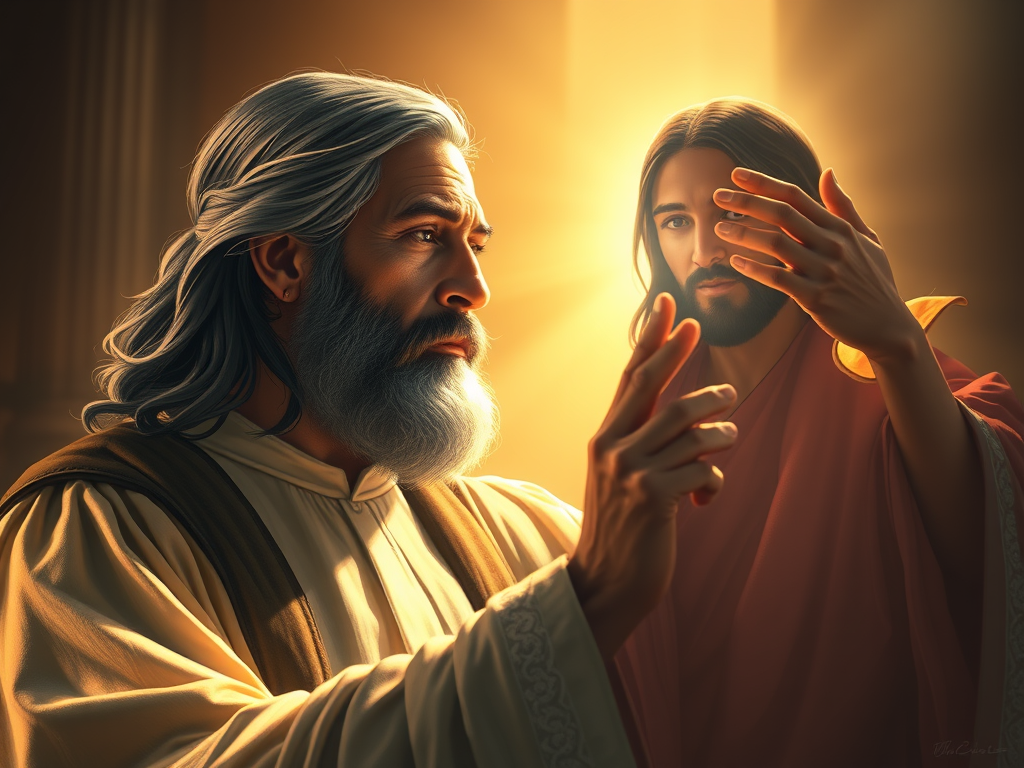
How God’s Judgments and Ways Find Their Fulfillment in the Finished Work of Christ
“How unsearchable are His judgments, and how inscrutable His ways!” — Romans 11:33
Many people struggle with the idea of God’s justice.
If He’s loving, why judgment?
If He’s righteous, why mercy?
And If He’s just, why grace?
The answer isn’t found in a philosophy — it’s found in a Person.
At the Cross, God’s unsearchable judgments and unfathomable ways came together in perfect harmony.
Because the gospel — at its very core — is justice served.
1. Justice Began in the Garden
Everything we see about judgment and mercy traces back to one moment: Adam’s sin.
God told Adam plainly:
“In the day you eat of it, you shall surely die.” — Genesis 2:17
That was justice.
That was the righteous standard of a holy God.
When Adam sinned, the judgment was clear — death entered the world.
And because Adam represented all humanity, that death passed down to all of us (Romans 5:12).
Justice demanded death.
But mercy whispered of a plan.
From that moment, the master plan of redemption began — one that would span covenants, centuries, and generations until it reached a hill outside Jerusalem.
2. The Justice That Was Owed Fell on Jesus
In God’s court, the verdict was guilty.
Humanity had fallen. The law demanded death.
But the heart of God wasn’t to destroy man — it was to deliver him.
So, instead of Adam dying, Jesus died.
Instead of you dying, Jesus died.
He didn’t die to cancel justice — He died to fulfill it.
That’s why Paul says,
“He who knew no sin became sin for us, that we might become the righteousness of God in Him.” — 2 Corinthians 5:21
The justice of God was satisfied, and the love of God was magnified — at the same moment, on the same cross.
How’s that for justice?
The Judge took the place of the guilty so the guilty could stand righteous before the Judge.
3. The Gospel Is Not Grace Instead of Justice — It’s Grace Through Justice
The Cross was not God changing His mind about sin — it was God revealing His mind about righteousness.
He didn’t ignore sin; He absorbed its penalty.
Every judgment, every curse, every debt that began with Adam was transferred onto Jesus.
The law’s demands weren’t brushed aside — they were met in full.
That’s why Paul writes:
“For the wages of sin is death, but the gift of God is eternal life in Christ Jesus our Lord.” — Romans 6:23
Sin’s wage was paid.
Justice was served.
And grace was released.
The Gospel is not God overlooking sin; it’s God overpowering it through the blood of His Son.
4. Divine Justice That Ends in Mercy
If we only read the Old Testament, we see judgment.
If we stop at the Cross, we see justice.
But if we understand the Finished Work, we see mercy triumphing over judgment (James 2:13).
The story of Scripture isn’t a record of God’s cruelty — it’s a revelation of His consistency.
He said sin leads to death — and He meant it.
But in His mercy, He took that death upon Himself so that life could flow freely to all who believe.
That’s why the gospel is not the suspension of justice — it’s the completion of it.
5. What Looked Like Wrath Was Actually Rescue
Every Old Testament act of divine judgment was pointing forward to this moment.
The flood, the plagues, the exile — each was a shadow reminding us that sin brings destruction, and that humanity desperately needs rescue.
But in Christ, that shadow became substance.
He bore our curse.
And He took our wrath.
He became our substitute.
What once looked like divine cruelty was actually divine compassion preparing the way for redemption.
At the Cross, wrath didn’t disappear — it was satisfied.
And in its place, grace began to reign.
6. God’s Ways Are Unfathomable — But Perfectly Just
When Paul says God’s ways are “inscrutable,” he’s saying we’ll never fully grasp the brilliance of His plan.
Who could have imagined that the justice pronounced in Eden would be fulfilled at Calvary?
That what began with one man’s disobedience would be undone by another Man’s obedience (Romans 5:19)?
Human reasoning says justice and mercy can’t coexist.
But divine wisdom says — they meet perfectly in the person of Jesus.
At the Cross, justice kissed mercy, and eternity shifted.
Final Word
So, what is the gospel?
It’s not just forgiveness — it’s justice completed.
Adam sinned, and death entered the world — that was justice.
But Jesus died, and life entered the world — that was fulfilled justice.
At the Cross, God didn’t ignore the law; He honored it.
He didn’t dismiss justice; He delivered it.
The debt was real. The payment was made.
The sentence was death. The substitute took it.
Now, because of the Finished Work, justice doesn’t condemn us — it defends us.
Because in Jesus, justice has already been served.
“For from Him and through Him and to Him are all things. To Him be glory forever. Amen.” — Romans 11:36
Continue reading
Related reading:

Leave a Reply