

When we think about Jesus’s time on earth, it’s easy to imagine He lived in a mostly Jewish world. But the truth is, the first-century Mediterranean was bursting with religions, philosophies, and cults. From the synagogues of Galilee to the pagan temples of Ephesus, the people of God were surrounded by a patchwork of faiths.
The question is: how did Jesus, Paul, and the early church engage with this diversity? Did they attack other religions head-on? Did they try to cleanse cities of idols? Or did they take another path?
The Religious Landscape of Jesus’s World
During Jesus’s ministry (c. 4 BC – AD 30), multiple religions coexisted in the areas He visited:
- Judaism: Pharisees, Sadducees, Essenes, Zealots, and Samaritans, each with their own emphases.
- Greco-Roman Polytheism: Jupiter, Venus, Mars, and countless gods, along with emperor worship.
- Canaanite and Syrian Deities: Baal, Astarte, and local fertility gods in Tyre, Sidon, and the Decapolis.
- Persian/Zoroastrian Influence: Beliefs in angels, demons, and resurrection shaping Jewish thought.
- Mystery Cults: Isis, Mithras, Dionysus, promising salvation through secret rituals.
- Philosophies: Stoics, Epicureans, and Cynics shaping moral conversations in Roman cities.
In short, Jesus proclaimed the kingdom of God not in a vacuum but in a religiously crowded world.
Jesus’s Approach
What’s striking is what Jesus didn’t do:
- He didn’t go on campaigns to shut down pagan temples.
- He didn’t call for idol-makers to be driven out of their jobs.
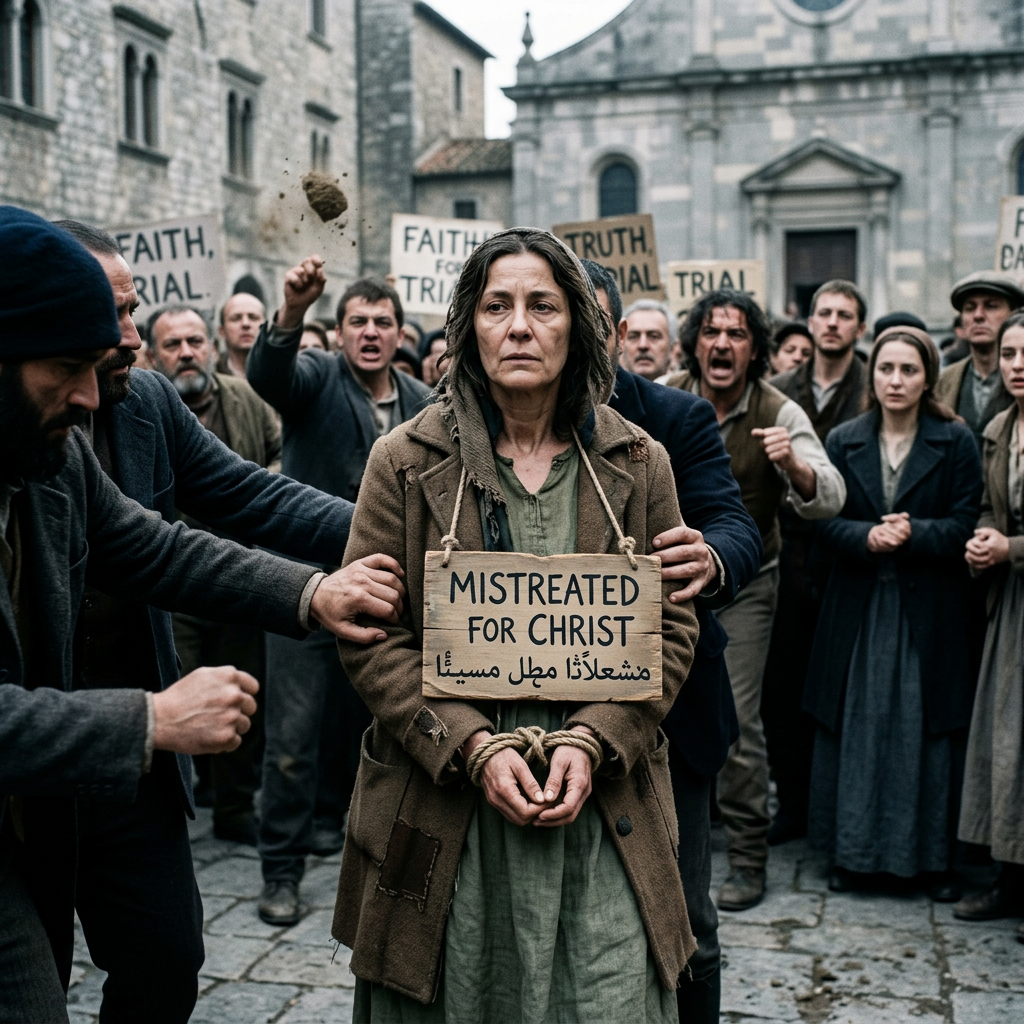
- He didn’t humiliate outsiders in the public square.
- He didn’t publicly berate them.
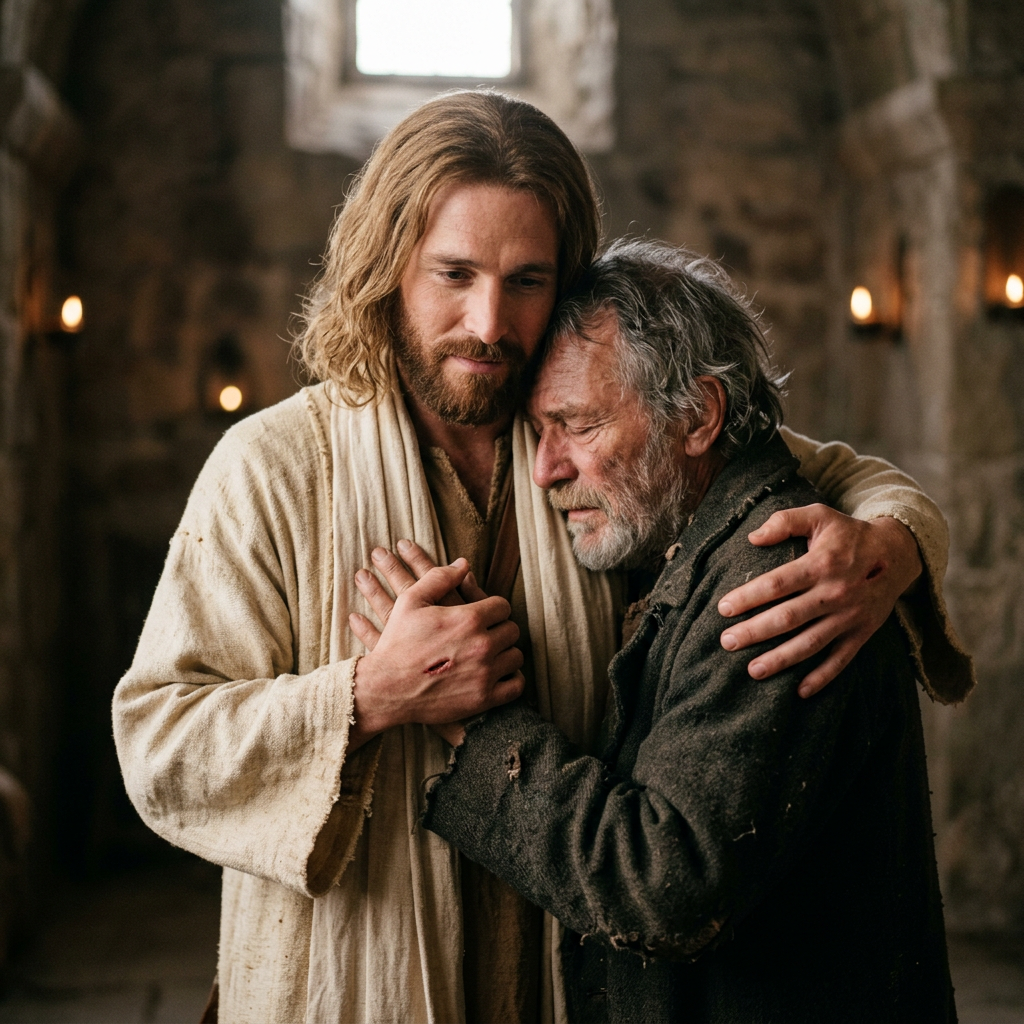
Instead, He engaged people with truth and love:
- With the Samaritan woman (John 4), He confronted her sin but offered living water without shame.
- With the Syrophoenician woman (Mark 7), He tested her faith but praised her persistence.
- With pagans in the Decapolis, He healed and revealed God’s mercy (Mark 5:1–20).
Jesus’s harshest words were reserved not for pagans but for the religious elite who distorted God’s law (Matthew 23). His invitation was always: “Repent, for the kingdom of heaven is at hand” (Matthew 4:17). Not coercion — invitation.
Paul and the Apostles
The apostles carried Jesus’s pattern into the wider Roman world.
Paul in Athens (Acts 17)
- Surrounded by idols, Paul was distressed but respectful.
- He began with common ground: “I see you are very religious” (v.22).
- He quoted Greek poets before proclaiming the resurrection of Christ.
- Strategy: build bridges, then point to Jesus.
Paul in Ephesus (Acts 19)
- His preaching turned people away from Artemis worship.
- Idol-makers rioted, but Paul never told Christians to destroy shrines.
- Even opponents admitted: “These men are neither temple robbers nor blasphemers of our goddess” (v.37).
- Strategy: let the gospel disrupt, not violence.
Peter and John (Acts 4)
- Boldly proclaimed Jesus before authorities.
- Refused to stop preaching, but didn’t insult or attack.
- Strategy: courage without hostility.
Paul on Meat Sacrificed to Idols (1 Corinthians 8–10)
- Idols are nothing, but love limits liberty.
- Strategy: freedom guided by love.
Across their letters, the apostles told Christians in pagan cities:
- “Live peaceably with all” (Romans 12:18).
- “Shine as lights in the world” (Philippians 2:15).
- “Conduct yourselves honorably among the Gentiles” (1 Peter 2:12).
The Early Church
The generations after the apostles continued this approach:
- No expulsion or force: They had no political power and didn’t seek it. They lived among pagans without attempting to “purify” cities.
- Persuasion, not coercion: They reasoned, wrote, and shared. Tertullian argued that true worship must be voluntary: “It is a fundamental human right, a privilege of nature, that every man should worship according to his own convictions.”
- A contrast community: Christians became known for love — caring for the poor, rescuing infants, tending to the sick during plagues.
- Refusing compromise: They would not participate in emperor worship or idol feasts, even at great personal cost.
- Trusting God with judgment: Paul said clearly, “What business is it of mine to judge those outside the church? God will judge those outside.” (1 Corinthians 5:12–13).
Summary
From Jesus to Paul to the early church, the strategy was consistent:
- No public berating or forced expulsions.
- Truth spoken with courage and compassion.
- Love as the distinctive mark of God’s people.
- Trusting God to deal with outsiders in His time.
The kingdom spread not by political might or violent power, but by faithful witness. Within three centuries, Christianity had grown from a persecuted minority to a worldwide movement — fueled by grace, not coercion.
The Contrast With Today
Sadly, if we look at how many of us engage in the modern world, especially on social media, the difference is striking. Instead of embodying Jesus’s way of invitation, many Christians are:
- Berating other religions with hostile language.
- Insulting people in the name of debates.
- Trying to “win arguments” instead of winning hearts.
This is far from the model of Jesus, Paul, or the early church. The kingdom of God is not advanced by sarcasm, put-downs, or public humiliation. It grows when truth is spoken with love, when courage is paired with gentleness, and when our lives themselves shine as light in the darkness.
👉 The call for us today is simple but radical: to rediscover the ancient way of Jesus and His first followers — truth without hostility, love without compromise, and witness without coercion.
Continue reading
Related reading:
2 responses to “Jesus and the Apostles on How to Respond to Other Religions”
-
Excellent article. I have been horrified that pastors and people have been doing all the wrong things described in this article. The UK is being torn apart by bigoted attacks from some “Christian” followers on others who are different. Its got to stop. I totally agree with all the right way of doing things that has been put forward in this article.
-
I know right. Thanks for sharing.
-



Leave a Reply