
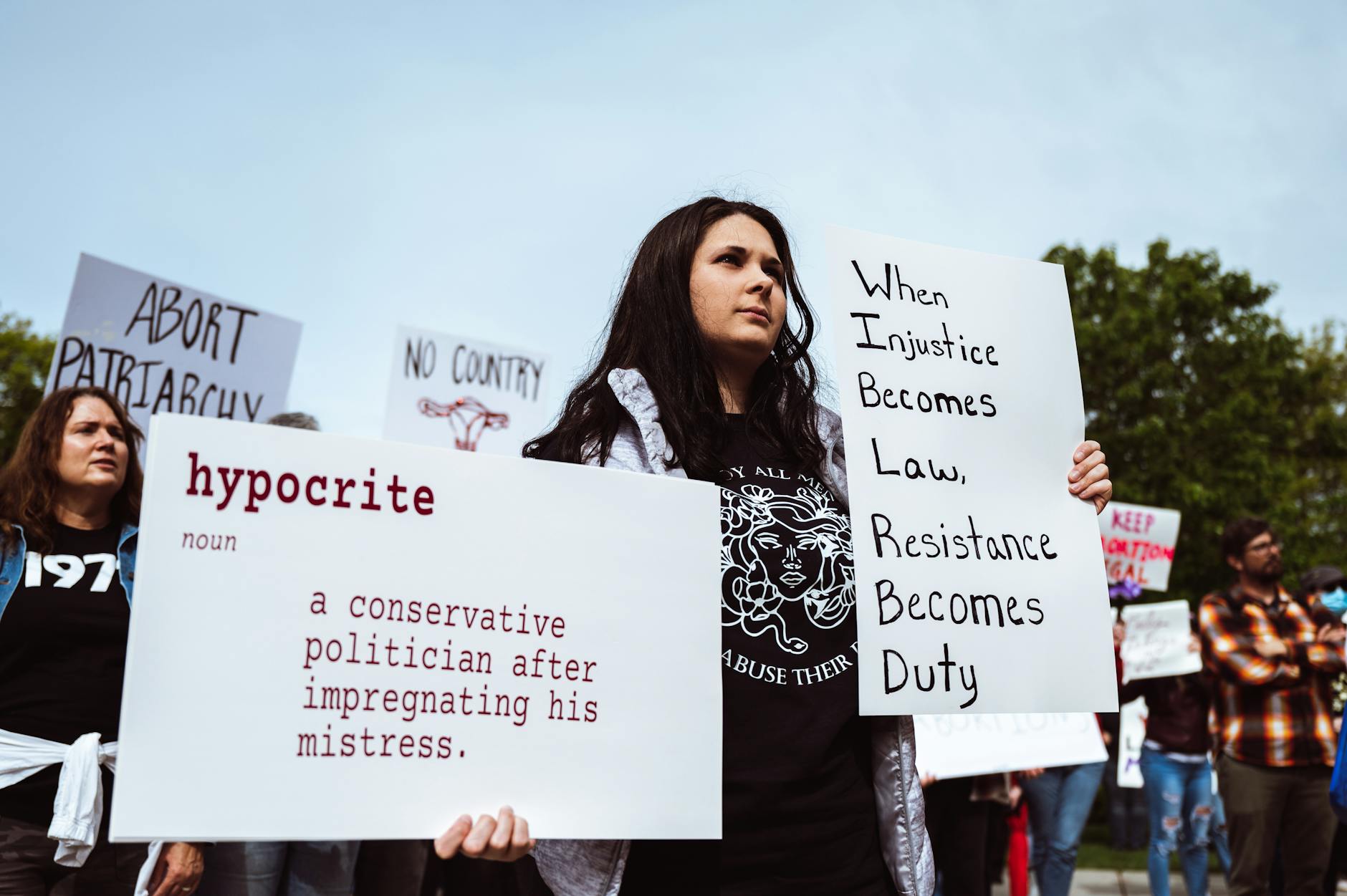
I’ve been wrestling with something that I think many of us feel but rarely say out loud: does the way we live as Christians line up with what we preach?
When I look at how the world perceives us, I can’t ignore the painful reality—many see us as hypocrites. And sadly, the surveys confirm it.
What the World Thinks
The data are sobering:
- 📊 55% of non-religious people in the U.S. say Christians are hypocritical (Ipsos/Episcopal Church).
- 📊 42% of people with no faith say hypocrisy in Christians causes them to doubt Christianity (Barna).
- 📊 18% of global teens describe Christians as hypocrites (Barna global teens study).
- 📊 1 in 3 young adults who left church said they did so because churches were “hypocritical or judgmental” (Barna).
- 📊 In some studies, as many as 85% of non-Christian young adults in the U.S. said Christians are hypocritical.
These aren’t just numbers. They represent neighbors, classmates, and co-workers who look at the church and conclude: “They say they follow Jesus, but they don’t live like Him.”
Why People Call Us Hypocrites
When people use the word hypocrite, they aren’t usually nitpicking. They’re naming patterns they’ve observed:
1. Moral Double Standards
- Churches condemn LGBTQ+ people harshly, but quietly excuse leaders who commit adultery.
- Christians rail against dishonesty in politics when it’s the “other side,” but defend lies if they come from their preferred candidate.
- Some leaders denounce violence abroad but excuse violence or hatred when done in the name of nationalism.
2. Selective Compassion
- Congregations organize major prayer rallies for persecuted Christians overseas but remain silent about local racial injustice.
- Compassion ministries are well-funded for “insiders,” yet refugees or immigrants in the same community are ignored.
- A church will generously help a longtime member pay medical bills but look the other way when a single mother outside the church struggles.
3. Judgmentalism
- A teen leaves church after hearing constant condemnation about tattoos, clothing, or music taste—never once hearing encouragement or grace.
- Instead of engaging someone curious about faith, believers first point out their sins or lifestyle “problems,” leaving them feeling shamed rather than loved.
- A Christian workplace group spends more time criticizing non-Christian co-workers than praying for or serving them.
4. Political Entanglement
- A Sunday sermon sounds more like a campaign speech, listing talking points from one party rather than opening Scripture.
- A church leader insists that “real Christians” must vote a certain way, equating political loyalty with salvation.
- Believers cheer louder for political rallies than they ever do for missions, baptisms, or acts of service.
As one Barna study summarized:
“Christians say they’re about love, but what we mostly experience is judgment. They say they follow Jesus, but they don’t look like Him.”
I am not saying that this is true for all Christians, but it is certainly true for a overwhelming majority of ministries that are visible.
When Politics Masquerades as Gospel
One of the clearest examples of hypocrisy is the way politics and faith often blur together. At times, it feels like many pastors could speak at a political convention and it wouldn’t sound any different.
But the pulpit is not meant for slogans. It’s meant for proclaiming the kingdom of God—a kingdom that transcends every human ideology. When the gospel becomes indistinguishable from partisan talking points, the church loses its salt and light.
The Hero-Worship of Culture Warriors
Another troubling pattern is how certain public figures are celebrated. Someone can openly despise non-European immigrants, yet if they loudly proclaim “Jesus is Lord,” they’re crowned a Christian hero.
But Jesus was clear: “Not everyone who says to me, ‘Lord, Lord,’ will enter the kingdom of heaven, but the one who does the will of my Father” (Matt. 7:21).
Loud allegiance without lived obedience is not discipleship—it’s contradiction. And when the world sees us excusing hate just because it’s wrapped in Christian language, of course they call us hypocrites.
The Forgotten “Small Guy”
Who gets lost in all this culture-war Christianity? The small guy.
The widow, the immigrant, the orphan, the poor—those were the very people closest to Jesus’ heart. James 1:27 reminds us that pure religion is found in caring for the vulnerable.
But too often, instead of lifting up the powerless, the church exalts influencers, pundits, and political fighters. The small guy is forgotten while the stage lights shine on culture warriors.
Why It Matters
This isn’t just about reputation. It’s about witness.
- When outsiders see hypocrisy, they turn away not just from the church but from Christ.
- When believers confuse loyalty to Jesus with loyalty to a party, discipleship gets distorted.
- When compassion becomes selective, the gospel becomes unbelievable.
The world doesn’t need a church that looks like a political rally. It needs a church that looks like Jesus.
A Call Back to Jesus
So what do we do? We don’t fix this by better messaging or spin. We fix it by deeper surrender.
- Consistent compassion – Extend love to all, not just to “our side.”
- Integrity – Hold ourselves accountable before pointing at others.
- Faith above politics – Keep Christ’s kingdom distinct from earthly agendas.
- Obedience – Let our actions match our words.
Because at the end of the day, the world doesn’t need Christians who just say “Lord, Lord.” It needs disciples who actually live like Him.
“Religion that is pure and undefiled before God the Father is this: to visit orphans and widows in their affliction, and to keep oneself unstained from the world.” (James 1:27)
Continue reading
Related reading:

Leave a Reply