

“Being found in appearance as a man, He humbled Himself by becoming obedient to the point of death, even death on a cross.
For this reason also, God highly exalted Him, and bestowed on Him the name which is above every name…”
— Philippians 2:8–9 (NASB)
I once heard someone in church describe a very quiet, soft-spoken brother as “a truly humble guy.”
He rarely spoke, avoided leadership roles, and mostly kept to himself. The moment that was said, it made me think: Is that really what humility is?
Because if we’re honest, in many church circles, that’s the assumed definition.
Don’t speak too much. Don’t take initiative. Don’t stand out. That must be humility, right?
Not quite.
Silence Isn’t the Same as Humility
Growing up, I noticed something: anyone who stepped into leadership had to be assertive, take initiative, and sometimes make tough calls. And the moment they did, people would say, “Well, they’re not exactly humble.”
But the quiet ones? The passive ones? They got labeled “humble” by default.
That’s a shallow definition of humility.
In fact, it’s not biblical at all.
Moses: The Bold and the Humble
In Numbers 12:3, it says:
“Now the man Moses was very humble, more than any man who was on the face of the earth.” (NASB)
Wait, Moses?
The same guy who confronted Pharaoh?
The one who led a nation through the wilderness?
The one who stood between God and Israel?
Yes—that Moses.
You see, biblical humility isn’t about silence. It’s about submission.
Moses didn’t always understand God’s instructions, and he definitely questioned them. But he did what God asked him to do. He obeyed. That’s humility.
Jesus: Obedience Over Outcome
And then we look at Jesus.
“He humbled Himself by becoming obedient to the point of death—even death on a cross.” (Philippians 2:8)
Here’s the thing: Jesus didn’t obey so He could be exalted.
He obeyed because it was the will of the Father.
He wasn’t trying to climb a ladder, gain a title, or win influence. He wasn’t transactional in His obedience. He didn’t say, “If I do this, then God will do that.”
He simply obeyed.
And then God exalted Him.
It wasn’t a reward system—it was the result of humble obedience.
Humility Isn’t Inactivity
So let’s stop confusing humility with passivity.
Being non-committal, avoiding responsibility, or staying quiet isn’t humble—it’s just… not helpful.
True humility is saying, “Not my will, but Yours be done.” (Luke 22:42)
It’s trusting God enough to act on what He’s said—even when it doesn’t make sense.
It’s stepping into leadership, into calling, into obedience—not for status, but because God asked you to.
Final Thought
Let’s redefine humility—not by the volume of our voice, but by the depth of our surrender.
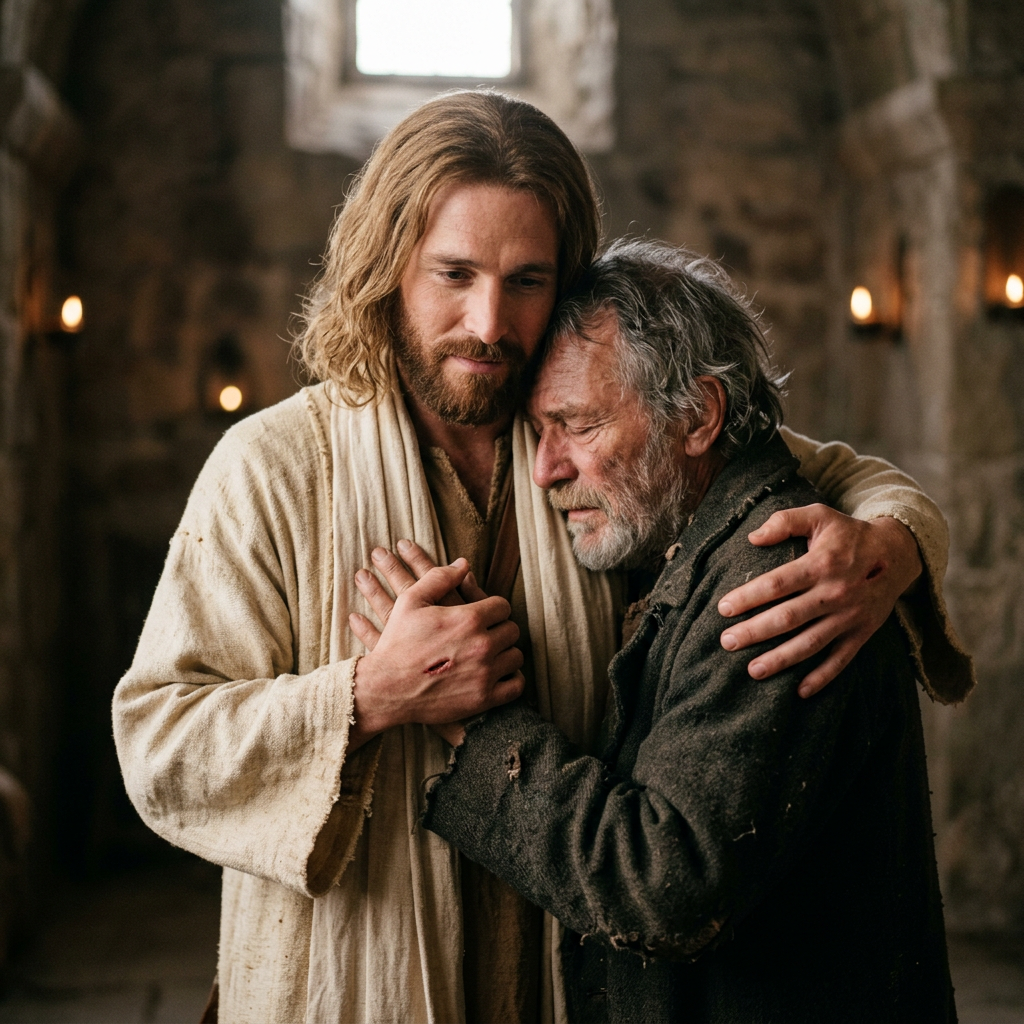
Jesus didn’t stay in the background. He stepped forward. He served. He obeyed.
And He did it all—not for applause, but for the glory of the Father.
May we be people who walk that same path—not seeking promotion, not chasing titles, but simply saying:
“Yes, Lord. Whatever You ask, I’ll do.”
Continue reading
Previous in the Philippians series: From Walmart to Gucci
Next in the Philippians series: What does it mean to Work Out Your Salvation?
Related reading:


Leave a Reply