

Scripture Focus
Let no one keep defrauding you of your prize by delighting in self-abasement
Observations
“Defrauding you of your Prize”
The term defrauding or καταβραβεύω goes beyond simply taking something away. It refers to depriving someone of what rightfully belongs to them, usually in an unjust or dishonest manner. Legalism and asceticism work in this way—they rob you of the spiritual blessings that are already yours in Christ. These blessings are meant to be fully accessible to believers, yet false teachings or a legalistic approach to faith can prevent us from experiencing them in our daily lives. When we adopt a law-based mindset, as Paul points out in Galatians 3:10, “For all who rely on the works of the law are under a curse,” we end up seeking fulfillment in the wrong places and are unable to fully access the abundant life Christ offers.
“Delighting in Self-Debasement”
True Humility vs. Works-Based Humility
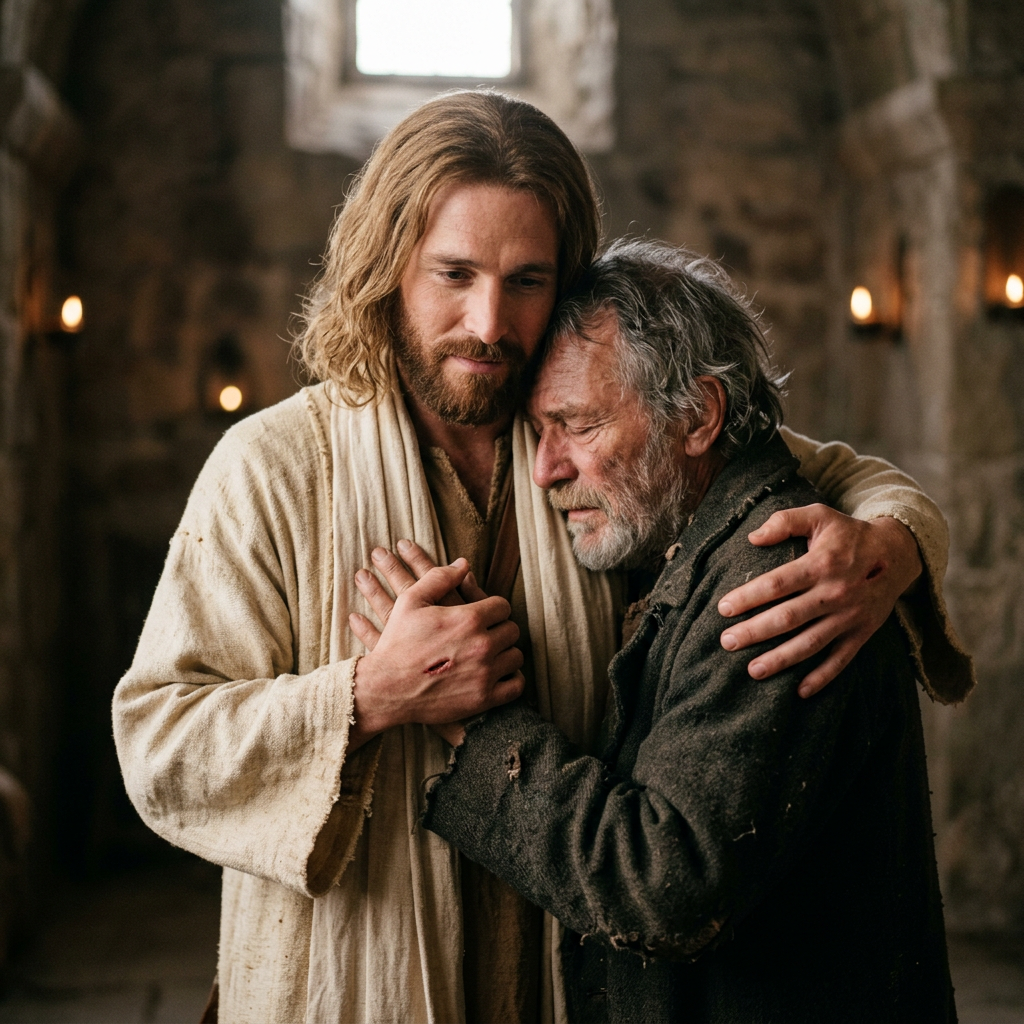
The literal word used here for self-debasement is “humility”. So is Paul against humility? No, but rather he is against a sense of deflated self-esteem that stems from works-based actions that involve rejecting oneself. However, true humility is not about belittling oneself or thinking less of oneself. Christ demonstrated ultimate humility, not by rejecting His divinity or viewing Himself as “nothing,” but by choosing not to use His divine nature for personal advantage.
The Biblical Example of Christ’s Humility
In Philippians 2:5-8, Paul shows that Jesus, “being in very nature God,” humbled Himself by choosing the nature of a servant, ie, someone who would obey. Humility is not about rejecting what God has given us, but about using it to serve His purposes. If humility were about rejecting one’s divinity, Jesus rose up again, and sits on the right hand of God. He didn’t reject that! So we are often taught a wrong picture of humility. Also, say if David chose to be a servant when God called him to be a king, that wouldn’t be humility. So when we are called to be kingdom priests, is it humility when we sit nothing saying that “I am nothing”? No! Humility is in obeying and aligning yourself to what God wants you to be/do.
Walking in Obedience to God’s Calling
So what does God want us to do? He wants us to walk as who are called to be, Jesus walked in dominion and power, serving others, and as He is so are we in this world, and if we are the Body of Christ, and if we have the ministry of reconciliation, we have to walk in that calling. Walking in what God has called us (already) to do isn’t pride. It’s obedience.
The Right View of Our Worth in Christ
Some, like John Calvin, describe humility as the acknowledgment of our unworthiness before God, but that’s only part of the picture. Yes, we are unworthy on our own, but in Christ, we are made worthy. The Bible teaches that we are made in God’s image and have inherent worth (Genesis 1:26-27), and while we are not to think more highly of ourselves than we ought, we must also avoid belittling the value and gifts God has given us. To continue calling ourselves unworthy after being filled with Christ’s presence is to focus on ourselves instead of on the union we have with Christ.
The Danger of the “Unworthy Me” Attitude
It’s this sort of “unworthy me” attitude that makes believers reject the use of authority and power to walk in dominion (as kingdom priests) to make God’s will on earth as it is in heaven, as they think that is pride. The ultimate humility shown by Jesus was in His obedience to God’s will, even to the point of death. Philippians 2:8 says, “He humbled Himself by becoming obedient to death—even death on a cross.” Humility, therefore, is not about lowering yourself or saying, “I am nothing,” but about understanding your union with Christ and walking in obedience to God’s calling. Jesus was humble and walked in dominion, and as He is so are we in this world (1 John 4:17), so are we obedient?
Humility: Not Rejecting Who We Are, But Aligning to God’s Purposes
Humility is not about rejecting who we are; that’s a distortion seen in asceticism. True humility is about aligning ourselves with God’s purposes for the benefit of others. For example, if you have an inheritance, humility isn’t about rejecting it and living homeless. Humility is about using that inheritance to bless others and further God’s kingdom. Even when Jesus washed the disciples’ feet, the Bible says, “Jesus, knowing that all things were given to Him…” (John 13:3). Jesus knew His authority and identity, yet He humbled Himself to serve.
The Bible is clear that God has blessed us with authority and power. Believers are called to lay hands on the sick and see them recover. If we choose not to walk in that authority, and instead adopt a mindset of “I’m nothing,” we are neglecting the blessings God has given us. Consider the parable of the talents: the servant who hid his talent was called “wicked and lazy,” while the one who worked with it was praised as “good and faithful.”
Humility: Valuing Others Above Yourself
Humility is not about putting less value on ourselves, but about seeing more value in others. As C.S. Lewis said, “True humility is not thinking less of yourself; it is thinking of yourself less.” Humility is about focusing on God and others, recognizing that our true value comes from His love and grace. As Philippians 2:3-4 says, “In humility, value others above yourselves, not looking to your own interests but each of you to the interests of the others.” Luther emphasized that humility comes not from rule-keeping or external acts, but from faith in God’s grace.
Prayer
Heavenly Father,
Thank You for the incredible gifts You have given us in Christ. We come before You, acknowledging that true humility is found in walking in obedience to Your will, and not in rejecting the blessings or gifts You have entrusted to us. Lord, help us to understand our worth in You and walk confidently in the authority You have given us as Your children. We know that humility is not about belittling ourselves, but about aligning ourselves with Your purposes and using all that You have provided to serve others and further Your kingdom.
Lord, we ask that You reveal to us any areas in our lives where we have fallen into the trap of works-based humility or self-abasement. May we never doubt our worth or the calling You have placed on our lives. Help us to recognize that humility is not about thinking less of ourselves, but thinking of ourselves less—valuing others and focusing on Your will for our lives.
We pray for the grace to walk in the dominion You have given us, as Jesus did, humbly yet with power, serving others and bringing glory to You. Help us not to hide the gifts You have given us or think ourselves “nothing,” but to use them for Your purposes, to bless others and make Your will known on earth as it is in heaven.
In Jesus’ name, we pray,
Amen.
Continue reading
Previous in the Colossians series: Not the Shadows but the Substance
Next in the Colossians series: False Spiritual Nourishments That Try To Defraud Us
Related reading:


Leave a Reply