
“A little leaven leavens the whole lump of dough.”
— Galatians 5:9
If you’ve been around church a while, you’ve probably heard people say that leaven (or yeast) represents sin. But here’s the thing: that’s not always true. In fact, in Galatians, Paul wasn’t talking about sin at all—he was warning against legalism.
Legalism is the THE LEAVEN that can be dangerous! Let’s break it down.
What Does Leaven Actually Represent?
Here’s a quick breakdown of what leaven represents in different passages:
| Passage | Leaven Represents |
|---|---|
| Galatians 5 | Legalism / Self-righteousness |
| Matthew 16 & Luke 12 | Hypocrisy / Religious show |
| 1 Corinthians 5 | Arrogance / Boasting in sin / Self-reliance |
Sin Isn’t the Leaven—Your Response To Sin Is
Let’s be clear—sin is serious, and it always has consequences. But in each of these passages, the real danger—the leaven—wasn’t just the sin itself. It was the attitude toward the sin.
For example:
- In 1 Corinthians 5, there was obvious immorality going on. But Paul says they are boasting, and warns against “leaven”.
- In Matthew 16, Jesus warns about the Pharisees’ leaven, which was their hypocrisy—they appeared holy but were full of pride and self-reliance.
- And in Galatians, the church wasn’t sinning in a scandalous way—they were trying to be righteous by keeping the law. That’s what Paul calls leaven. Legalism, not lawlessness.
The Pharisee and the Tax Collector
Remember that parable Jesus told in Luke 18:9–14?
The Pharisee stood proudly in the temple, listing off all the righteous things he had done:
“I fast twice a week and give a tenth of all I get…”
Meanwhile, the tax collector stood at a distance, wouldn’t even lift his eyes, and prayed:
“God, have mercy on me, a sinner.”
Here’s what’s wild: the Pharisee wasn’t lying. He really had done a lot of things right.
And the tax collector really was a sinner.
But the difference wasn’t their record—it was their posture. One boasted in himself. The other trusted in mercy. One had leaven. The other had sincerity and truth.
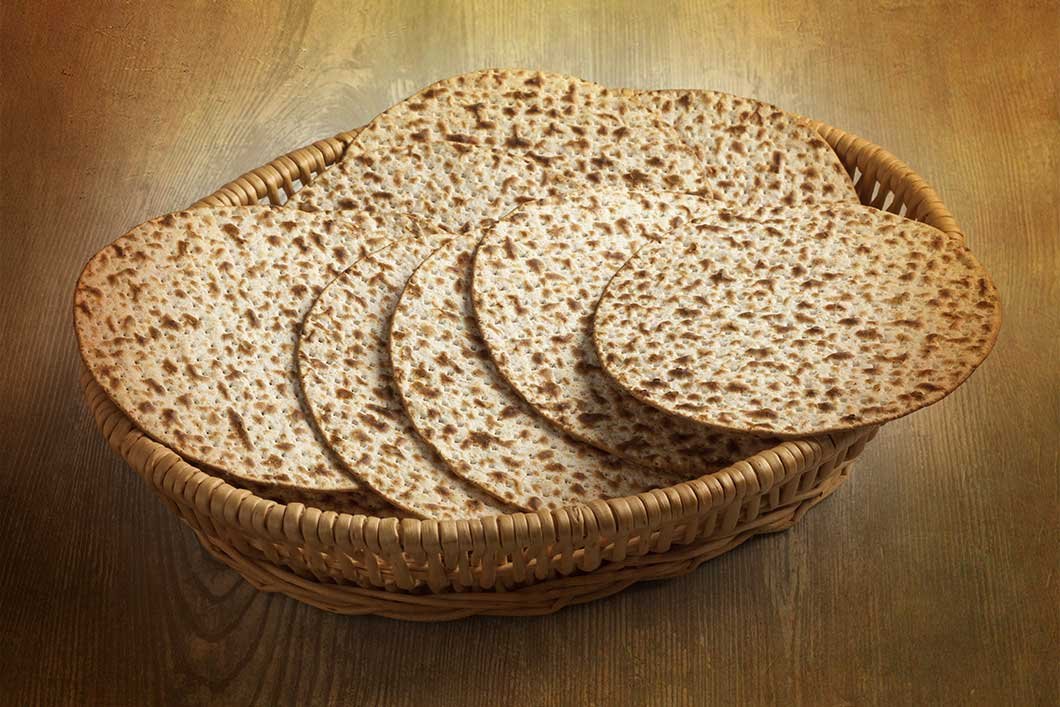
The Feast of Unleavened Bread: What’s It Really About?
The Feast of Unleavened Bread is one of the seven feasts God gave Israel. It comes right after Passover and lasts for seven days.
Why unleavened bread? Because when the Israelites were leaving Egypt, they had to move quickly—no time for dough to rise. But even more than that, God was teaching them something spiritual:
Remove all self-reliance.
Don’t trust in how perfect your dough (or your life) is.
Trust only in the blood of the lamb on your doorposts.
That’s powerful.
And Paul picks up that imagery in the New Testament:
“Christ, our Passover lamb, has been sacrificed. Let us therefore celebrate the festival, not with the old leaven… but with the unleavened bread of sincerity and truth.”
— 1 Corinthians 5:7–8
So What Is the Leaven?
It’s:
- Legalism
- Pride
- Self-reliance
- Hypocrisy
- Boasting in what you’ve done rather than what Jesus has done
It’s saying “I’m holy” because of how well I’ve behaved, rather than saying “I’m holy” because I’ve put my faith in Jesus.
And yes—you are holy, blameless, and perfect in His sight (Colossians 1:22, Hebrews 10:14)—but only because of what He did, not because you finally got it all right.
So… Do You Have Leaven in Your Life?
Are you relying on your own performance?
Boasting in your behavior?
Looking down on others who don’t measure up?
Trusting your record instead of Christ’s?
If so, it might be time to let the Holy Spirit sweep through your heart and clean out the leaven.
Let’s not walk in the old leaven of legalism, pride, or self-trust.
Let’s walk in the unleavened bread of sincerity and truth—humble, honest, and full of faith in Jesus alone.
Continue reading
Previous in the Galatians series: The Secret to a Life Full of the Spirit
Next in the Galatians series: If Paul Was Confident about Galatians, Why was he so Hard on Them?
Related reading:



Leave a Reply