
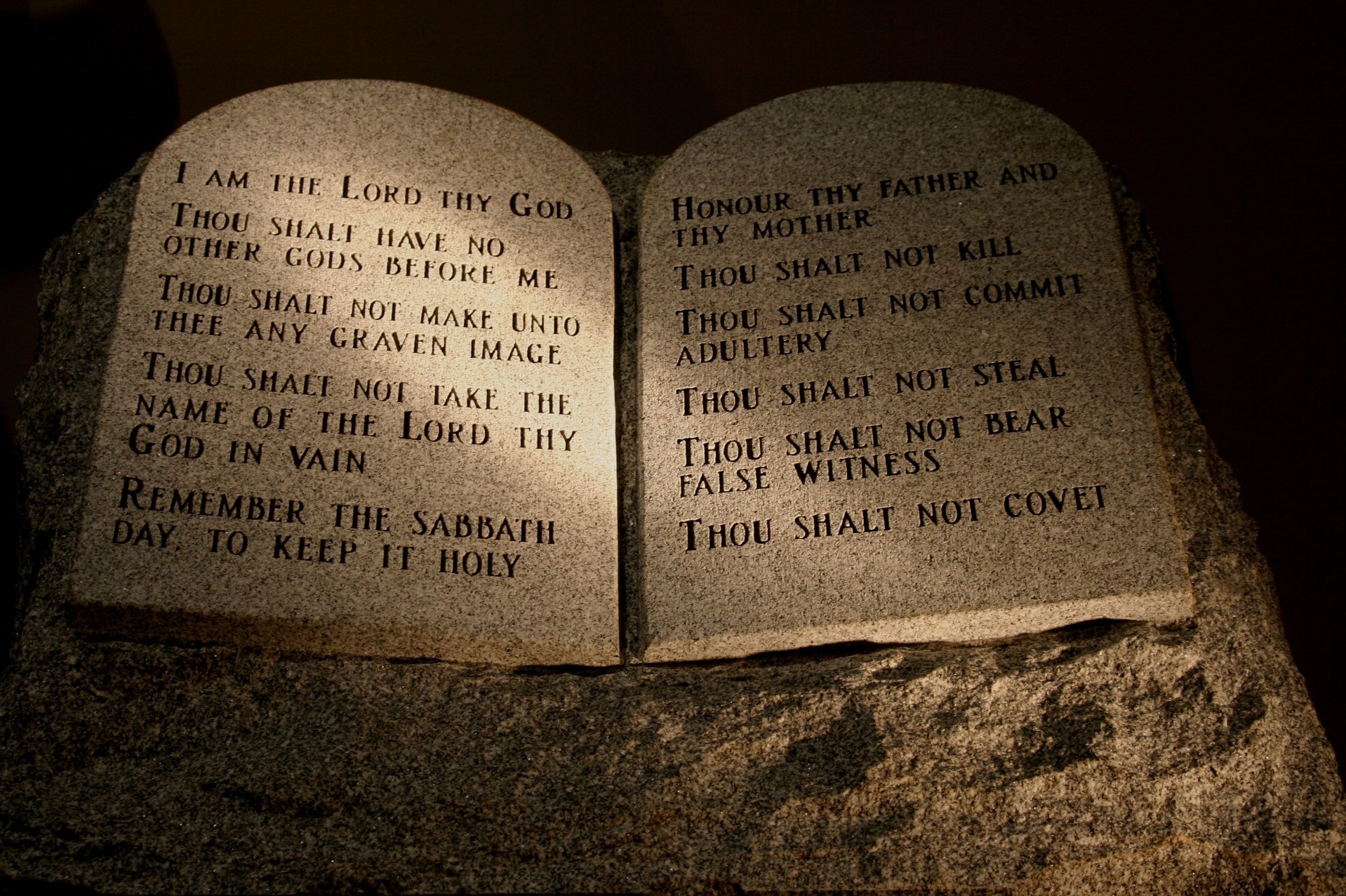
I’m a believer living by the Spirit, but I also feel the pull to keep the law. How can I reconcile these two seemingly conflicting aspects of my faith?
Answer:
This is a question many Christians wrestle with. On the surface, living by the Spirit and keeping the law might appear compatible. However, a deeper look at Scripture—especially Galatians 3:10–14—reveals that the law and the Spirit are fundamentally at odds when it comes to securing righteousness.
The Law and Legalism Versus a Spirit-Led Life
In Galatians 3:10–14, Paul explains that attempting to earn righteousness through the law places us under a curse. The law demands perfect obedience, a standard that our human nature, tainted by the flesh, can never meet. Paul clearly says “the law is not of faith”. When you lean on the law for your righteousness, you are essentially relying on the flesh rather than on the transforming grace available through faith in Christ. This approach is legalism—a mindset that clings to external rules rather than embracing the freedom and inner change that the Spirit offers.
Understanding the Role of the Flesh
Also, living by the law, is living by the flesh. Yep!
Often, “flesh” is associated with overt sins like lust, jealousy, or immorality. Yet, it can also manifest in more subtle ways. For example, think of the concept of “religious flesh”: the idea that your holiness is proven by external markers such as wearing a specific type of clothing or adhering to particular customs. Consider what Paul writes in Philippians 3:3–6, where he warns against placing confidence in our heritage, physical rituals, or even our religious achievements. These things, in themselves, are not inherently wrong. However, whatever we rely on for our identity other than Christ, is of the flesh.
Many believers today might find themselves caught up in cultural or religious practices—like insisting on a specific dress code or avoiding certain adornments—as a means to demonstrate holiness. The problem is that these practices are essentially self-improvement strategies outside of Christ. They suggest that you need to earn or perfect your righteousness through your own efforts. In doing so, you end up walking in the flesh, even if you claim to live by the Spirit.
Can You Live by the Spirit and Follow the Law?
The short answer is no—you cannot live by the Spirit and simultaneously live by the flesh. When you try to keep the law as a means to achieve righteousness, you are relying on your natural, fallen state rather than on the grace of God. The law is a set of external guidelines meant to reveal our shortcomings, not a path to salvation. It’s like clinging to the branch of the tree of good and evil in the Garden of Eden, thinking it represents the good, while missing the true tree of life that Christ offers.
Embracing a Spirit-Led Life
Romans 8:9 clearly reminds us, “You are not in the flesh but in the Spirit, if indeed the Spirit of God dwells in you.” And in Galatians 5:16, Paul exhorts us to “walk by the Spirit, and you will not carry out the desire of the flesh.” These verses underscore that a true Christian life is not about self-improvement through adherence to the law but about allowing the Holy Spirit to transform us from within.
When you embrace your identity in Christ and allow His Spirit to guide you, you naturally produce the fruit of a transformed life—one that doesn’t rely on legalistic measures. Instead of trying to check off rules on a list, your life becomes a genuine expression of God’s love and grace. Just as a parent loves their child without referring to a manual, your faith should flow out of the reality of Christ’s work in you, not from a set of external rituals or legalistic practices.
Conclusion
While the desire to “keep the law” might come from a well-intentioned place of seeking improvement or holiness, it ultimately steers you away from the true freedom found in living by the Spirit. True righteousness and sanctification come from relying on the indwelling Spirit rather than on our own efforts.
By choosing to walk by the Spirit, you embrace a life defined by grace, freedom, and an authentic relationship with Christ—free from the constraints and pitfalls of legalism. Ultimately, the path to true holiness isn’t paved with rules but with the transformative power of God working in you.
Continue reading
Related reading:



Leave a Reply