

I’ve noticed something fascinating about how we, as believers, respond to things—especially on social media or during sermons. What we react to often reveals our true understanding of the gospel.
Think about it.
If you come across a fiery post in the style of Paul Washer—full of rebuke, warning, and “you need to be more holy, more serious, more broken”—many people nod vigorously, hit “like,” and say “Amen.” But when someone posts, “You are the righteousness of God in Christ Jesus. You are loved. God delights in you,” the same people roll their eyes and call it “soft gospel,” “itching ears,” or “feel-good Christianity.”
But let’s pause.
If we actually read the epistles—the post-resurrection letters—what do we see Paul and the apostles emphasizing again and again? Not condemnation, but identity. Not threat, but grace.
“God has said every good thing there is to say about us in Christ Jesus.” — Ephesians 1:3 (paraphrased)
That’s the language of the New Covenant. The message that keeps echoing is: You are righteous, you are loved, you are accepted in Christ.
Two Camps, Same Goal—Different Roads
Both “camps” want holiness. But the difference is in how they think holiness happens.
- Camp 1: believes people must be pushed, corrected, or shamed into being holy—“If you don’t do this, God will…”
- Camp 2: believes holiness flows naturally when people realize how deeply they’re loved by God.
The first approach mirrors the Old Covenant law: trying to shame people into obedience. But that never worked. Paul reminds us in Romans 2:4 that “it’s the goodness of God that leads us to repentance.”
When we truly grasp that God’s love and righteousness are gifts, not rewards, our hearts change. We begin to desire holiness—not to earn love, but because we already have it. Love becomes the motivation, not fear.
The Psychology of Grace
Even modern psychology agrees with this biblical principle.
Behavioral research shows that shame rarely produces lasting change. People who are guilt-driven or fear-driven tend to relapse, hide, or rebel. But when a person’s identity changes—when they believe they are loved, capable, and valued—their behavior naturally follows suit.
In other words, transformation happens when we stop saying, “I must do this to be good,” and start believing, “I do good because I am loved.”
The Real Gospel
That’s the heartbeat of the gospel.
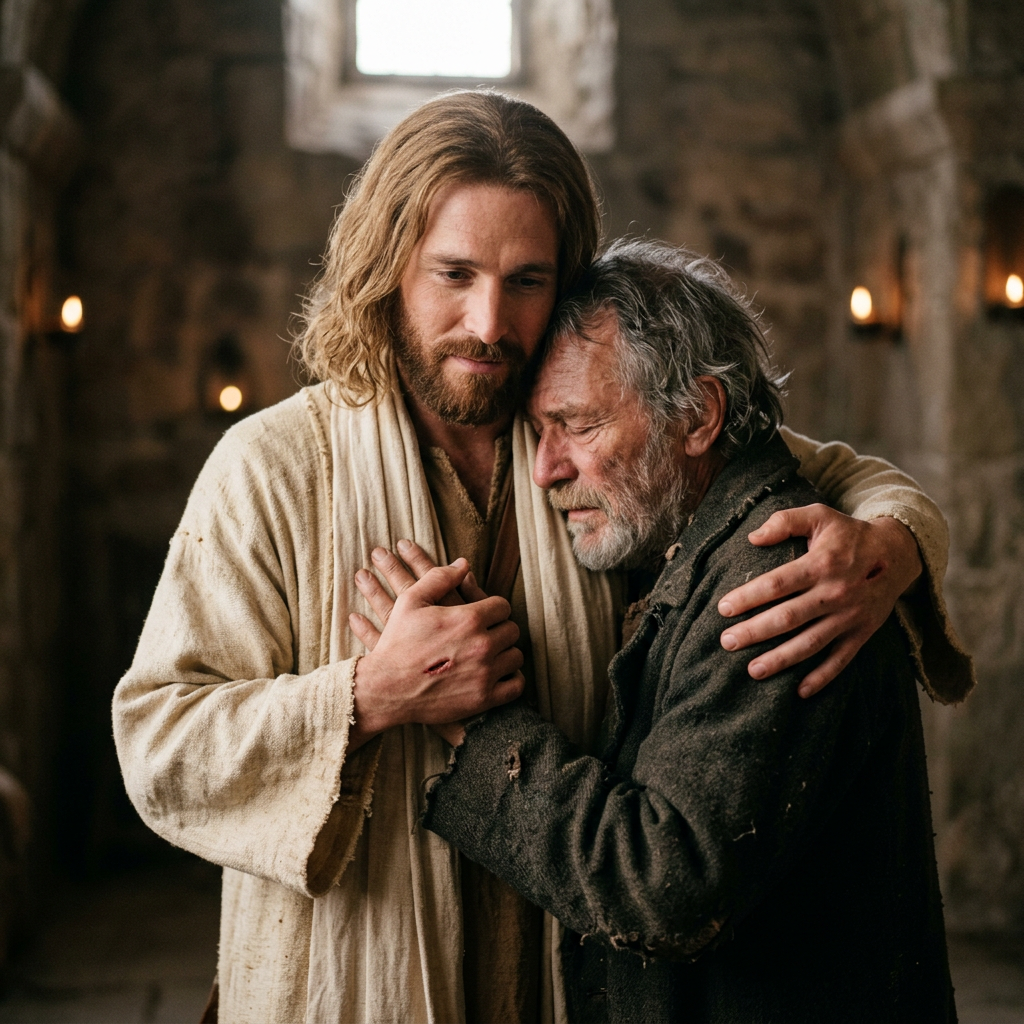
God didn’t save us so we could live under new rules with an old heart. He gave us a new heart. The Holy Spirit doesn’t push us through fear; He draws us through love.
So the next time you find yourself reacting to a post, sermon, or message, ask yourself:
“What does my reaction reveal about my understanding of grace?”
Because in the end, the true gospel doesn’t make you comfortable in sin—it makes you secure in love so that sin loses its grip.
Continue reading
Related reading:


Leave a Reply