
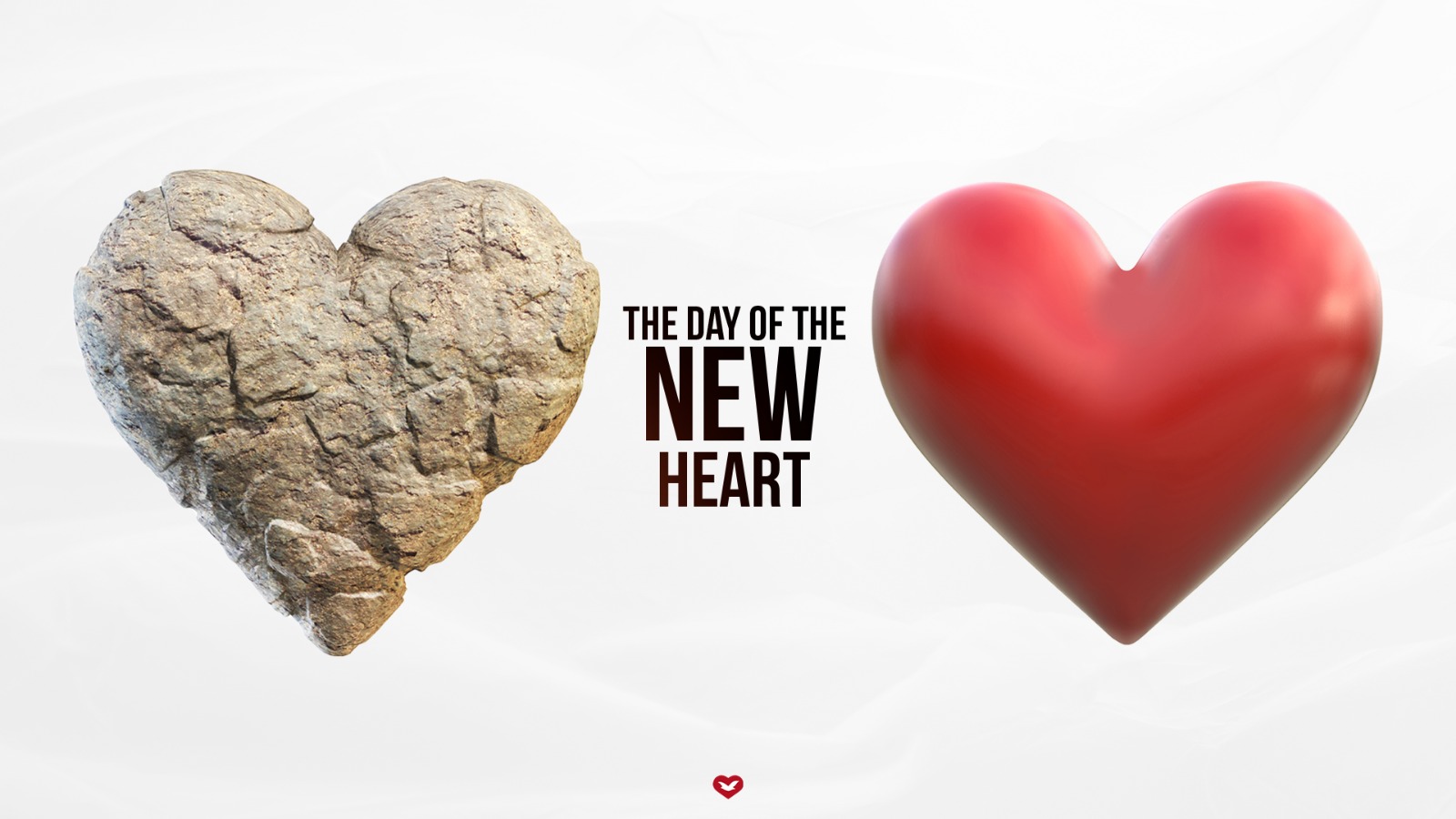
“Beware of the dogs, beware of the evil workers, beware of the false circumcision; for we are the true circumcision, who worship in the Spirit of God and glory in Christ Jesus and put no confidence in the flesh.”
— Philippians 3:2–3 (NASB)
If you’ve ever read Philippians 3 and paused at the phrase “true circumcision,” you’re not alone. Why is Paul suddenly talking about circumcision in the middle of encouraging the Philippian church?
Let’s break it down.
The Old Covenant Circumcision
Circumcision was first introduced by God as a covenant sign with Abraham:
“This is My covenant, which you shall keep, between Me and you and your descendants after you: every male among you shall be circumcised.”
— Genesis 17:10
It became a defining symbol of the Jewish people—a mark in the flesh that identified them as belonging to the covenant.
But over time, this symbol was mistaken for the covenant itself. The physical act became more important than the spiritual truth it was pointing to.
False vs True Circumcision
So when Paul tells believers to “beware of the false circumcision,” he’s confronting a group called the Judaizers—people insisting that Gentile believers needed to be physically circumcised to be saved.
Paul doesn’t hold back. He calls them “dogs” and “evil workers,” not because they were committing obvious immorality, but because they were subtly undermining the gospel by adding works to grace.
To Paul, the insistence on physical circumcision after the cross was no longer a sacred act—it was mutilation. The Greek word he uses in Philippians 3:2 for “false circumcision” is katatomē, which literally means “mutilation.” Strong words.
So What Is True Circumcision?
Paul explains it in Romans 2:29:
“But he is a Jew who is one inwardly; and circumcision is that of the heart, in the Spirit, not in the letter; whose praise is not from men but from God.”
In other words, the real mark that sets a believer apart isn’t in the flesh, but in the heart.
The “true circumcision” are those who are born again believers, the new-creation.
New Creation, Not Old Ritual
Paul doubles down on this idea in Galatians 6:15:
“For neither is circumcision anything, nor uncircumcision, but a new creation.”
The cross didn’t just change the rules—it introduced an entirely new covenant. In this covenant, what matters is not our external religious efforts, but being made new in Christ.
We don’t try to become Israel. We are spiritual Israel—those born of the promise, circumcised in heart, and alive in Christ (see Galatians 4:28).
Final Thought: We Are the True Circumcision
Paul isn’t talking about a better version of Judaism. He’s talking about a brand new humanity in Christ.
So when he says “we are the true circumcision,” he’s reminding us:
We are the people of God—not because of what we’ve done, but because of what Jesus has done. Our confidence isn’t in our flesh, our works, or our religious resume. It’s in Christ alone.
That’s the freedom of the gospel.
That’s what makes us the true circumcision.
Continue reading
Previous in the Philippians series: Should I Rejoice For the Pain?
Next in the Philippians series: Modern Legalism — How Legalism is Rebranded: Phil 3: 2-3
Related reading:

Leave a Reply