

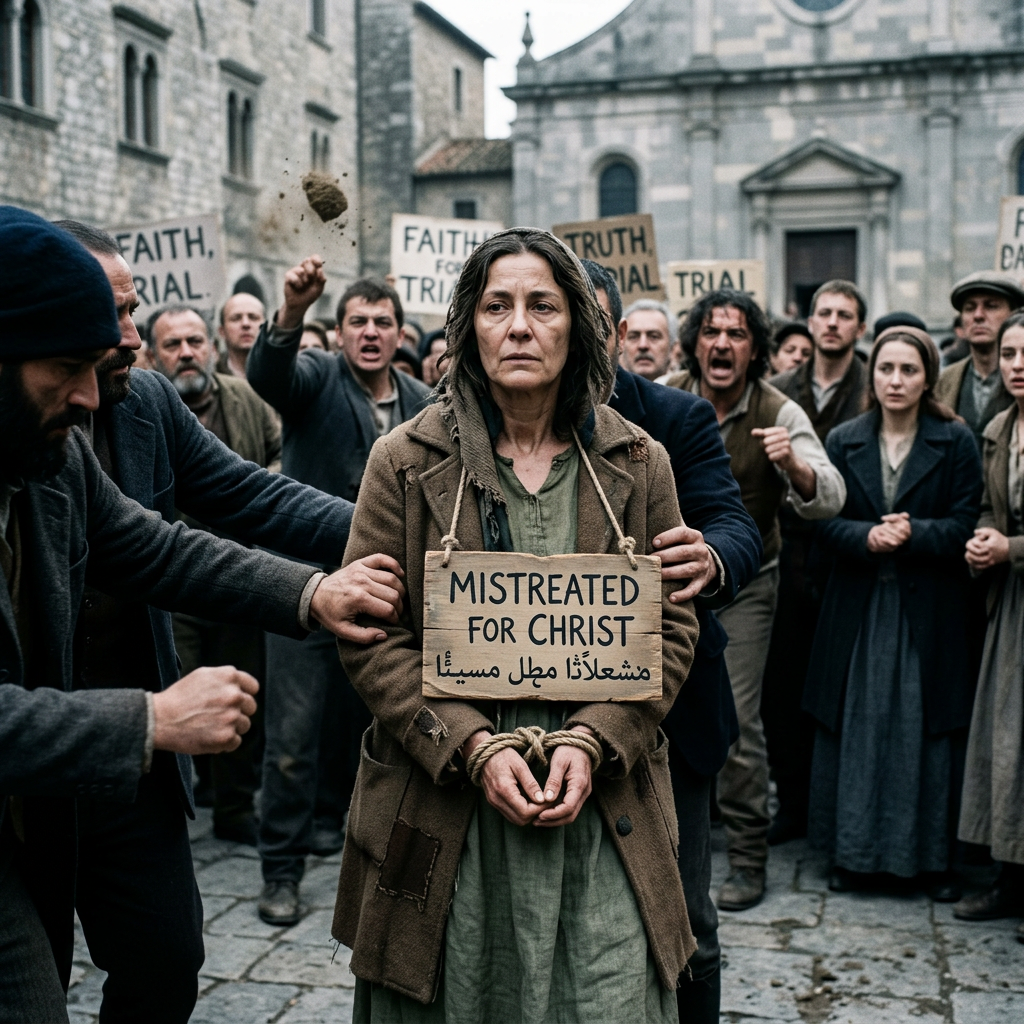
We often assume that sincerity and faith are enough to ensure we’re doing the right thing. But history shows us that even when leaders acted out of deep Christian conviction, their zeal sometimes caused unintended harm. Good intentions without wisdom, humility, and accountability can wound more than they heal.
The Crusades: Zeal Without Mercy
In the 11th–13th centuries, many Christians believed they were serving Christ by liberating the Holy Land. Their passion was real, and some saw it as defending their faith. Yet the result was mass bloodshed, plunder, and hostility that hardened the walls between Christians, Jews, and Muslims for centuries. Zeal without the character of Christ led to violence instead of witness.
Colonial Missions: Faith Mixed with Power
Missionaries in the colonial era often longed to spread the gospel and bring education. Many truly loved the people they served. Yet, tied to imperial power, missions sometimes destroyed languages, cultures, and traditions in the name of “civilizing.” The gospel became entangled with oppression. What began with faith often ended in brokenness.
Prohibition: Morality Without Discernment
In the 1920s, Christians in the U.S. campaigned to ban alcohol. Their aim was noble—protect families from poverty and abuse. But the unintended outcome was organized crime, corruption, and violence on a scale far worse than before. A moral movement, without careful wisdom, became a national crisis.
Residential Schools: “Saving” at the Cost of Souls
Church-run schools for Indigenous children in Canada and the U.S. claimed to rescue children spiritually. Some leaders thought they were offering a better future. Yet the reality was cultural genocide, abuse, and generational trauma. Instead of the love of Christ, children experienced rejection of their God-given identity.
Revival Movements Gone Wrong: Fire Without Love
Throughout history, revival preachers and charismatic leaders sought to bring people closer to God. Many were sincere. But without accountability, some used fear, control, or manipulation, leading to spiritual abuse. Their passion for holiness produced more bondage than freedom.
A Biblical Reminder
Paul once wrote about his fellow Israelites:
“They have zeal for God, but not according to knowledge.” (Romans 10:2)
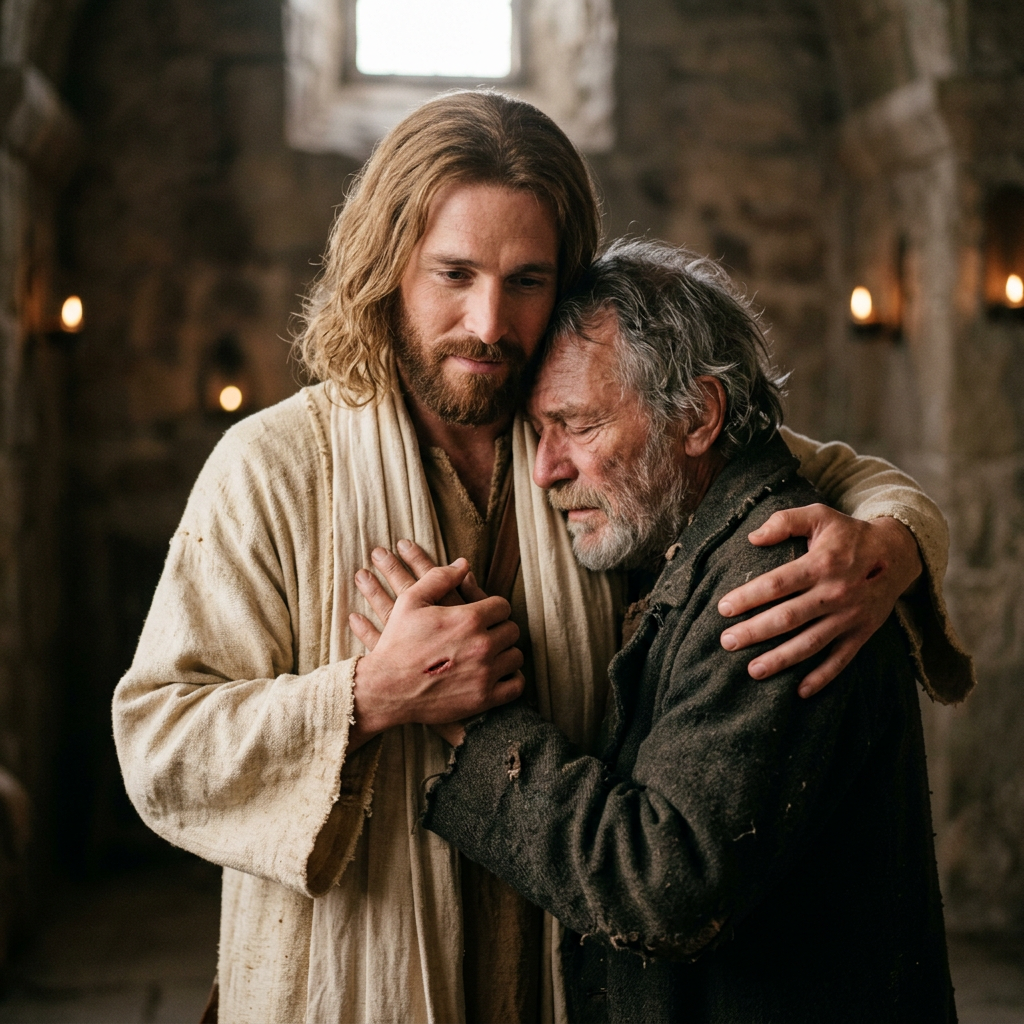
Zeal without wisdom leads to harm. Good intentions are not enough—we must measure our actions by the heart of Christ. Jesus embodied grace, truth, and humility. He never crushed the weak or exploited the vulnerable.
A Modern Parallel: When Faith Becomes Culture War
Today, many Christians want to defend truth in the public square. The intention can be good: to stand for morality, protect families, or preserve Christian values. But sometimes, faith becomes entangled with politics or culture wars in such a way that Christ’s love is obscured.
When believers spend more time fighting ideological enemies than loving their neighbors, the gospel gets replaced by partisan agendas. Outsiders see anger and division, not the compassion of Christ. The result is that people are driven further from Jesus, even though the original intent was to draw them closer.
What We Can Learn Today
- Check motives: Am I seeking God’s glory or my own agenda?
- Seek accountability: Even Paul corrected Peter when he erred (Galatians 2:11).
- Value love over zeal: Passion without love is just noise (1 Corinthians 13:1).
- Remember unintended consequences: Ask, “Could this good idea hurt someone in ways I don’t see yet?”
Good intentions must be joined with the Spirit’s wisdom. Otherwise, in our attempt to build the kingdom, we may actually tear down lives.
Continue reading
Related reading:

Leave a Reply