

When we think of church today, it’s often a place with open doors—literally and figuratively. Anyone can walk in on a Sunday morning, grab a coffee, sing some songs, and hear a message. Whether you’re a lifelong believer, a seeker, or someone just curious, you’re welcome. But if we rewind 2,000 years and peek into the first-century church, things looked very different.
So here’s the big question:
Was the early church exclusive? And if so, are we doing it wrong today by being so inclusive? Or are we doing it right?
There are people who say that church should be exclusive to believers and some others who say that church should be open to all.
The Early Church: A Believers-Only Gathering?
From what we read in the book of Acts and early church history, the gatherings of believers in the first century were often small, secret, and centered around shared faith in Jesus. They met in homes, broke bread, studied the apostles’ teaching, prayed, and supported one another in very practical ways (Acts 2:42–47).
But here’s the thing—these meetings were primarily for believers. The church was more like a family gathering than a public event. They were bound together by shared belief, shared mission, and often, shared suffering.
Was It Because of Persecution?
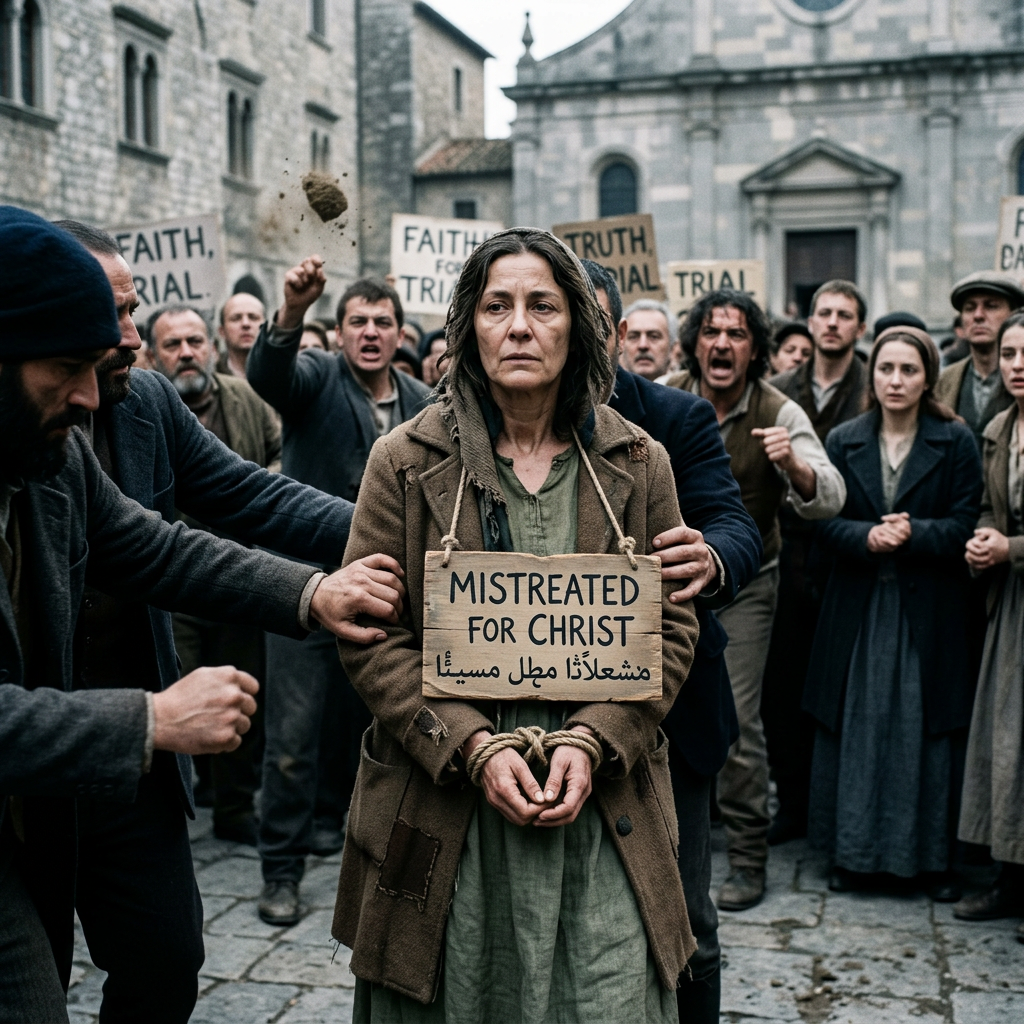
Absolutely. The early church existed in a hostile environment. Christians were seen as a threat by both the Jewish authorities and the Roman Empire. Being open about your faith could get you kicked out of your community—or worse, killed. So naturally, meetings were cautious and often private.
They likely had people who were interested, but in a time of persecution, you won’t see a sign board that says “all are welcome”
So was it exclusivism based on conviction—or just survival? Likely, a bit of both.
What About Evangelism Then?
Great question. Evangelism didn’t happen primarily inside church gatherings. It happened outside—in the marketplaces, in conversations, in homes. The church gathered to be equipped and encouraged—and then scattered to spread the gospel.
Think about it: the Great Commission wasn’t “invite people to church so they can hear a sermon.” It was “Go and make disciples” (Matthew 28:19). That mission was personal and communal—not event-driven.
Today’s Church: Open Doors, Open Arms
Fast forward to today, and churches in most parts of the world enjoy religious freedom. And with that freedom, we’ve opened our doors wide. Now, we encourage unbelievers to attend, explore, ask questions, and even belong before they believe. That’s a beautiful thing.
But here’s the caution: when the church becomes a space catered entirely to the outsider, the insider can be forgotten. If the gospel is watered down for comfort, or if discipleship takes a back seat to entertainment, we drift from the early church model.
So What’s the Right Way?
There’s wisdom in both models. The early church was exclusive for good reasons. But it was never inward-focused—it was mission-driven. Today’s inclusive model can be powerful if it doesn’t lose the backbone of discipleship and gospel truth.
We don’t have to be rigid about church. It’s the heart that matters. Whether the Sunday service is open to outsiders or not, it’s important that at least one meeting should be there to study the Word and be equipped.
In Conclusion
Church today doesn’t have to be a copy-paste of the first-century model—but it should be inspired by it. Let’s keep our gatherings focused on Jesus, our mission clear, and our hearts open. After all, the early church turned the world upside down—not with programs or polished sermons—but with truth, love, and a deep sense of community.
Continue reading
Related reading:

Leave a Reply