

If you spend even five minutes on Christian social media these days, you’d think that Jesus was running for Prime Minister, and Peter was His campaign manager.
It’s strange how tightly Christianity and politics have become intertwined. For many people today, being a Christian is tied up with a specific political party or ideology. Protests, petitions, calls for revolution—it’s all in the mix.
But when you crack open your Bible, it’s kind of shocking to realize:
Jesus and His disciples didn’t play that game.
So… how did we get here? And more importantly, what should our response be?
1. The Early Church Had Every Reason to Protest—But Didn’t
Let’s start with context. Jesus and His disciples lived under the Roman Empire—a brutal, corrupt, oppressive regime that taxed people to the bone and violently crushed dissent.
If anyone had a reason to rally, march, and overthrow a system, it was them. But what did they do?
Peter didn’t organize a march to Caesar.
John didn’t start a “Free Palestine” movement.
Paul didn’t write letters demanding regime change.
Instead, they taught things like:
“Submit yourselves for the Lord’s sake to every human authority… whether to the emperor, as the supreme authority…” (1 Peter 2:13–17)
“Let every soul be subject to the governing authorities. For there is no authority except from God…” (Romans 13:1)
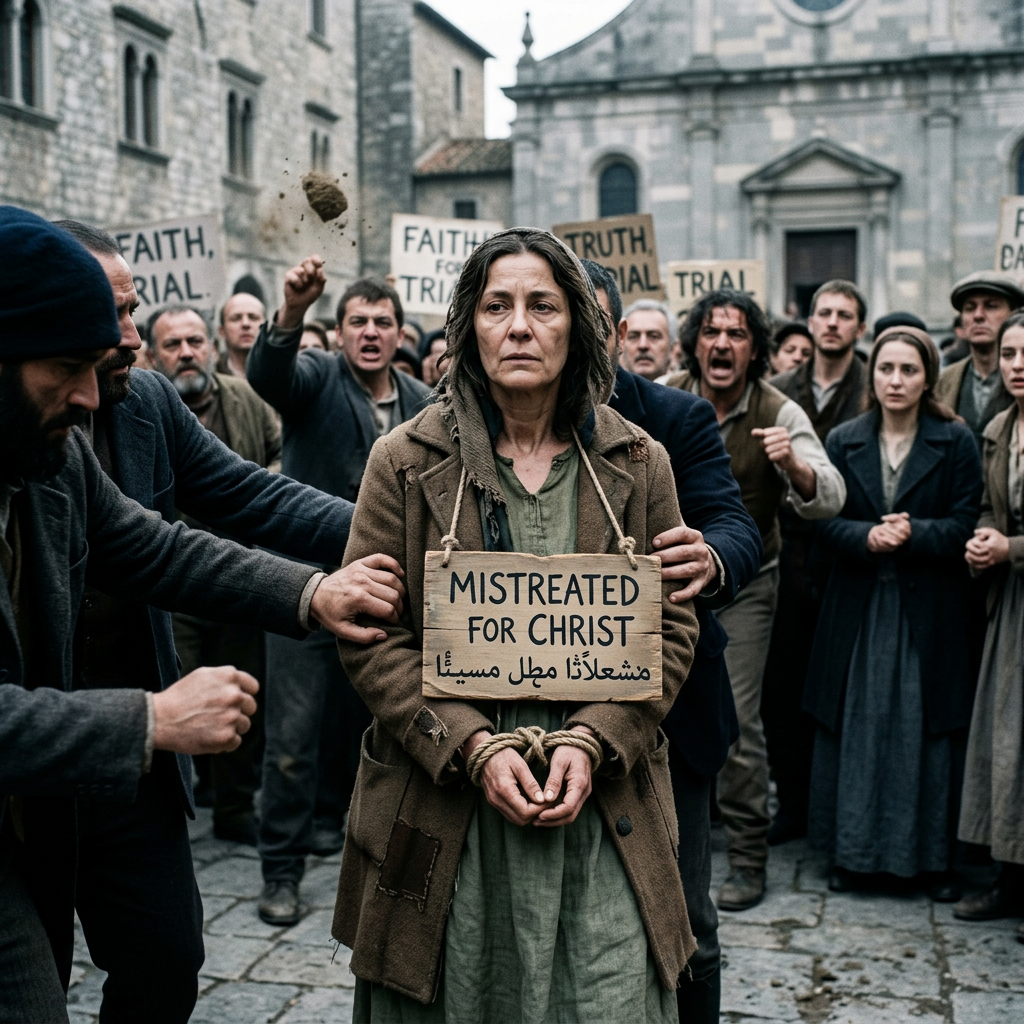
Wait—what?! These guys were being beaten, imprisoned, and killed… and their advice was to honor the emperor?
Yeah.
Because their mission wasn’t political. It was eternal.
2. But They Did Speak Truth—With Respect
Now here’s where it gets interesting. Even though the disciples honored authority, they weren’t silent.
Peter and John, when ordered to stop preaching Jesus, respectfully said:
“We must obey God rather than men.” (Acts 5:29)
They didn’t riot. They didn’t hurl insults. They just kept doing what God told them to do, even when it went against the rules of the land.
Paul? He called out injustice too. When Roman officials illegally beat him, he didn’t rage—he simply reminded them he was a Roman citizen and calmly demanded justice (Acts 16:37).
So yes, you can speak up, especially when there’s injustice. But the tone and motive matter. The disciples didn’t speak out of anger or pride. They spoke from conviction—and with humility.
3. What About Us Today?
We’re not living in first-century Rome. But we are living in polarized times. It’s easy to get sucked into debates, outrage, and identity politics.
But if we’re followers of Jesus, our posture should mirror that of the early church:
- Respect authority—even the flawed ones.
- Speak truth—without being toxic.
- Keep the gospel central—not your politics.
Remember, Paul didn’t tell Timothy to protest Nero. He said:
“Pray for kings and all who are in authority, that we may lead a quiet and peaceable life…” (1 Timothy 2:1–2)
Notice the goal? Peaceful living, not constant outrage.
4. Christianity Is Not a Political Movement
Let’s be real: Jesus didn’t die for us to vote the “right” way. He didn’t come to start a Christian government. He came to set hearts free.
The disciples understood that. That’s why they didn’t chase power or position. They didn’t spend their time trying to take over the empire—they spent it preaching a Kingdom that’s not of this world (John 18:36).
Their lives were about influence, not infiltration.
So yes, be involved. Vote. Have convictions. But don’t forget who you are:
An ambassador of Christ—not a defender of a party.
Final Thought
You can love your country without idolizing it.
You can speak truth without being disrespectful.
And you can follow Jesus without getting entangled in every political fight.
The disciples knew where their hope was. It wasn’t in Caesar or politics.
It was in a risen King whose throne is forever.
Let’s live like we believe that too.
Continue reading
Related reading:

Leave a Reply