

There is a quiet truth in leadership that many of us don’t say out loud:
We often love the church as much as we love the people who contribute to its growth.
Not intentionally. Not consciously.
But subtly… practically… it shows.
My Story: When Value Changed Perception
I’ve seen this from both sides.
I’ve led worship.
I’ve co-pastored.
I’ve taught.
I’ve led youth and young adult groups.
And I’ve noticed something unsettling.
When people didn’t know what I did…
I was just another person.
But when they found out?
The tone changed.
The engagement changed.
The warmth increased.
Suddenly, I was “valuable.”
And that’s when it hit me:
Was I more loved… or just more useful?
The Hidden Metric: Contribution
In many churches, we don’t measure people by appearance—we measure them by contribution.
But Scripture calls us to something deeper.
What Is “Love” Really? (ἀγάπη — Agapē)
When the New Testament speaks about love, it often uses the Greek word:
ἀγάπη (agapē) — self-giving, unconditional love that seeks the good of the other, regardless of return
This is not:
- Emotional affection
- Natural liking
- Mutual benefit
This is a decision of the will.
“Love (agapē) is patient, love is kind…”— 1 Corinthians 13:4
Agapē does not ask:
- What can this person do for me?
- How do they advance the mission?
It asks:
- How can I give myself for them?
The One Who Contributes the Least
What about:
- The quiet member
- The socially distant
- The one who never serves
- The one who drains more than they give
Here is the real test:
Do we agapē them?
The Body and the “Weaker” Parts (ἀσθενέστερα — Asthenestera)
“Those parts of the body that seem to be weaker are indispensable.”— 1 Corinthians 12:22
The word “weaker” comes from:
ἀσθενής (asthenēs) — weak, without strength, lacking ability, powerless
Paul is not sugarcoating this.
He is literally saying:
- The ones who appear least capable
- The ones who seem to offer least strength
Are indispensable.
The Greek word for indispensable:
ἀναγκαῖα (anankaia) — necessary, essential, unavoidable
So the people we may subconsciously overlook…
God calls essential.
The Sin We Don’t Notice (προσωπολημψία — Prosōpolēmpsia)
James confronts something uncomfortable:
“Have you not shown partiality…?” — James 2:4
The Greek word:
προσωπολημψία (prosōpolēmpsia) — favoritism, receiving someone based on external value or status
Break it down:
- πρόσωπον (prosōpon) — face, outward appearance
- λαμβάνω (lambanō) — to receive or accept
Literally: “to receive based on the face”
We often think this applies to:
- Wealth
- Status
- Appearance
But what about:
- Spiritual usefulness?
- Ministry productivity?
- Perceived value to the church?
If we treat people differently based on these…That is still prosōpolēmpsia.
Jesus and the “Unproductive”
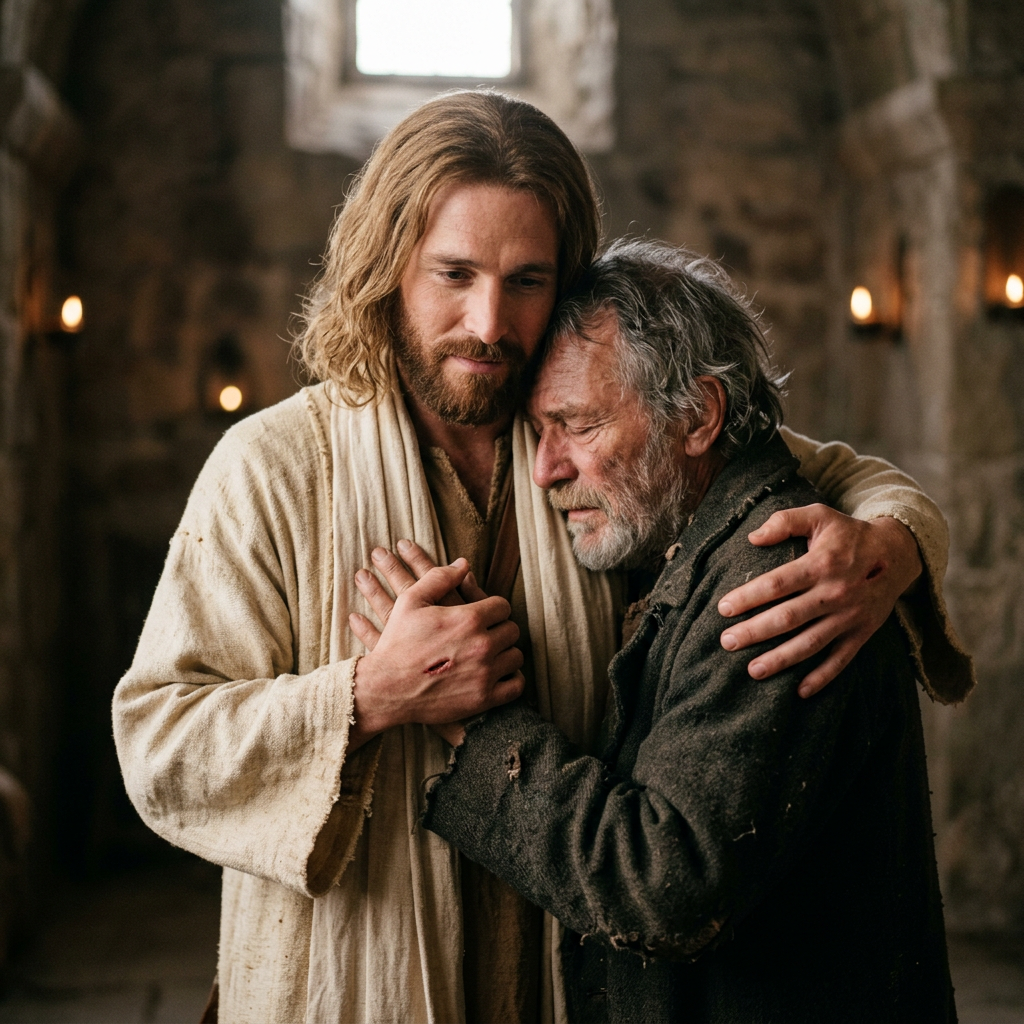
Jesus consistently loved those who added nothing to His mission.
Why?
Because His love was not transactional.
Grace vs Contribution (χάρις — Charis)
At the heart of the Gospel is:
χάρις (charis) — grace, unearned favor, freely given kindness
Grace operates like this:
- Not earned
- Not deserved
- Not based on performance
If God related to us based on contribution…
None of us would qualify.
“While we were still sinners, Christ died for us.” — Romans 5:8
Leadership Reveals Theology
How we treat people reveals what we believe about grace.
If we:
- Prioritize the gifted
- Invest in the productive
- Gravitate toward the useful
Then practically, we are saying:
Value is tied to contribution.
But the Gospel says:
Value is tied to Christ.
The Inconvenient Mirror
The “least contributing” person in your church is not an obstacle.
They are a mirror.
Revealing:
- Whether your love is agapē
- Whether your leadership reflects charis
- Whether you practice prosōpolēmpsia
Redefining Leadership
True leadership is not:
- Efficiency
- Growth
- Optimization
It is this:
To love (ἀγαπάω — agapaō) people with no expectation of return.
Even when:
- It is inconvenient
- It is unseen
- It is not reciprocated
Final Reflection
If every “useful” person left your church…
Would your love remain?
Because at the end of the day:
We don’t truly love the church if we only love what it produces.
We love the church…
when we agapē even the ones who seem to contribute the least.
Continue reading
Related reading:


Leave a Reply