

Recently, I’ve been reading The Heart of the Artist by Rory Noland—a book my worship leader recommended. It’s been a rich read so far, and in a previous blog I shared some insights from it about managing emotions in ministry.
This time, I want to focus on Chapter Eight, which talks about leading artists—that is, the leaders themselves. And as someone who’s served as a worship pastor for years—in both Europe and Canada—the chapter hit very close to home.
When Ministry Hurts
In 2024, I stepped down from my role as a worship pastor. I did so on my own, because I just had enough of everything.
Everything seemed fine in the beginning. I was building a faithful core team, scheduling them regularly, and pouring into them as leaders. But then a scandal hit our small church.
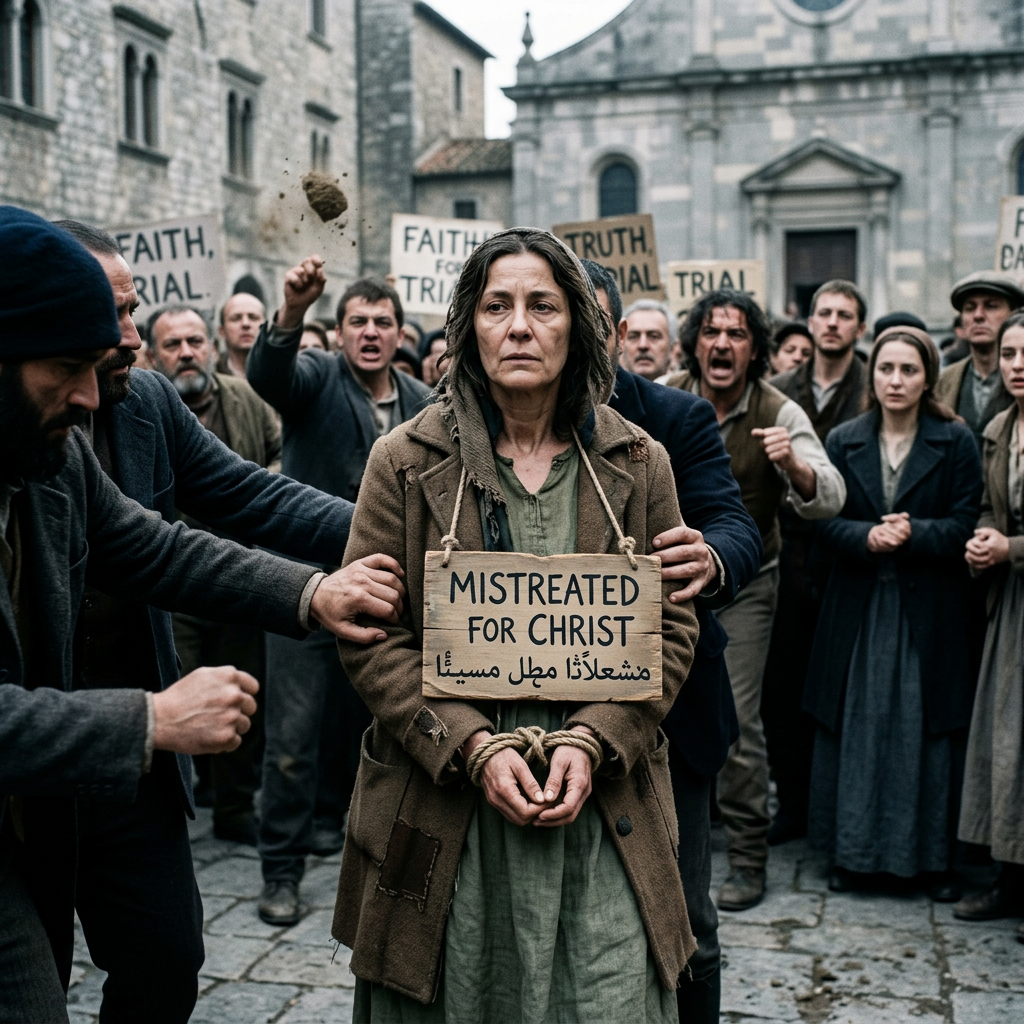
As one of the deputy pastors, I had to step in and help navigate the situation. What shocked me wasn’t just the incident itself—it was how many in my team and congregation sided with the offender, alienating those of us in leadership who were defending the one who had been wronged. I experienced “rejection”.
We stood up for the vulnerable because that’s what shepherds do. But the emotional toll was heavy. Soon after, I lost the will to lead. I still loved worshiping God, but I didn’t want to lead anyone anywhere. Even when my pastor asked me to preach, I refused. Preaching felt like leadership—and I wanted nothing to do with it.
The Weight Leaders Carry
In the book, Rory shares the story of a man named Tyler. Tyler told his therapist, “I love my pastor, but it seems like I only hear from him when he’s upset with me.” That resonated with me deeply.
As leaders, we often hear the complaints long before we hear the encouragement:
- “The worship was too loud.”
- “That song wasn’t done well.”
- “The quality has dropped.”
I remember scheduling a youth to co-lead worship with me. My goal was to help them grow spiritually and gain confidence in leading. Of course, it wasn’t perfect—but it was intentional discipleship. Still, the complaints rolled in.
And it’s exhausting. Ministry isn’t just about planning services—it’s about absorbing a constant stream of feedback, much of it negative, while still trying to love and shepherd people.
Loving People Anyway
I’ve heard some leaders say, “I love God, but I hate people.” That’s not biblical. Scripture makes it clear—you cannot love God and hate your brother (1 John 4:20). God loves people so much that He gave His Son for them. If we love Him, we must love who He loves.
Loving people doesn’t mean they’ll be easy to lead. Leadership is not for the faint of heart. The book points out that leadership often involves left-brain skills—strategic planning, problem-solving, logical decision-making—while artists tend to be more right-brain: creative, instinctive, and non-linear. This tension can make leadership even more challenging.
Giants in the Land
Leadership is a calling. Like the Israelites entering the Promised Land, we’ll face giants and fortified cities. That doesn’t mean God hasn’t given us the land—it means we’ll need courage to take it.
You don’t have to respond to every criticism. You do have to love people and lead them as Jesus would. Be proactive, not just reactive. Step into the role God’s given you, even if you don’t fit the world’s stereotype of a leader.
If you lead a ministry, you’re a spiritual leader—embrace that mantle. As 1 Peter 5:2 says, “Be shepherds of God’s flock that is under your care.”
Servant Leadership
True leadership isn’t about getting ahead—it’s about stepping back to let others shine. It’s about being gentle, sensitive, and genuinely interested in the people God has entrusted to you.
And remember: just because ministry is difficult doesn’t mean God isn’t in it. Difficulty is not the same as disqualification.
So go into ministry with eyes wide open. Expect the challenges. But also expect that Jesus will be with you—encouraging, guiding, and helping you every step of the way.
Continue reading
Related reading:


Leave a Reply