

Somewhere along the way — especially in Western Christianity — we absorbed a political idea and baptized it with spiritual language.
The idea goes something like this:
The primary role of Christians is to make sure society is godly.
That law and order prevail.
That systems reflect Christian values.
And honestly — that sounds wonderful.
Who wouldn’t want a just society?
But if you think that is your primary calling as a believer, you’ve misunderstood the gospel.
Two Kinds of People in a Fallen World
Since the fall, everyone has fallen short of the glory of God.
No exceptions.
The only reason any of us stand righteous today is because of Jesus — through faith.
That means the world now consists of two kinds of people:
- Those who are new creations in Christ
- Those still trapped in sin, brokenness, injustice, and confusion
Not “good people versus bad people.”
Redeemed people versus wounded people.
And that distinction matters.
Because if righteousness came by law, then law would fix the world.
But it didn’t.
And it never will.
The Gospel Is God’s Justice Story
Paul writes:
“For I am not ashamed of the gospel, for it is the power of God for salvation to everyone who believes… For in it the righteousness of God is revealed from faith to faith.” — Romans 1:16–17
That word righteousness (Greek: dikaiosynē) also means justice.
Let that sink in.
The gospel is not merely about forgiveness. It is about God setting things right.
Paul continues:
“So that He might be just and the justifier of the one who has faith in Jesus.” — Romans 3:26
God doesn’t fix injustice by crushing sinners.
He fixes injustice by transforming hearts.
This is restorative justice.
Healing justice.
Redemptive justice.
Not condemnation.
We Are Priests — Especially for the Unbelieving World
Scripture tells us we are a royal priesthood.
Priests don’t exist for themselves.
They exist for others.
We are conduits through which God’s justice flows into broken lives.
We are children of Abraham — blessed to be a blessing.
That means our worldview must shift:
Not “How do we protect ourselves?”
But:
“How do we uplift the people around us?”
Heaven Was Never Meant to Make Us Earthly Irrelevant
Some believers retreat into spirituality so completely that real-world suffering becomes background noise.
I once heard a story of a protest happening outside a church over alleged injustice by a pastor. A congregant walked out and was asked what the protest was about.
He shrugged and said:
“I don’t know. I’m going to heaven.”
That sentence says everything.
When heaven becomes our only concern, earth becomes expendable.
But Scripture says everything we’ve been given for life and godliness is meant to transform the world around us.
Not isolate us from it.
We’re Better at Diagnosing Problems Than Loving People
Yes — there are serious moral issues in our culture.
Abortion.
Sexual brokenness.
Corruption.
Violence.
These matter.
But the way of Jesus was never:
“Identify sinners and keep them out.”
Jesus lived in a society filled with injustice.
And what did He do?
He moved toward people.
He ate with them.
He listened to them.
He touched the untouchable.
He called out injustice — but always from love.
He didn’t build walls.
He built bridges.
What If It Was Your Child?
It’s easy to speak harshly about “those people.”
But imagine someone living a lifestyle you disagree with moves next door.
Now imagine it’s your own child.
What would you do?
Would you start with condemnation?
Or would you start with love?
That question exposes everything.
Protecting God vs Revealing God
We often act like God needs defending.
So we build fortified Christian spaces.
Safe zones.
Echo chambers.
We call it “preserving godly values.”
But the more walls we build, the more fear grows.
Jesus showed a different way:
Hatred dissolves through presence.
Light spreads through proximity.
Transformation happens when we get our hands dirty and walk with real people through real pain.
I include myself here.
I also assess risks.
I also feel the pull toward comfort.
But Jesus didn’t redeem us to live insulated lives.
The Emotional Economy of Relationships
Every relationship — family, church, workplace — operates within what Daniel Goleman calls an emotional economy.
Every interaction shapes atmosphere.
People carry unspoken prayers:
- Believe in me.
- Encourage me when I want to quit.
- Remind me who I am.
- Help me become who God intended.
Even difficult people — what John Ortberg famously calls “porcupine people” — still long for connection.
Proverbs says:
A word fitly spoken is like apples of gold in settings of silver.
One compassionate sentence can change a life.
Truth Without Love Repels
When we encounter people trapped in immorality, we don’t need to beat them with Scripture.
We need to show them the beauty of life in the Spirit.
Grace first.
Truth follows.
Love opens ears.
A Story That Should Break Us
In What’s So Amazing About Grace?, Philip Yancey tells of a prostitute who was homeless, addicted, and even renting out her own toddler to survive.
When he asked if she had considered going to church, she replied:
“Church? Why would I ever go there? I already feel terrible about myself. They’d just make me feel worse.”
That should devastate us.
If the people most in need of grace see church as the last place they could turn, something is deeply wrong.
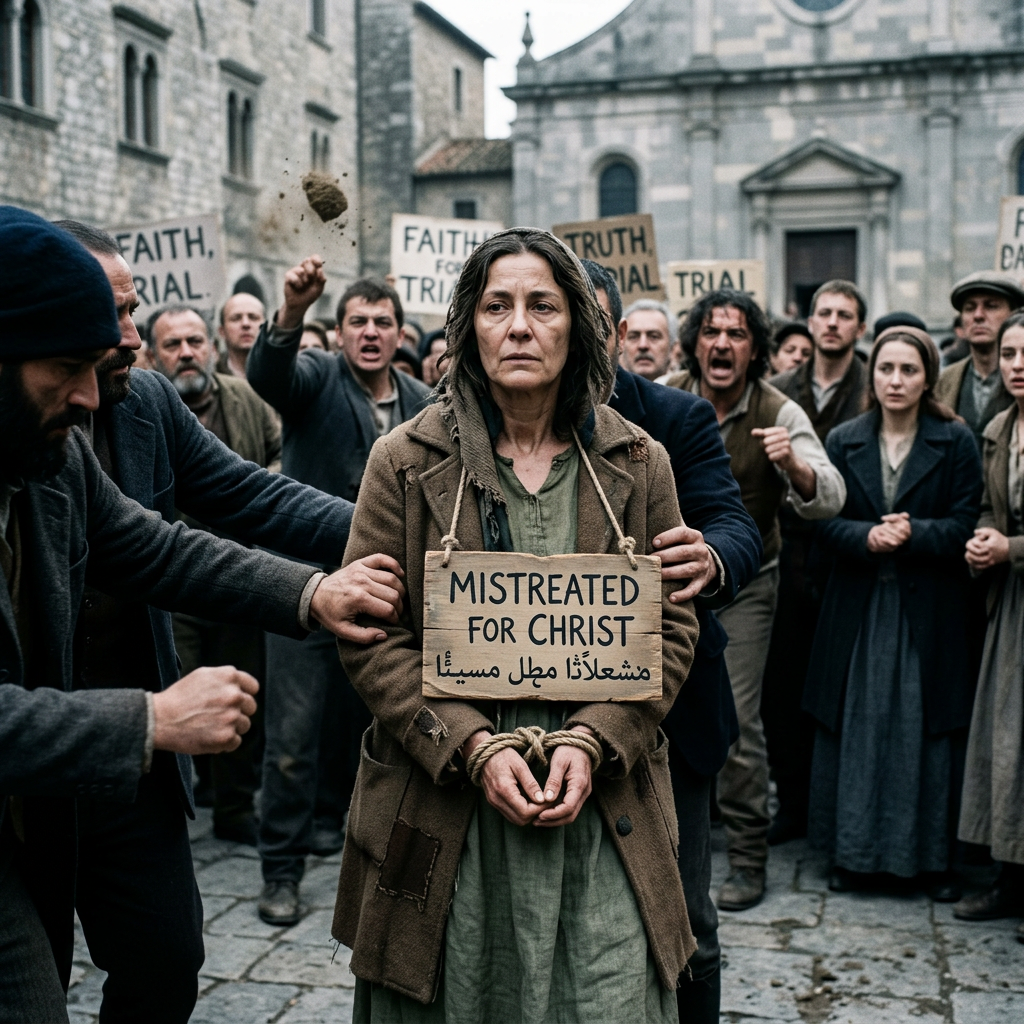
If the world knows us more for condemnation than compassion, we’ve missed Christ entirely.
Jesus never minimized sin.
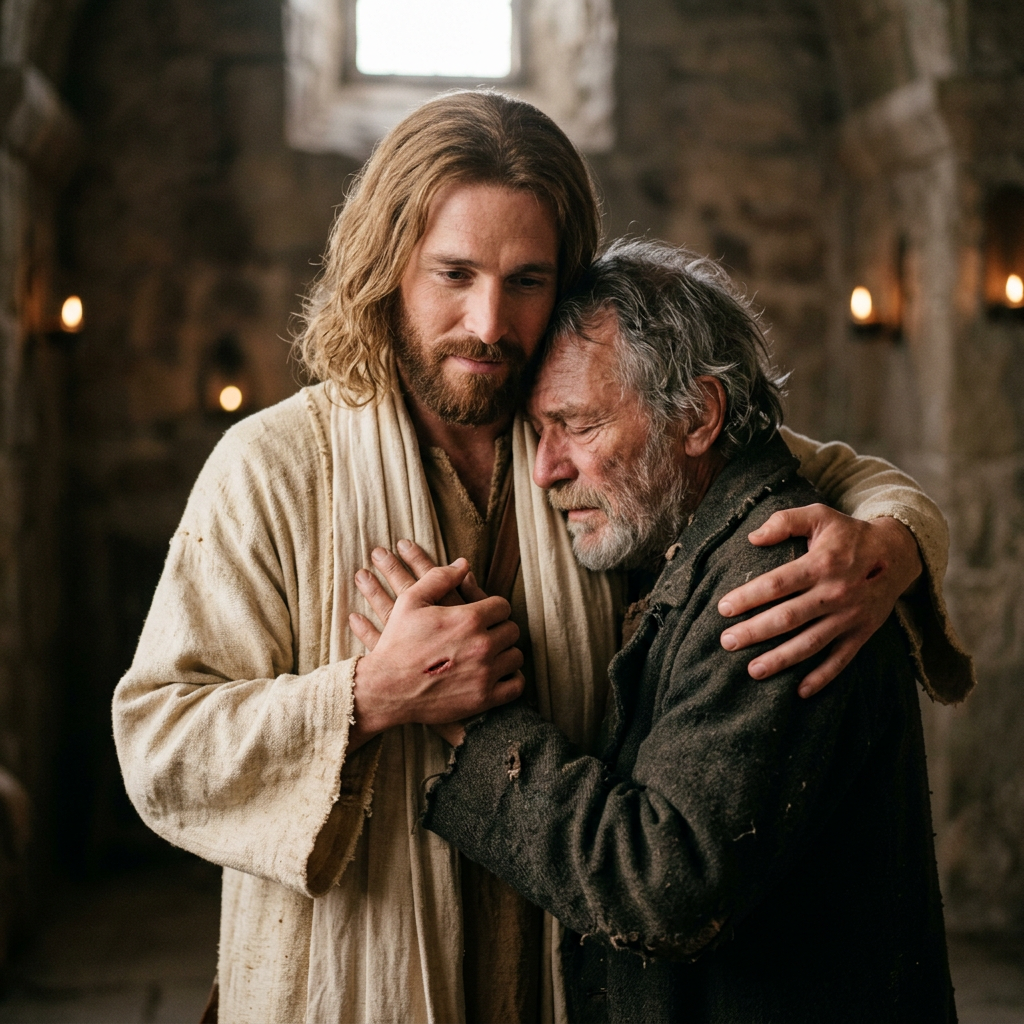
But He also never crushed sinners.
He defended them from shame.
He wept with them.
He healed them.
Then He gently invited them into new life.
Judgment without love is not holiness.
It’s distortion.
We Were Meant to Change the World — Not Retreat From It
Too often we create Christian territories and say:
Everything is good inside.
But not you.
That is not the gospel.
The gospel sends us outward.
Christ didn’t save us so we could form spiritual compounds.
He saved us so His life could flow through us.
Final Thoughts
The mission of the Church is not to manufacture a moral society.
It is to reveal a merciful Savior.
We don’t change the world through legislation first.
We change it through incarnation — Christ living in us, and morality will follow.
We live in a broken place ridden with troubles and devastations. We are the balm of the world, giving healing for them emotionally, spiritually and physically. When they realize that the truth of the gospel, they will change. Remember when a Roman soldier who Christ didn’t lecture or call out, still said “He was a good man” (Luke 23:47)
Let’s stop building fortresses.
Let’s start building tables.
Let’s be known for compassion before correction.
Because Jesus didn’t come to protect a system.
He came to restore people.
And that is how real justice enters the world.
Continue reading
Related reading:

Leave a Reply