

(Romans 12:1–2)
“I beseech you therefore, brethren, by the mercies of God, that you present your bodies a living sacrifice, holy, acceptable to God, which is your reasonable service.”
— Romans 12:1–2
We often pray, “Lord, make me serve You. Lord, help me surrender. Lord, take control.”
It sounds humble, but sometimes that prayer masks something else — a quiet attempt to hand back what God already placed in our hands.
Paul’s words in Romans 12 make this crystal clear: we are the ones who must present our bodies as living sacrifices.
God won’t do it for us. He won’t bypass our will. He invites us to bring ourselves willingly.
The Prayer God Won’t Answer for You
Some of us ask God to do what only we can do.
We want Him to “make us holy,” “make us obey,” “make us serve,” but the truth is, He has already given us everything we need — His Spirit, His Word, and His grace.
What He’s waiting for is our response.
A daily, intentional “yes.”
You can’t have someone lay hands on you to receive commitment. Commitment isn’t imparted — it’s chosen.
You can’t rebuke the flesh and expect it to vanish. The flesh is not cast out; it’s denied.
God Won’t Violate Your Will
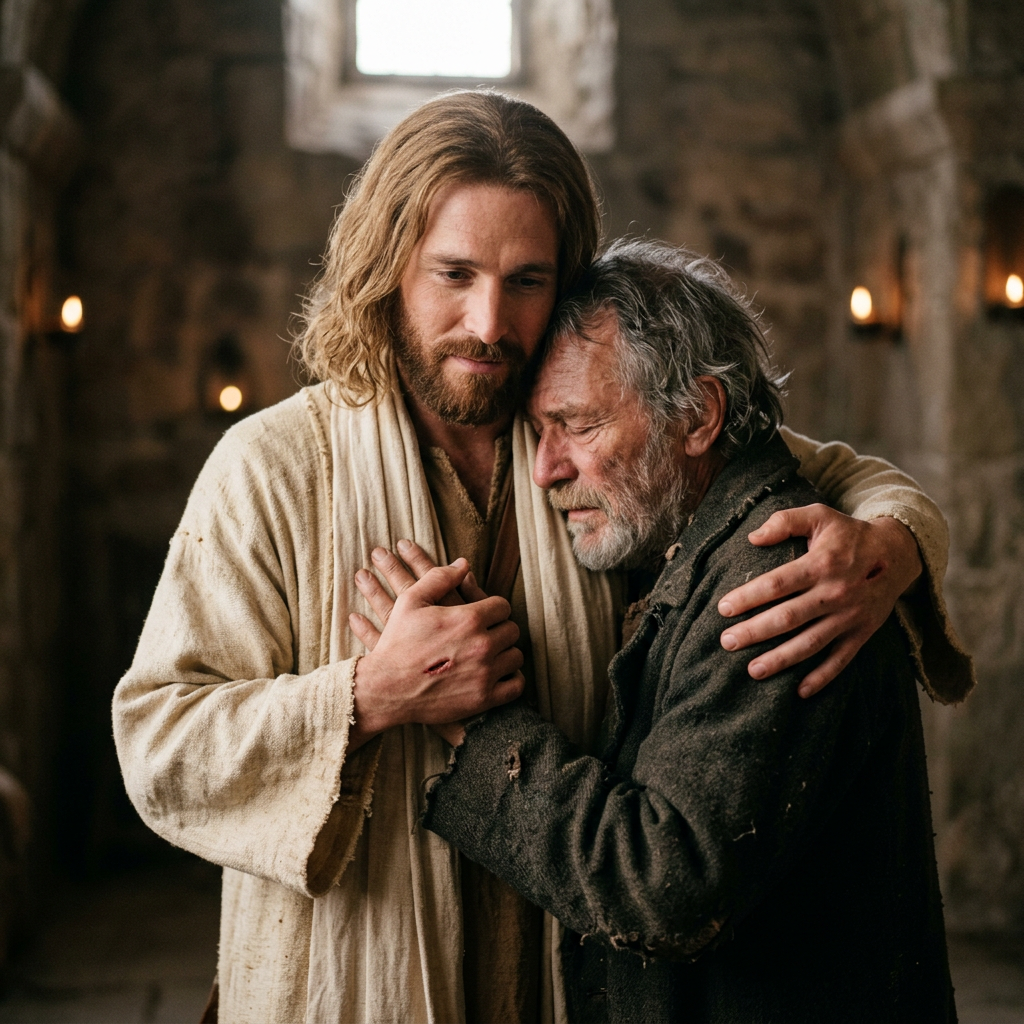
Think about it — even salvation required your consent. God didn’t force you to believe; He invited.
The same principle applies here. He doesn’t coerce obedience; He calls for surrender.
That’s why Paul pleads “by the mercies of God.”
He doesn’t say “by the fear of punishment.”
He says, because of mercy.
When you’ve tasted mercy, surrender becomes logical — “your reasonable service.”
Grace Doesn’t Cancel Responsibility
Grace doesn’t mean passivity.
God’s grace empowers us to do what we could never do without Him — but it doesn’t do it instead of us.
He renews our minds, but we must set our minds on things above.
He gives us His Spirit, but we must walk by that Spirit.
He provides strength, but we must choose to yield.
There’s a partnership between divine enablement and human willingness. Without willingness, even divine power goes unused.
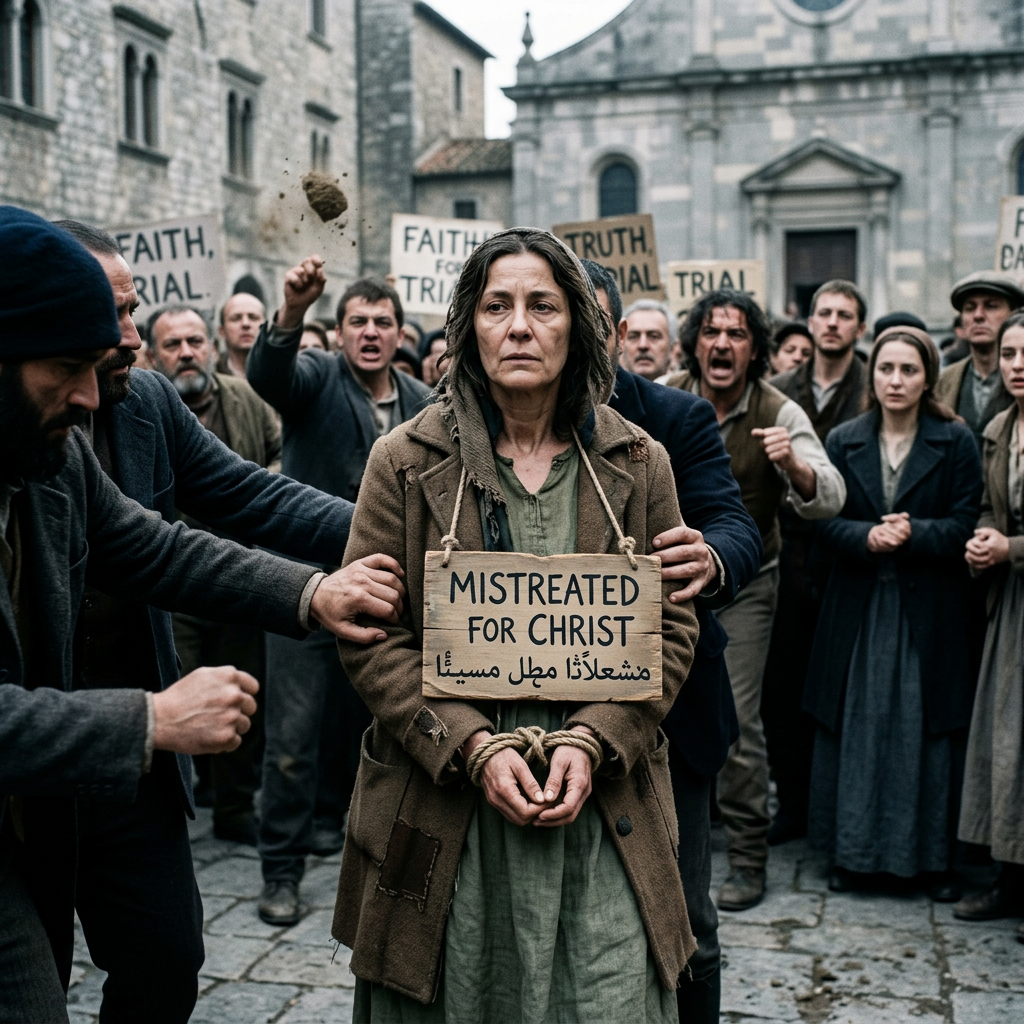
Living Sacrifice, Not Passive Spectator
In the Old Testament, the sacrifice was dead — it couldn’t crawl off the altar.
But we’re living sacrifices, which means every day we can choose:
Will I stay on the altar, or climb off?
It’s a daily, conscious decision to say:
“Lord, this day is Yours. My thoughts, my actions, my body — I offer them to You.”
That’s not striving. That’s worship.
Stop Praying for What You Already Have
Sometimes our prayers sound like this:
“Lord, give me more strength.”
“Lord, make me more surrendered.”
“Lord, help me give up my will.”
But Scripture says:
“His divine power has given us everything we need for life and godliness.” — 2 Peter 1:3
We don’t need God to give what He’s already given; we need faith to act on it.
So maybe the better prayer is:
“Lord, I choose to use what You’ve already given me.”
The True Act of Worship
The world tells us to express ourselves. God tells us to offer ourselves.
He won’t wrestle you into obedience — He’ll invite you into transformation.
That’s what Romans 12:2 is all about:
“Do not be conformed to this world, but be transformed by the renewing of your mind.”
Transformation doesn’t happen by wishful praying but by renewed thinking — by aligning your will with His truth.
Final Thought
Stop asking God to impart what He’s already entrusted.
You don’t need another hand laid on you.
You don’t need another emotional push.
You need a decision — one rooted in love, not fear.
Each day, you have the privilege to say,
“Lord, You’ve done everything for me. Now I willingly give myself to You.”
That’s not striving. That’s surrender.
That’s not legalism. That’s love.
That’s what a living sacrifice looks like.
Continue reading
Related reading:

Leave a Reply