
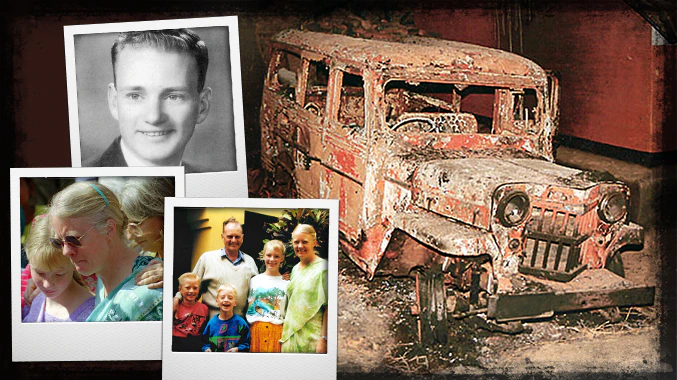
One of the most astonishing and ironic realities in the Christian world is this: people who were once worthy of hell—yet saved by grace alone—sometimes find themselves clamoring for the harshest punishments against others. Calls for the “full extent of the law,” even the death penalty, are not uncommon. But this raises a piercing question: have we forgotten what it means to be saved by grace?
Saved Without Merit
The foundation of our faith is clear: “For by grace you have been saved through faith. And this is not your own doing; it is the gift of God—not a result of works, so that no one may boast” (Ephesians 2:8–9). None of us earned salvation. None of us could. Every believer stands before God only because of mercy.
And yet, how quickly the flesh can take over. Instead of extending the same mercy we received, some are quick to demand the severest forms of justice. This is the mindset of the unforgiving debtor in Matthew 18—a man forgiven an unpayable debt, but unwilling to release his fellow servant of a small one.
When Christians Clamor for Punishment
History and current events both give us examples where Christians, even leaders, have rallied for the harshest penalties. Instead of reflecting the heart of the gospel, these moments reveal how easily the church can slip into the world’s retributive mindset. Whether it is advocating for the death penalty or demanding “justice without mercy,” the tone often mirrors the flesh more than the Spirit.
But the New Testament paints a very different picture. Jesus Himself told us, “Blessed are the merciful, for they shall receive mercy” (Matthew 5:7). James warned that “judgment is without mercy to one who has shown no mercy. Mercy triumphs over judgment” (James 2:13).
A Different Response: The Witness of Grace
In contrast, consider the response of Graham Staines’s widow after he and his two young sons were brutally killed in India in 1999. Instead of calling for vengeance, she forgave the attackers. Her words of forgiveness shook not just the Christian community but the world. She embodied the very grace that saved her—reflecting Christ in a way that no courtroom verdict or punishment ever could.
Her example stands as a powerful rebuke to us all. Forgiveness does not erase the reality of sin or suffering, but it does reveal the transforming power of the gospel. When the world expects retaliation, grace confounds and convicts.

Remembering Who We Are
When Christians call for the harshest punishments, we risk forgetting our own story. We were once enemies of God, deserving of wrath, yet rescued through His mercy. To then turn and demand ultimate judgment on others is to step into the shoes of the unforgiving debtor.
The call of Christ is different: “Be kind to one another, tenderhearted, forgiving one another, as God in Christ forgave you” (Ephesians 4:32).
May we never forget that we stand only by grace. And may that remembrance move us to extend mercy, even when the world calls for retribution.
Continue reading
Related reading:



Leave a Reply