
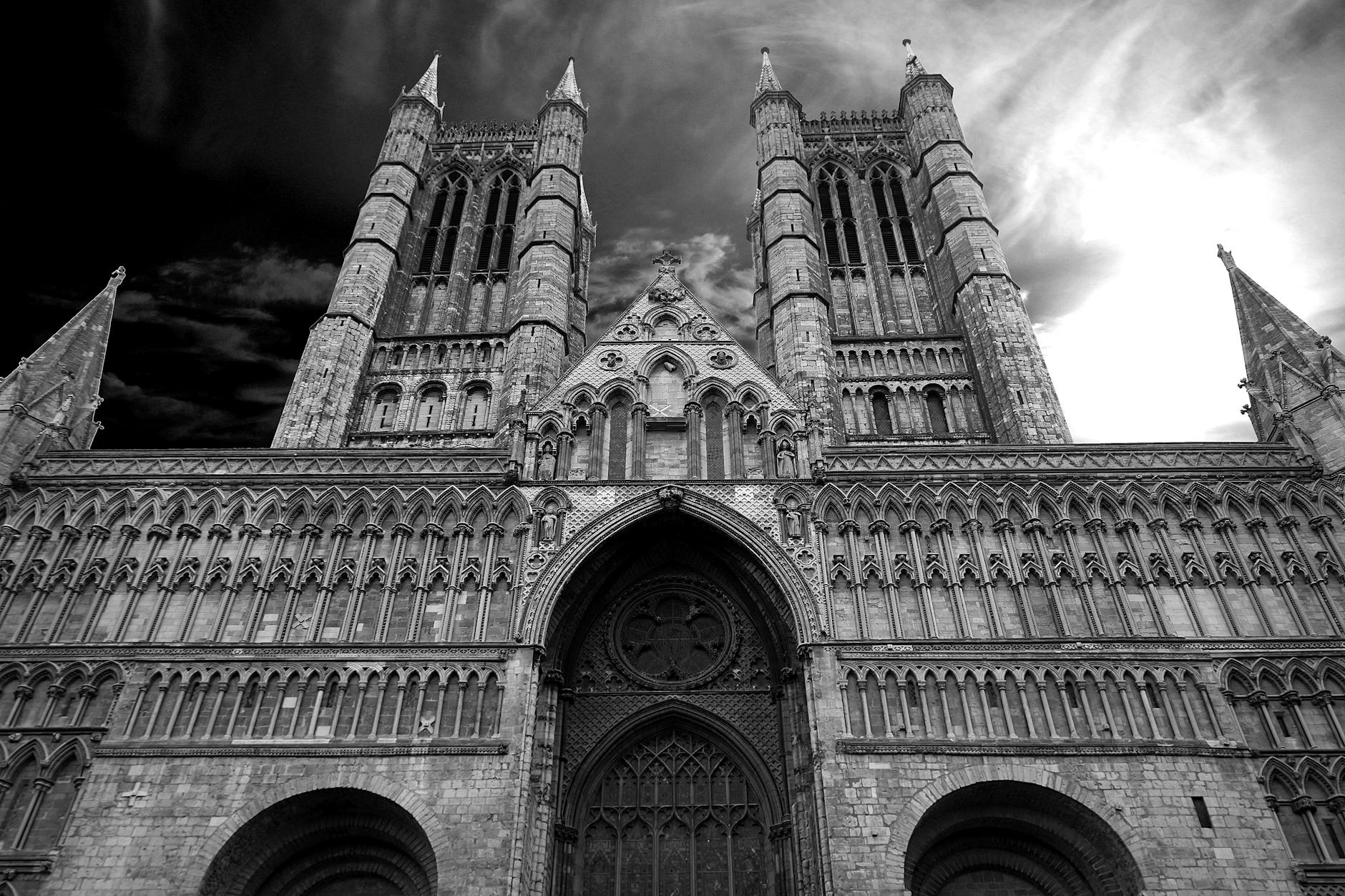
If you’ve spent any time around churches today, you’ve probably heard the familiar invitation: “Come and experience a powerful move of God!” Flyers, livestreams, and posters flood social media with promises of revival meetings that will change everything. Crowds gather, music swells, emotions soar — and for a moment, it feels like heaven has come down.
But then what? A week later, life goes back to normal. The problems remain. The same sins linger. The same struggles continue. And many who came leave no different than before.
Why is that?
1. The Revival Hype Cycle
History shows us that revival meetings can gather huge crowds:
- The Brownsville Revival in the 1990s reported nearly 200,000 conversions.
- The Asbury Revival (2023) drew national headlines and thousands of visitors.
- Evangelistic crusades like Billy Graham’s campaigns reached millions worldwide.
And yet, studies have consistently shown that the majority of “decisions for Christ” at big events often don’t translate into lasting discipleship. One analysis of mass-evangelism meetings found that only a fraction of attendees continued in faith months later. The emotional spark burned brightly — but quickly faded.
Revival hype creates a cycle: big promises, emotional highs, temporary results, and then back to normal.
2. Why Revival Without the Word Fails
Here’s the hard truth: emotions cannot sustain spiritual life. Excitement fades. Feelings change. Crowds disperse.
What does last? The Word of God.
Jesus made it clear in the parable of the sower (Matthew 13). Some seeds spring up quickly with joy but have no root — when trials come, they wither. Others are choked by the cares of life. Only the seed planted deep in good soil — the Word received, understood, and lived — bears lasting fruit.
Revival without teaching is like planting seeds in shallow soil. There may be quick growth, but no endurance.
3. The Early Church’s Example
When we turn to Acts, we notice something important: the “revivals” we read about — Pentecost (Acts 2), Samaria (Acts 8), Antioch (Acts 11) — were always grounded in the teaching of the Word.
- After Pentecost, the new believers “devoted themselves to the apostles’ teaching and to fellowship, to the breaking of bread and to prayer” (Acts 2:42).
- In Acts 11, the revival in Antioch lasted because Paul and Barnabas stayed to teach for a full year (Acts 11:26).
- Paul didn’t just stir crowds; he taught daily for years in places like Ephesus (Acts 19:9–10).
In other words, revival fire burned long only because it was continually fed by the Word of God.
4. The Difference Between Emotion and Transformation
- Revival hype produces emotion.
- The Word produces transformation.
Revival meetings often focus on spectacle: lights, music, declarations of “God is moving.” But Scripture tells us true transformation comes through renewing of the mind (Romans 12:2), not through a temporary emotional wave.
Faith comes by hearing, and hearing by the Word of God (Romans 10:17). Lives change when people are taught, corrected, rebuked, and trained in righteousness by the Scriptures (2 Timothy 3:16–17).
5. What Real Change Requires
If we want to see true transformation in our lives, families, and churches, it won’t come through hype-driven revival events. It will come through:
- Teaching the Word of God faithfully — deep, contextual, Christ-centered preaching and study.
- Discipleship — walking with believers day by day, helping them apply truth.
- Prayer — not just for feelings, but for boldness, endurance, and holiness.
- Obedience — living out the Word in daily life, not just hearing it once in a revival tent.
The early church’s “problems” were gospel problems: persecution, boldness, unity, mission. Our problems today often reveal how entangled we are with worldly concerns — jobs, money, visas, houses, promotions. Our prayers expose what we care about most.
6. A Better Way Forward
It’s time we stopped chasing “moves of God” that flare and fade. The Spirit of God doesn’t need a hype campaign. He works through the Word of God, faithfully preached and faithfully lived.
Yes, God can use revival meetings to awaken people. But lasting revival — the kind that changes hearts, families, and cultures — only comes when people are taught, rooted, and grounded in Scripture.
As Isaiah reminds us: “The grass withers, the flower fades, but the word of our God will stand forever” (Isaiah 40:8).
7. Revival Hype vs. Word-Based Transformation
| Revival Hype | Word-Based Transformation |
|---|---|
| Relies on emotions and atmosphere | Relies on Scripture and the Spirit’s work through truth |
| Produces crowds and temporary excitement | Produces disciples and lasting change |
| Flares up quickly, fades quickly | Grows slowly, endures deeply |
| Often centers on personalities or events | Always centers on Christ and His Word |
| Promises quick fixes | Calls for lifelong discipleship |
| Leaves people entertained but often unchanged | Leaves people convicted, equipped, and transformed |
✝️ Conclusion:
Revival meetings may come and go, but only the Word of God transforms permanently. If we want to see lives changed, it won’t be through emotional hype but through faithful teaching of Scripture. Revival fire needs more than a spark — it needs the fuel of God’s Word to keep burning.
Continue reading
Related reading:

Leave a Reply