

We live in what’s often called the attention economy. In today’s world, visibility equals value. The more followers you have, the more videos you post, the more headlines you capture—the more people believe you matter. If you’re not visible on social media, society assumes you’re irrelevant.
I once spoke to a well-known worship leader from South India who admitted that the trick to staying relevant was simple: “Keep posting videos. Keep showing up online. Or people will forget you.”
That’s the reality of our world. Attention is currency. Leaders—even presidents—have risen to power not because of humility or empathy, but because of showmanship and brash visibility. See me. Hear me. Follow me. That’s the anthem of our culture.
But what happens when we turn our eyes back to God, back to the Trinity? We discover something radically different: divine shyness.
I was reading this great book Everyone’s normal till you get to know them by John Ortberg, and it opened my eyes to some truths about the Trinity.
The Shyness of the Spirit
Theologian Frederick Bruner describes the Holy Spirit’s character as a kind of “shyness.” Not the timid shyness we associate with fear, but the holy deference of other-centeredness.
In John’s Gospel, the Spirit never draws attention to Himself. Instead, His role is to point to Jesus:
“He will testify about Me… He will glorify Me.” (John 15:26, 16:14)
It’s as if the Spirit is constantly saying: “Look at Him. Listen to Him. Follow Him. Love Him.”
This stands in stark contrast to the ministries that thrive on showmanship—where leaders loudly proclaim, “Don’t mess with me. I am powerful.” But Scripture shows us that the Spirit doesn’t boast. He points to Christ. Always.
The Shyness of the Son
And what about Jesus? The Son Himself never sought self-glory. He said plainly:
“If I glorify Myself, My glory means nothing.” (John 8:54)
Jesus submitted to the Spirit, who drove Him into the wilderness. He submitted to the Father, praying, “Not My will, but Yours be done.” He came not to be served, but to serve.
Even in His miracles and teachings, His refrain was consistent: “I do nothing on My own but speak just what the Father has taught Me.”
The Son, too, was marked by this holy “shyness”—an other-centeredness that defers glory upward.
The Shyness of the Father
Then comes the Father’s voice, heard only twice in the Synoptic Gospels—once at Jesus’ baptism and again at His transfiguration. Each time, the message is the same:
“This is My beloved Son… listen to Him.”
Notice what’s missing: “And don’t forget to listen to Me too.” No insecurity. No competition for glory.
God is not glory-hungry. He’s not grasping for recognition like a dictator insecure in his power. Instead, the Father points us to the Son.
The Trinity: A Community of Humble Love
Dallas Willard once described the Trinity as “a self-sufficing community of unspeakably magnificent personal beings of boundless love, knowledge, and power.”
Each person of the Trinity delights in deferring to the other. The Spirit says, “Look at the Son.” The Son says, “I glorify the Father.” The Father says, “This is My beloved Son—listen to Him.”
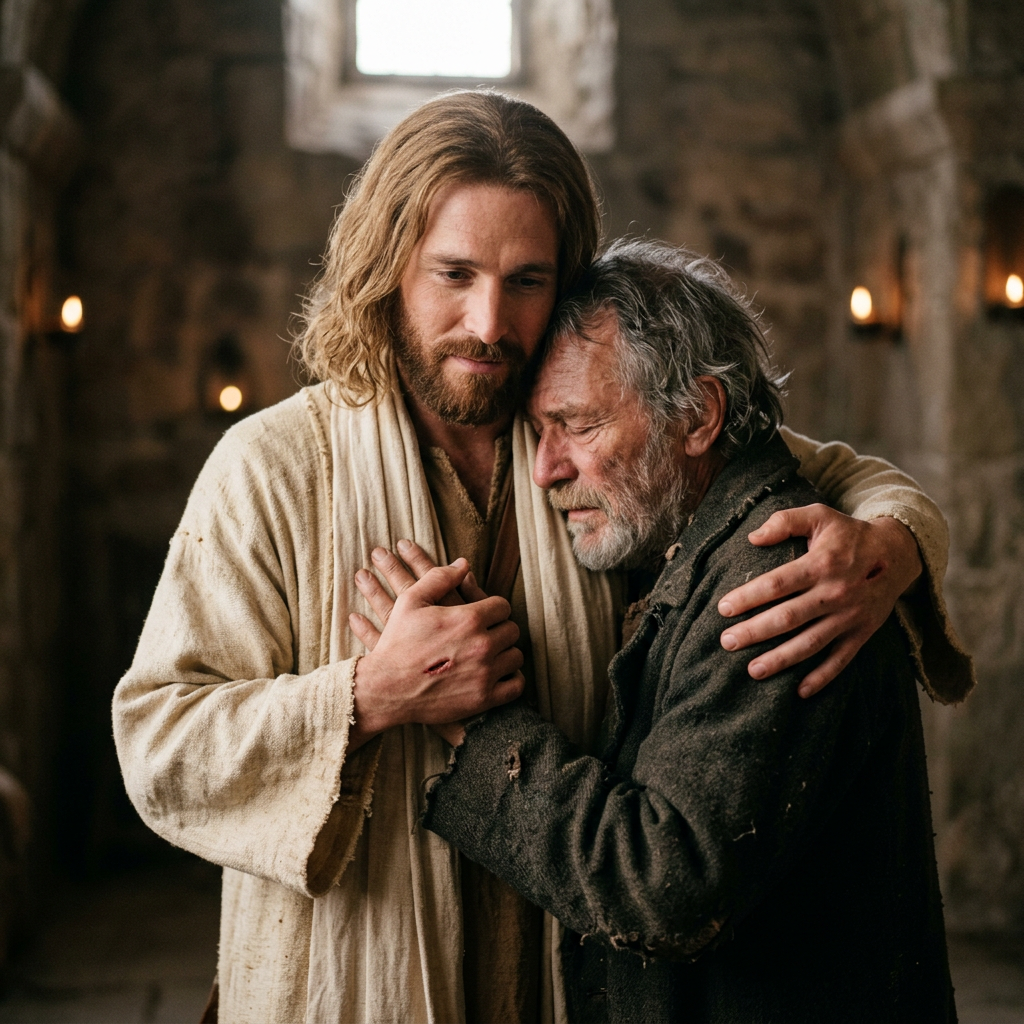
What emerges is not a picture of arrogance, but of humility. Not a display of self-promotion, but of mutual submission, servanthood, and love.
Why This Matters in an Attention Economy
In a world obsessed with visibility, God shows us another way. True greatness isn’t found in saying “Look at me” but in saying “Look at Him.”
Our ministries, our posts, even our daily lives should reflect this divine pattern of deflecting attention from ourselves to Christ. Because at the end of the day, it’s not about being remembered by the world—it’s about making Him known.
Continue reading
Related reading:


Leave a Reply