

1. Why This Question Matters
Many Christians assume the idea that “suffering matures us” is a biblical truth. It sounds spiritual, and it’s repeated so often that it feels unquestionable. Yet when we search Scripture, we do not find a single verse teaching that God authors valleys for maturity. Instead, what we discover is that this belief has strong philosophical roots outside the Bible — especially in Plato and later thinkers influenced by him.
2. Plato’s Philosophy of Suffering
For Plato (427–347 BC), the material world was defective, a shadowy copy of a higher, eternal realm of perfect forms. He argued that the soul was imprisoned in the body, weighed down by physical pleasures and pains. Only by detaching from the material world — often through hardship, discipline, and suffering — could the soul ascend toward true wisdom.
In Phaedo, Plato wrote:
“A soul which is purified of bodily things… will make its way to the divine when the body dies.”
For Plato, pain and loss purified the soul, loosening its ties to flesh and pushing it toward the eternal. This dualism (body = hindrance, soul = pure) became foundational for Greco-Roman thought.
3. Stoicism and the Glorification of Hardship
Later Greek and Roman philosophy reinforced this idea:
- Stoics like Epictetus and Seneca argued that hardship was necessary for moral strength. Seneca wrote, “Fire tests gold, misfortune tests brave men.”
- Suffering, in this worldview, wasn’t accidental — it was the very forge that refined character.
This way of thinking seeped into early Christianity, especially as many church fathers were educated in philosophy schools steeped in Plato and Stoicism.
4. Origen and Augustine: Plato in Christian Dress
- Origen (3rd century), a student of Middle Platonism, described God as a physician who gives “bitter medicine” (suffering) for the soul’s cure. While he believed in God’s goodness, his categories were shaped by Platonic thought more than biblical witness.
- Augustine (354–430) was deeply influenced by Neoplatonism before his conversion. Even after embracing Christ, he still described suffering as God’s medicine for pride:“Suffering is a strong but necessary medicine for pride, and the servant of God must drink it.” (Sermon 46)
Augustine’s blending of Scripture with Platonic categories had massive influence on the medieval church.
5. The Medieval Growth of the Doctrine
By the Middle Ages, monastic movements embraced suffering and deprivation as holy disciplines. Poverty, fasting, silence, and even physical self-punishment were seen as paths to holiness. The assumption was the same as Plato’s: pain purifies.
This is how the Doctrine of Redemptive Suffering became mainstream in the church — not because of Scripture, but because of philosophy baptized into theology.
6. The Biblical Contrast
The Bible never presents suffering as inherently sanctifying. Instead:
- Jesus healed the sick (Matthew 8:16–17).
- He cast out demons (Mark 1:34).
- He fed the hungry (John 6:11–13).
- The apostles did the same (Acts 5:16).
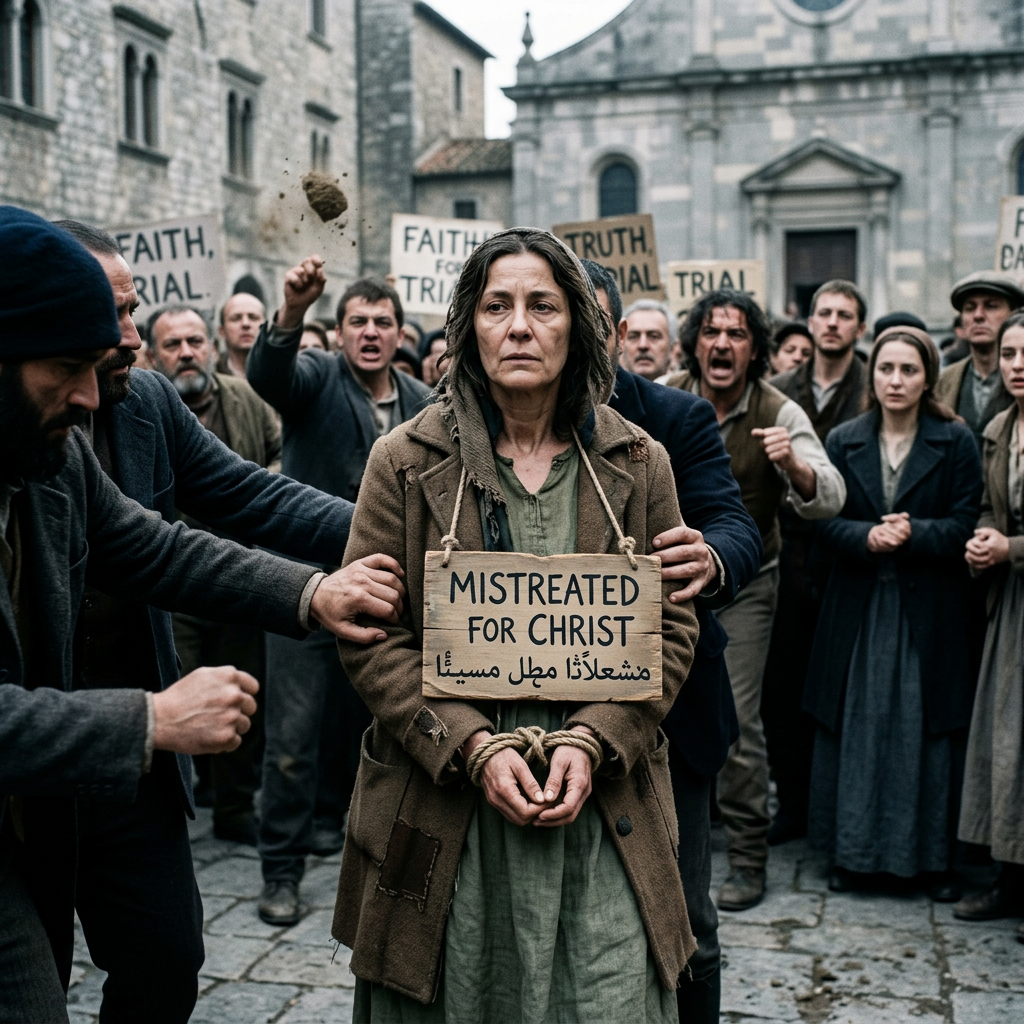
The only suffering described as inevitable and redemptive is persecution for the gospel — because we cannot dominate or drive away human free will. But Jesus never treated sickness, famine, or disaster as God’s refining tools. Those are results of the Fall, not part of God’s growth plan.
7. Why This Matters Today
The Doctrine of Redemptive Suffering teaches Christians to accept things God called us to resist. Instead of rebuking sickness, some endure it as God’s lesson. Instead of seeing demonic oppression as something Christ conquered, it is seen as God’s “training.”
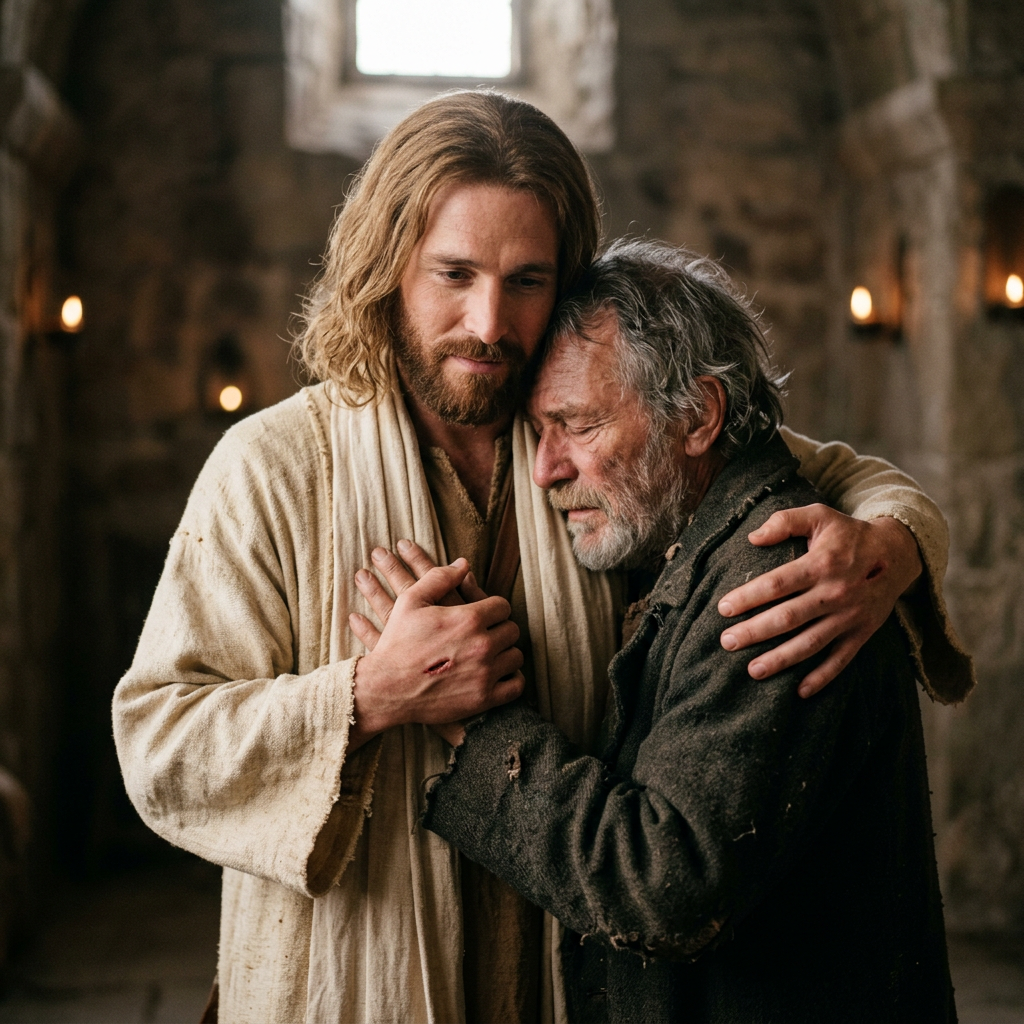
But biblically, valleys are redeemed by God — not authored by Him. He walks with us in them, yes. He uses them, yes. But they are not His design.
8. Closing Hope
Psalm 84:6–7 says those passing through the Valley of Baca (the valley of weeping) make it a place of springs. In Christ, valleys lose their power. They may exist in a fallen world, but they are not permanent, and they are not God’s chosen tool.
The cross — not suffering itself — is the believer’s pathway to maturity.
Conclusion
The Doctrine of Redemptive Suffering is not found in Scripture. Its roots lie in Platonic philosophy and Stoic thought, later absorbed into Origen, Augustine, and medieval monasticism.
The Bible, by contrast, shows that:
- Suffering comes from sin, Satan, and a broken world.
- Persecution is endured, but sickness and oppression are resisted.
- God redeems valleys but does not author them.
The Christian’s growth was never designed to come through pain, but through union with Christ, the Spirit’s work, and God’s Word.
Continue reading
Related reading:

Leave a Reply