
For most of my life, I thought being a good Christian meant asking God for forgiveness every time I messed up.
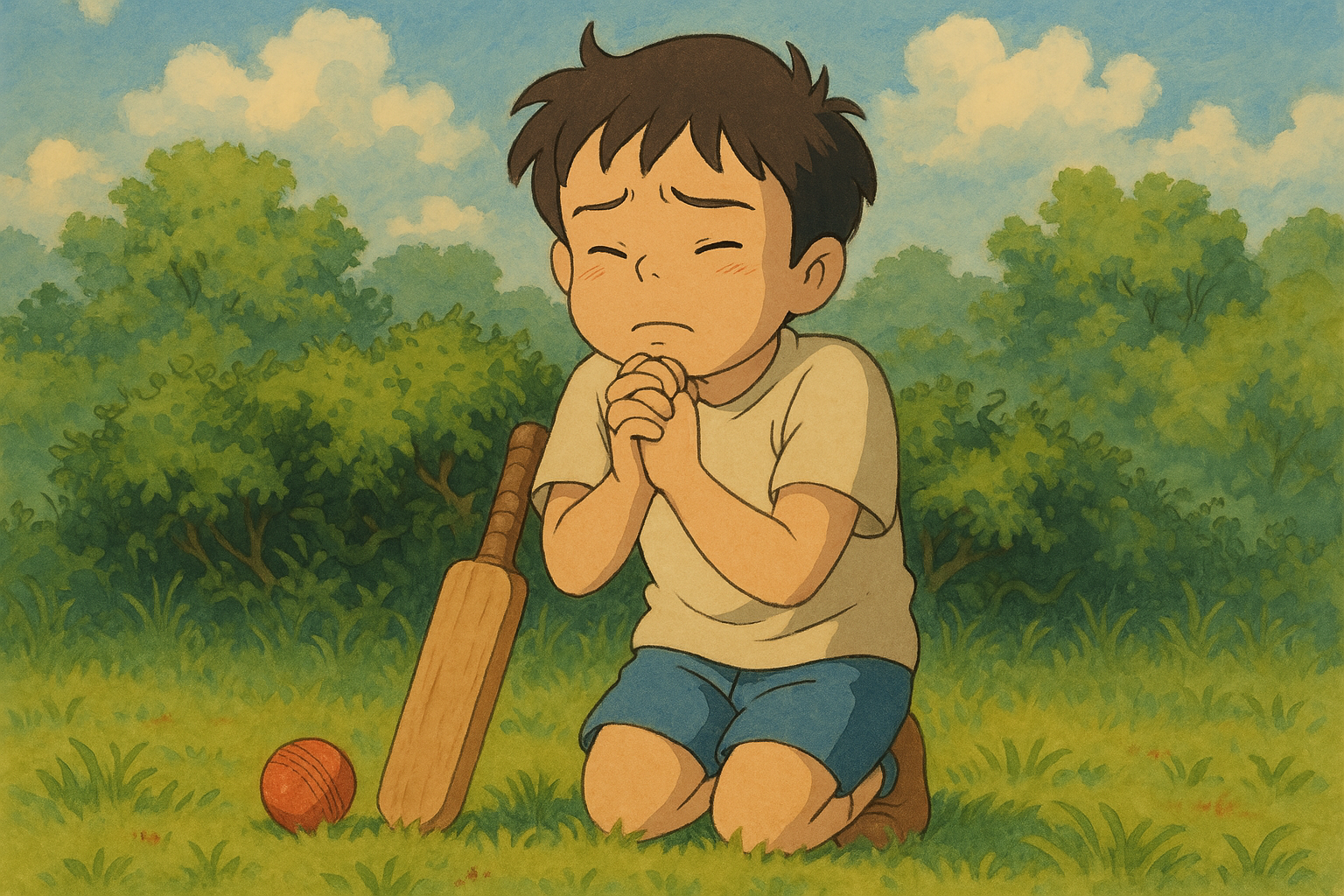
I still remember being a kid, playing cricket with my friends. Sometimes the ball would land in thick bushes that everyone said were full of snakes. As I walked toward them, I’d start praying under my breath:
“Please forgive me, Lord. Please forgive me.”
Not because I had done something specific—but because I was scared. I remember thinking, If I get bitten and die, I don’t want to go to hell with unconfessed sins.
That fear shaped how I understood God for years.
Then I Actually Read What the Bible Says
At some point, I started digging deeper into Scripture—really reading it, not just assuming what it said.
And honestly, it flipped my understanding upside down.
Here’s what I realized:
I have been forgiven once and for all.
I don’t have to keep asking God to forgive me.
That realization didn’t make me careless about sin.
It made me finally rest.
Repentance and Forgiveness Are Not the Same Thing
This distinction matters.
Do we need to repent often?
Yes—absolutely.
Repentance means changing your mind and direction. It’s turning away from anything that doesn’t align with our identity in Christ.
It’s not about “God, please I wont sin again”, but rather it’s about “Hey, I am not walking as who I am. Let me change my direction of life.
But asking God to forgive us over and over again is something else entirely. Repentance should be anchored on our identity in Christ, but when we keep asking for forgiveness, we are assuming that he hasn’t. But he has! Every past present and future sin.
And that’s when a question started to hit me:
Why am I asking God for something He already gave me?
Forgiveness Is Not Something We Chase
Scripture is clear:
“In Him we have redemption through His blood, the forgiveness of sins.”— Ephesians 1:7
“In whom we have forgiveness of sins.”— Colossians 1:14
Notice the tense.
Not will have.
Not might have.
Have.
Forgiveness is not a future reward.
It’s a present possession.
We don’t wake up every morning begging God to redeem us again. We know redemption was settled at the cross. So why do we treat forgiveness like it’s handed out in installments based on our performance?
The Cross Didn’t Deal with Sin Partially
At the cross, Jesus didn’t cover:
- Only your past sins
- Or just the sins up to your conversion
- Or the sins you remembered to confess
He dealt with sin itself—past, present, and future.
“By one sacrifice He has made perfect forever those who are being sanctified.”— Hebrews 10:14
That means we’re not:
- “Mostly forgiven”
- “Almost clean”
- “Back on probation until the next mistake”
If you’re in Christ, you are fully forgiven.
So Does Sin Still Matter?
Yes. Very much. Sin is stupid. It is not us.
Sin still harms us.
It still affects others.
It still disrupts our fellowship and growth.
That’s why repentance matters.
That’s why honesty matters.
James tells us to confess our sins to one another—not so God will forgive us again, but so we can find healing, prayer, and support within the body of Christ.
Confession is about:
- Healing, not approval
- Growth, not fear
- Community, not condemnation
Live From Forgiveness, Not Toward It
So yes:
- Be honest about your struggles
- Talk to trusted believers
- Ask for prayer
- Grow in grace
But don’t live like you’re waiting for God to forgive you again.
If you’re in Christ, you’re already forgiven.
Not because you apologized well enough.
Not because you caught every sin in time.
But because Jesus finished the work.
And learning to live from that truth—rather than striving toward it—changes everything.
Continue reading
Related reading:


Leave a Reply