
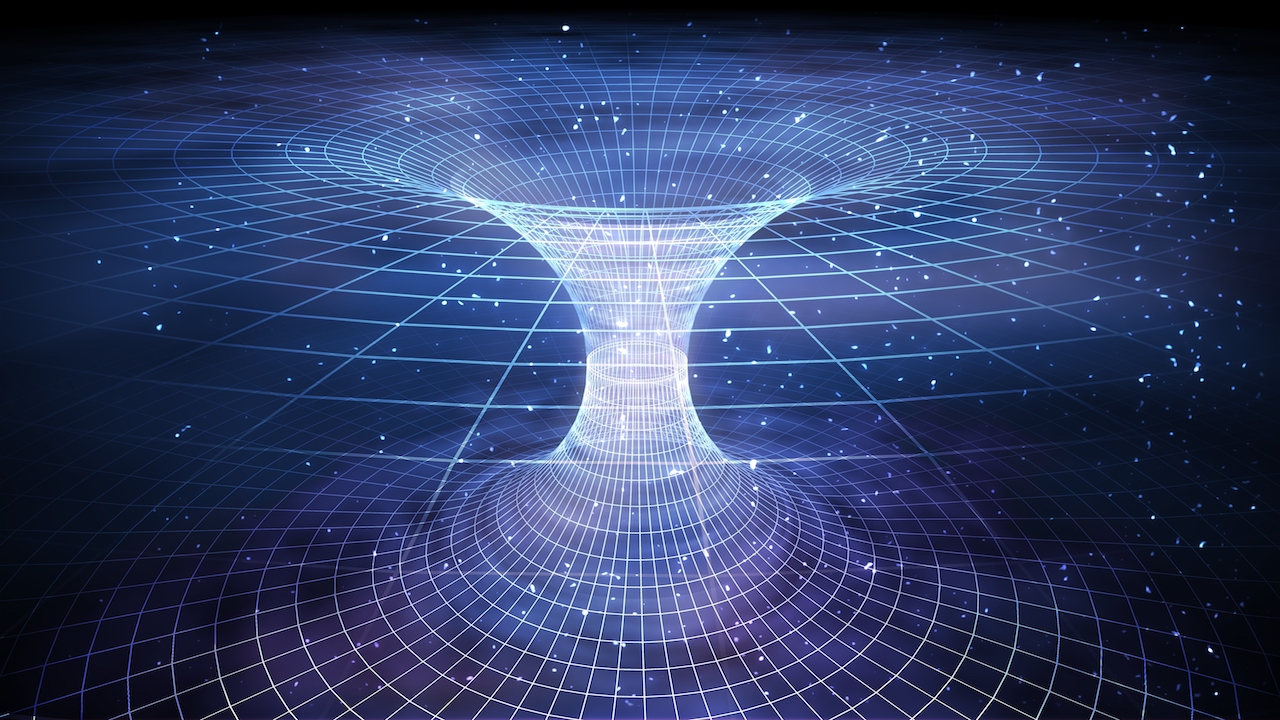
Reconciling Classical Theism and Open Theism
One of the biggest debates in Christian theology is about God’s relationship to time.
- Classical theism insists that God is timeless: He exists outside of time, sees all of history in one eternal “now,” and never changes.
- Open theism insists that God is temporal: He genuinely interacts with creation in real time, responds to human choices, and experiences the unfolding of history with us.
Both perspectives are trying to defend God’s greatness — but they pull in very different directions. What if the truth is not an either/or but a both/and?
The “Snap” into Time
Before creation, God existed in a purely timeless mode: Father, Son, and Spirit in eternal love. Nothing else existed — no universe, no angels, no time, no space.
At the moment of creation, God “snapped” into a new mode of being. He chose to relate to His creation within time.
- In His timeless aspect: God holds the entire “film reel” of creation — beginning to end — before His eternal gaze.
- In His temporal aspect: God walks with us through history, genuinely responding, grieving, rejoicing, regretting, and celebrating as real events unfold.
This is not two gods, but one God with two ways of relating.
Did God Gain New Knowledge?
This is the tough question. If God is timeless, doesn’t He already know everything? And if He is temporal, doesn’t He experience newness as time unfolds?
The answer depends on perspective:
- Timeless God: No, He doesn’t gain knowledge. From His eternal vantage point, the whole story is already “present” to Him.
- Temporal God: Yes, He genuinely interacts and responds in real time. When He says, “Now I know that you fear God” (Gen 22:12), that’s not play-acting — it’s real interaction.
Think of it like the incarnation:
- As God, Jesus was omniscient.
- As man, Jesus grew in wisdom (Luke 2:52).
Not two persons, but two natures. Likewise, God can be timeless in essence and temporal in relation.
Why This Matters
- It preserves Scripture’s integrity
- “The Lamb was slain from the foundation of the world” (Rev 13:8).
- “He was foreordained before the foundation of the world” (1 Pet 1:20).
- “Now I know…” (Gen 22:12).
These texts make sense if God is both timeless (eternal plan) and temporal (real interaction).
- It avoids determinism
If timeless knowledge meant fixed determinism, God would be the author of evil. But in this model, His eternal plan centers on Christ, while His temporal interaction preserves human freedom. - It highlights God’s love
God didn’t create a mechanical universe. He stepped into our timeline — in creation, in covenant, and ultimately in Christ — to walk with us.
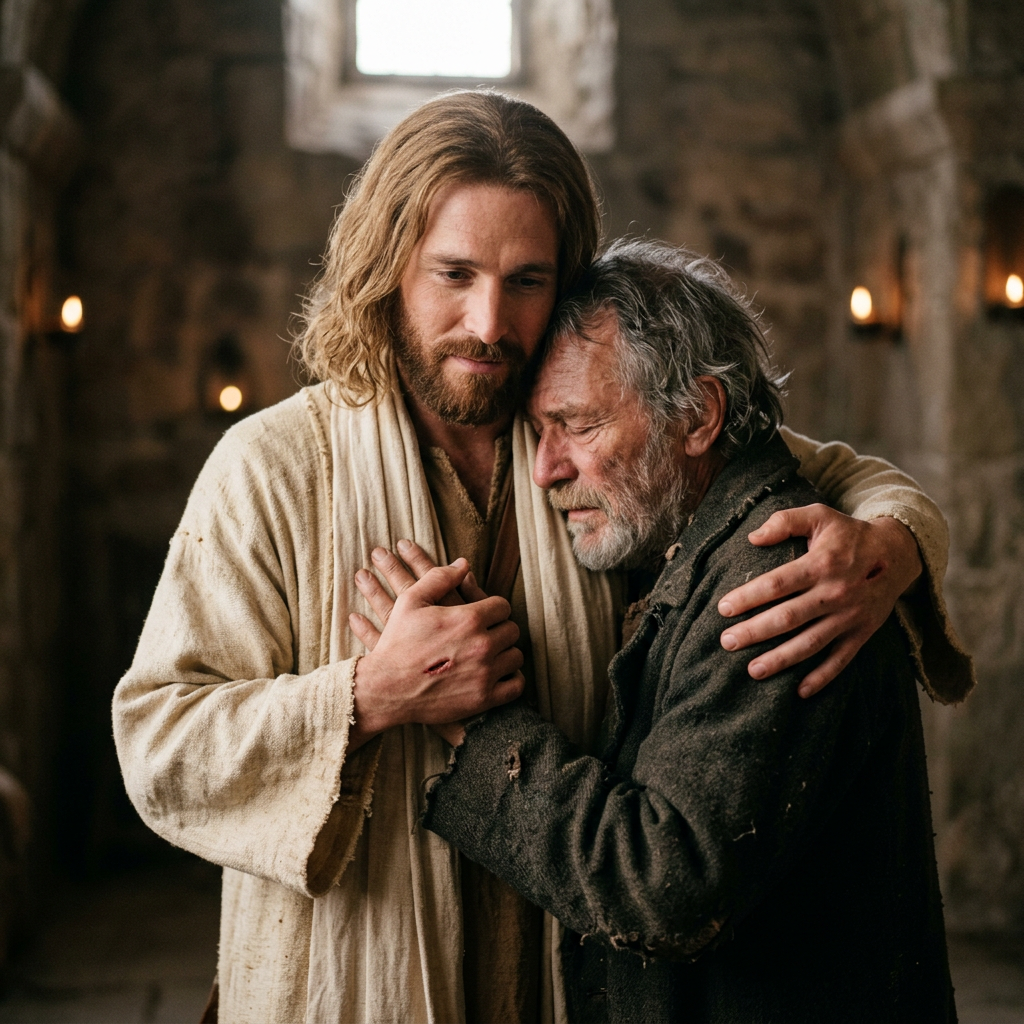
The Analogy with Jesus
When Jesus was a baby in Mary’s arms, the second person of the Trinity did not “cease” to be God. He was simultaneously:
- Eternal Word, upholding the universe (Col 1:17).
- Weak infant, learning and growing in wisdom (Luke 2:52).
In the same way, God can be:
- Eternal, timeless, all-encompassing.
- Temporal, relational, responsive.
The incarnation shows us that God can hold together realities we find impossible to reconcile.
Open Theism in the Temporal Mode
This model also explains why open theism “works.” In God’s temporal mode of interaction, the future really is open:
- He responds to prayer.
- He changes His mind (Exod 32:14).
- He grieves and rejoices over real choices.
Open theism is not wrong — it’s describing how God engages us within time. But classical theism also isn’t entirely wrong — it describes God’s eternal, timeless reality.
Conclusion
Is God timeless or temporal? The answer may be: both.
- Timeless in His eternal essence.
- Temporal in His covenantal relationships.
Just as Jesus was both fully God and fully man, God can be both outside of time and inside of time. The “snap” of creation brought God into temporal relation with us, while never diminishing His eternal, timeless glory.
This model honors the God who plans from eternity and the God who walks with us in history. And most importantly, it shows that His sovereignty is not a cold determinism but a loving presence — eternal and yet near.
Continue reading
Related reading:


Leave a Reply