

In Love in action, we discussed Love is more than an innate feeling or an abstract concept—it will be manifested, into an action, and this is a fundamental characteristic of God Himself. In 1 John 4:7-11, John appeals to believers:
Beloved, let us love one another, for love is from God; and everyone who loves is born of God and knows God. The one who does not love does not know God, for God is love. By this the love of God was manifested in us, that God has sent His only begotten Son into the world so that we might live through Him. In this is love, not that we loved God, but that He loved us and sent His Son to be the propitiation for our sins. Beloved, if God so loved us, we also ought to love one another.
Understanding the Nature of Agape Love
The love mentioned here is agape love—a selfless, sacrificial love that originates from God. Agape love is distinct from the world’s concept of love, which often revolves around emotions, transactions, or reciprocity. True love is not based on what we receive but on the deep, self-giving nature of God’s love.
It is a divine kind of love—a love that does not depend on emotions, circumstances, or personal benefit. Paul illustrates this in Philippians 1:8, where he speaks of longing for others “in the bowels of Jesus Christ.” This imagery signifies a love so deep that it comes from the very core of one’s being. It is not a mere reflection of what others show toward us but rather a love that overflows from within, independent of external influences. Agape love is selfless and boundless, seeking the good of others regardless of their worthiness, and the only source of it is God. That is why he says with such certainty The one who does not love does not know God.
If it is natural for us to love, why is John urging?
Love is the natural fruit of those who abide in Christ. John 15:4 states that apart from Jesus, we cannot bear fruit, and love is our first fruit in Gal 5. Just as a branch cannot bear fruit unless it remains attached to the vine, we cannot truly love apart from Him. He is our source. Also, everyone who has Christ will have the innate love of Christ within.
If love is so natural to those who are in Christ, why does John have to urge us to love? The answer lies in our focus. If we set our minds on the flesh, we may live selfishly, neglecting the love that flows from the Spirit. John reminds us to manifest that love outwardly—not merely as a concept, but as an active expression.
Manifesting the Love Within Us
John gives us the greatest example of love: God’s manifestation of love through Jesus Christ.
“God sent His Son into the world so that we might live through Him” (1 John 4:9).
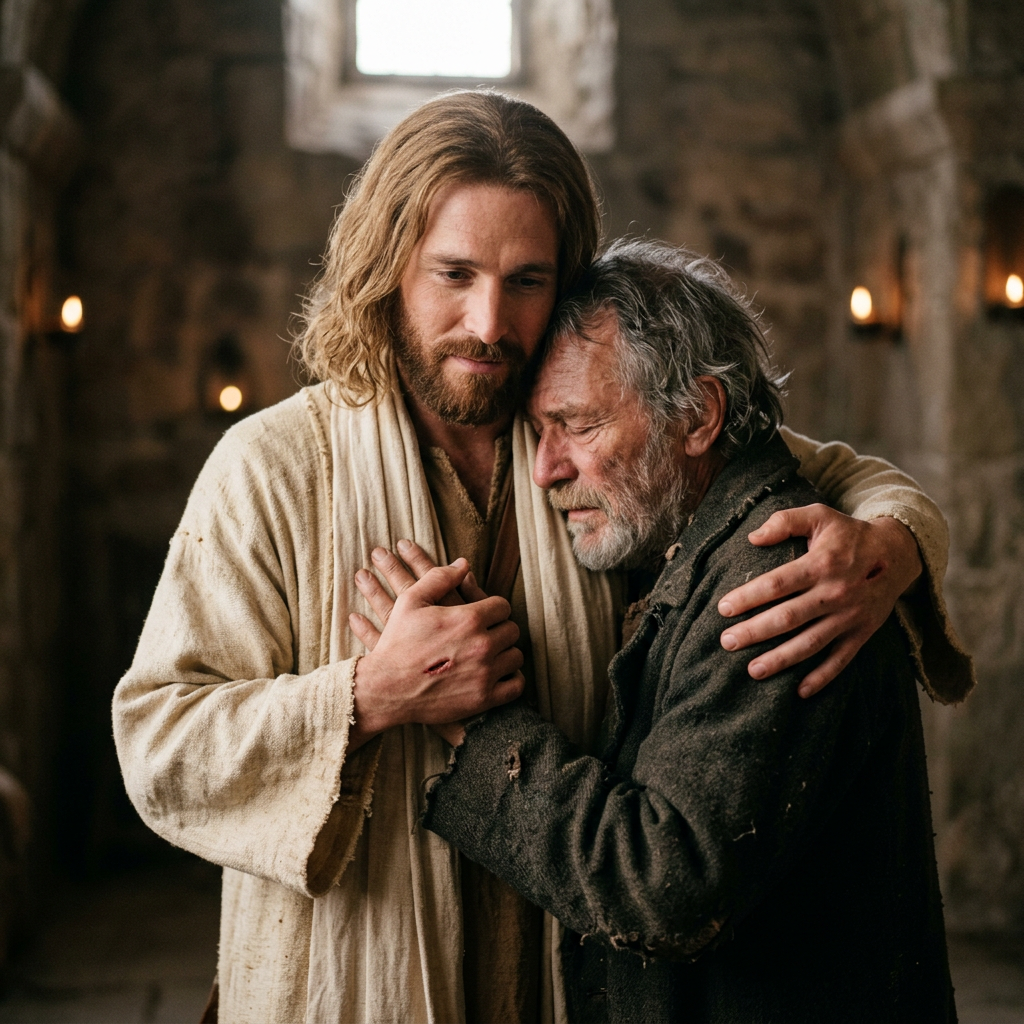
God did not merely feel love for us; He acted on it. Despite humanity’s rebellion, God did not abandon us. While we were still sinners, enemies of God, He humbled Himself and entered the world through Jesus Christ to redeem us.
- Did God have to do anything for us? No.
- Did we deserve His love? Absolutely not.
- But He loved us anyway.
Our sinful state left us in a downward spiral of destruction, but God intervened at the cost of His own Son. He bore the pain for us, won the victory, and blessed us through Christ. This is the model of love we are called to follow. We are to uplift the lives of people we meet sacrificially by loving them.
Manifesting Love in Our Lives
If we are to love as God loves, our love must be active and sacrificial. John earlier wrote, “Let us not love with words or tongue, but with actions and in truth” (1 John 3:18).
- Reach out to those in need. Love is not about convenience; it is about sacrifice.
- Give without expecting in return. Even when someone does not deserve it, love them anyway.
- Take leadership in love. Do not wait for others to love first—initiate love, just as God did for us.
Let us love—not just in theory, but in the way we live, give, and serve others. For God is love, and those who abide in Him must manifest His love to the world.
Continue reading
Previous in the 1 John series: When A Believer Speaks
Next in the 1 John series: You Didn’t Love First
Related reading:


Leave a Reply