

Let’s be honest—most of us flinch a little when we read, “the wrath of God is revealed from heaven…” It just sounds harsh, doesn’t it? Maybe it brings to mind angry gods tossing thunderbolts, or some preacher yelling about fire and brimstone. But what if the Bible is talking about something completely different—and far deeper—when it uses the word “wrath”?
“For the wrath of God is revealed from heaven against all ungodliness and unrighteousness of men, who by their unrighteousness suppress the truth.”
Rom 1:18
So, what is “the wrath of God”?
If you dig into the original Greek, the word for “wrath” in Romans 1:18 is orgē, which comes from a root that means “to swell up,” or “to be full to bursting.” But don’t picture someone blowing their stack in a rage. Orgē is not a wild outburst—it’s more like a settled, steady, just opposition to evil. It’s the slow but sure resistance of God to everything that corrupts, destroys, and dehumanizes. If “righteousness” is God’s unbreakable commitment to set things right, then “wrath” is how God deals with what’s wrong.
Paul says this wrath “is being revealed”—the Greek here (apokalyptetai) literally means “unveiled” or “made plain.” If the righteousness of God, or the justice of God is revealed in the gospel, so is the wrath of God, and it is part of the justice of God.
Ungodliness, Unrighteousness, and the Truth Smothered
So, God’s wrath is against two things- ungodliness and unrighteousness. (asebeia (ungodliness) and adikia(unrighteousness)). Ungodliness is about ignoring or disrespecting God—living as if He doesn’t matter. Unrighteousness is about injustice—wrongdoing, violating what’s right, treating people unfairly. These aren’t two totally separate categories. At the core, both are about a lack of reverence—one toward God, the other toward the good ways He’s set up for people to live.
And then Paul drops this line: these folks “suppress the truth by their unrighteousness.” The Greek here for “suppress” (katechontōn) means to hold down, restrain, or smother—think of someone trying to keep a beach ball underwater. It’s not passive ignorance; it’s active cover-up. Deep down, people know what’s true about God and about justice, but there’s a willful effort to keep it buried.
The Gospel is Justice!
Don’t miss the little word “For” at the start of Romans 1:18. Paul’s logic goes like this: if the gospel is God’s power to save (as he just said in verses 16-17), and execute justice through His righteousness, it by nature includes opposition to evil, as the wrath of God is part of the justice of God.
A Wrath That Is Actually Just
Think of this. God is just and righteousness, and in love, through Christ, He offered humanity to be In Him, and His righteousness, because the moment, they sinned at the garden of Eden, they were condemned already (John 3:18). He offered an off-ramp and said “take it”, but humans rather decided to ignore it and walk in their godless ways! Imagine the pain of the creator, when he sees the wrath of God being revealed on them.
The Bottom Line
Romans 1:18 isn’t about God looking for excuses to zap people. It’s about God’s unwavering commitment to justice—His measured, just opposition to everything that destroys, corrupts, or hides the truth. And if that feels uncomfortable, that’s actually the point: Paul wants us to see the bad news clearly, so we’re ready to hear the good news in all its glory.
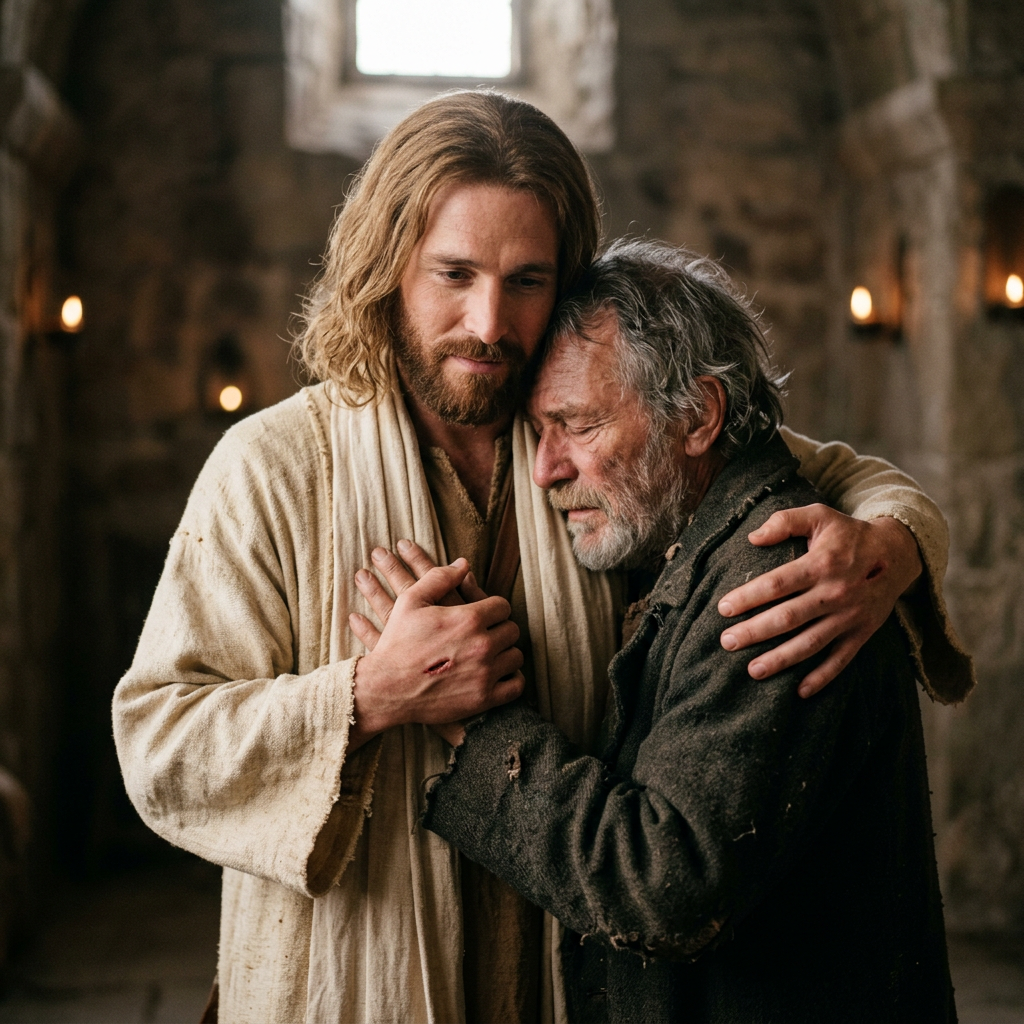
So next time you see the phrase “the wrath of God,” maybe don’t picture a cosmic meltdown. Instead, think of a loving Creator who is utterly unwilling to let evil have the last word—and who, in Jesus, has gone to unimaginable lengths to rescue us from our own truth-smothering, self-destructive ways.
Continue reading
Previous in the Romans series: Right With God
Next in the Romans series: The Wrath of God
Related reading:


Leave a Reply